Choosing between a dedicated carpet vacuum and a lightweight stick vacuum is one of those decisions that seems simple until you actually stand in the aisle comparing spec sheets. Both promise clean floors, but they are built around different priorities: raw suction and deep-carpet performance on one side, convenience and everyday agility on the other. If you buy the wrong type, you either end up wrestling a heavy upright through a small apartment or struggling to pull embedded pet hair out of a thick rug with an underpowered stick. This guide walks you through exactly how to compare vacuums for carpet against stick vacuums so you can make a confident, informed purchase.
Start by Defining Your Flooring Reality
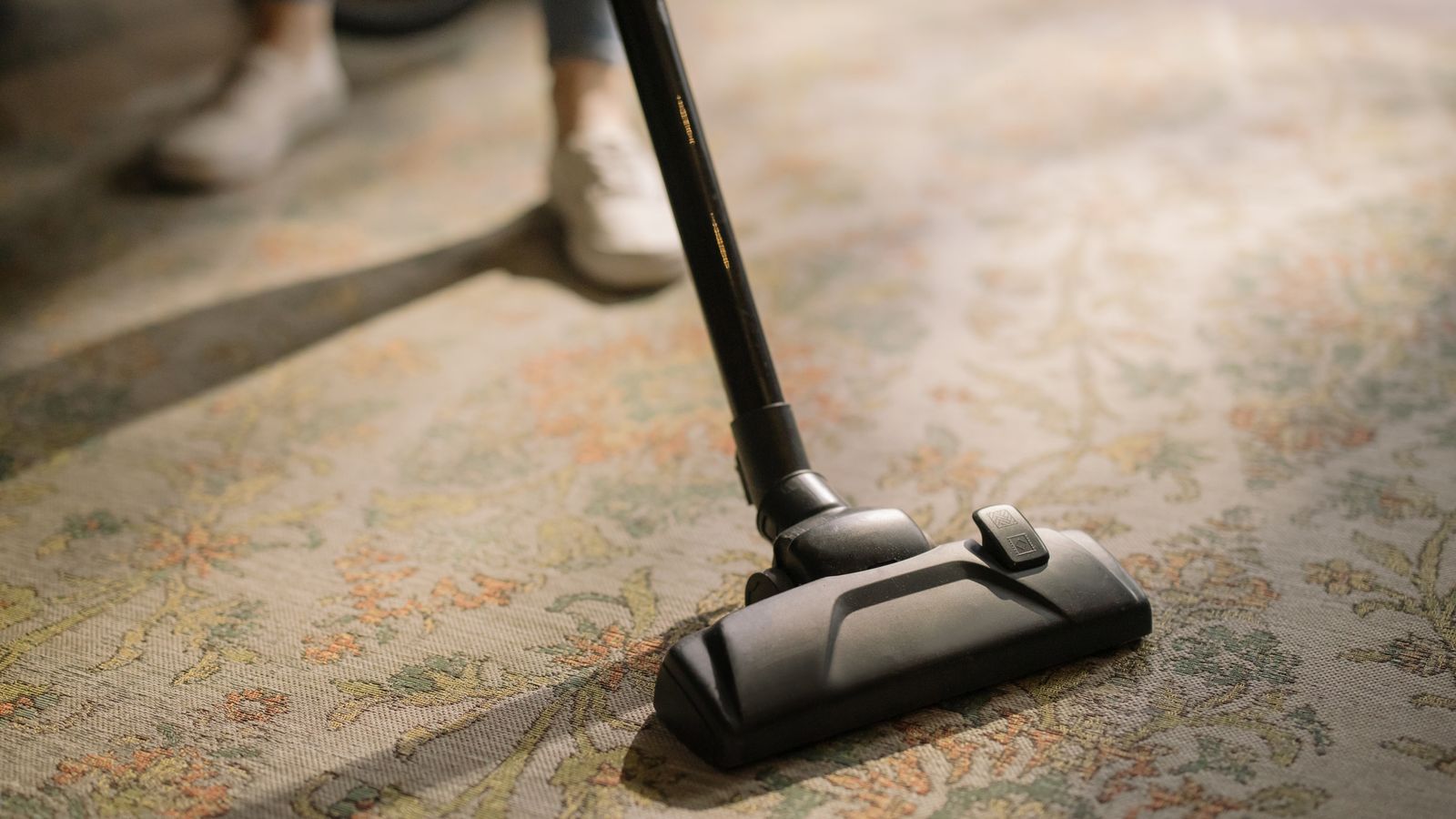
Before comparing specs, take an honest inventory of your home. Walk through every room and note whether the floor is carpet, low-pile rug, hardwood, tile, or a mix. This single step eliminates most of the guesswork, because the two vacuum types are optimized for very different surfaces.
- Mostly wall-to-wall carpet or thick area rugs: lean toward a dedicated carpet vacuum.
- Mostly hard floors with occasional rugs: a stick vacuum will usually serve you better day to day.
- A true mix of both, with stairs involved: you may need to weigh convenience against performance more carefully, since stairs favor a lighter machine but deep carpet favors stronger motors.
Once you know your flooring breakdown, you can start comparing the two categories against a consistent checklist rather than judging them on marketing claims alone.
Compare Suction Power and Brush Roll Design
Carpet vacuums, especially uprights and canisters designed for carpet, typically use larger motors and a wider, more aggressive brush roll with stiffer bristles. This design agitates the carpet fibers to lift embedded dirt, sand, and pet hair that sits below the surface. Stick vacuums prioritize a compact, lightweight motor, which is great for hard floors and quick pickups but can struggle on medium-to-thick pile carpet unless the model specifically markets strong carpet performance.
When comparing two products side by side, do not rely on wattage alone, since it does not always correlate with cleaning performance. Instead look at:
- Airflow and suction specifications listed by the brand, ideally tested independently rather than just advertised.
- Brush roll type: a motorized brush roll (as opposed to a passive one) is essential for real carpet cleaning.
- Adjustable height settings, which let the vacuum seal properly against different pile heights.
If you want a curated shortlist built specifically around carpet performance, browsing a resource like Vacuums for Carpet can save you hours of spec-reading, since those picks are already filtered for strong brush roll and suction combinations.
Compare Weight, Maneuverability, and Storage
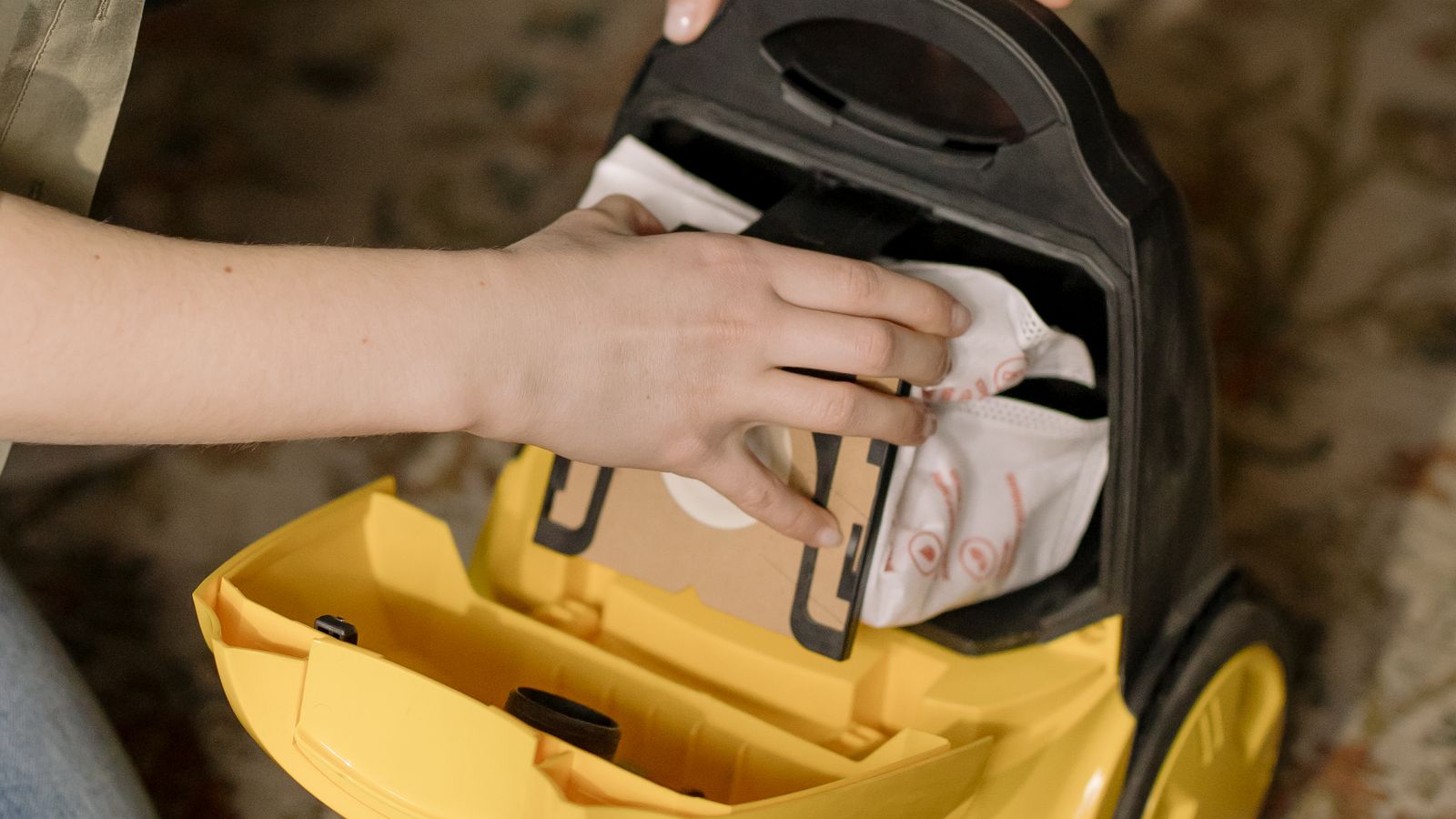
This is where stick vacuums usually win outright. Most stick models weigh a fraction of a traditional upright carpet vacuum, often light enough to carry with one hand up and down stairs, into closets, or around furniture legs. Dedicated carpet vacuums, by contrast, are usually bulkier and heavier because that extra weight often comes from a more powerful motor and reinforced components needed for deep cleaning.
Ask yourself these practical questions:
- Will you be carrying the vacuum up and down stairs regularly?
- Do you have narrow closets or limited storage space where a slim stick vacuum fits better than a bulky upright?
- Are you the primary person doing the vacuuming, and does the weight of the machine matter for your comfort or mobility?
If maneuverability and easy storage matter more to you than maximum deep-clean power, a model from a curated list of stick vacuums is likely to fit your daily routine better than a heavier carpet-focused machine.
Corded vs Cordless Considerations
Most modern stick vacuums are cordless, running on rechargeable batteries. This adds freedom of movement but introduces a runtime limit, typically ranging from a shorter high-power burst to a longer setting at reduced suction. Dedicated carpet vacuums are more often corded, which means unlimited runtime but a cord to manage around furniture and doorways. If you have a large home and need to clean multiple rooms in one session, factor in whether a stick vacuum’s battery will realistically last the whole job, or whether you will need to pause and recharge partway through.
Compare Filtration and Allergy Performance
If allergies, asthma, or pet dander are a concern in your household, filtration quality deserves close attention. Look for machines with sealed HEPA filtration systems, which trap fine particles rather than recirculating them back into the room. Carpet vacuums, because they are designed to pull embedded allergens and dust out of thick pile, often pair strong suction with robust filtration to prevent that debris from simply blowing back out. Stick vacuums vary more widely here: some budget models use basic filters that let smaller particles escape, while premium cordless models now include genuine sealed HEPA systems comparable to full-size machines.
When comparing two specific models, check for:
- Whether the filter is a true sealed HEPA system or just marketed as “HEPA-style.”
- How easy the filter is to remove, rinse, or replace, since a filter that is never cleaned quickly loses effectiveness.
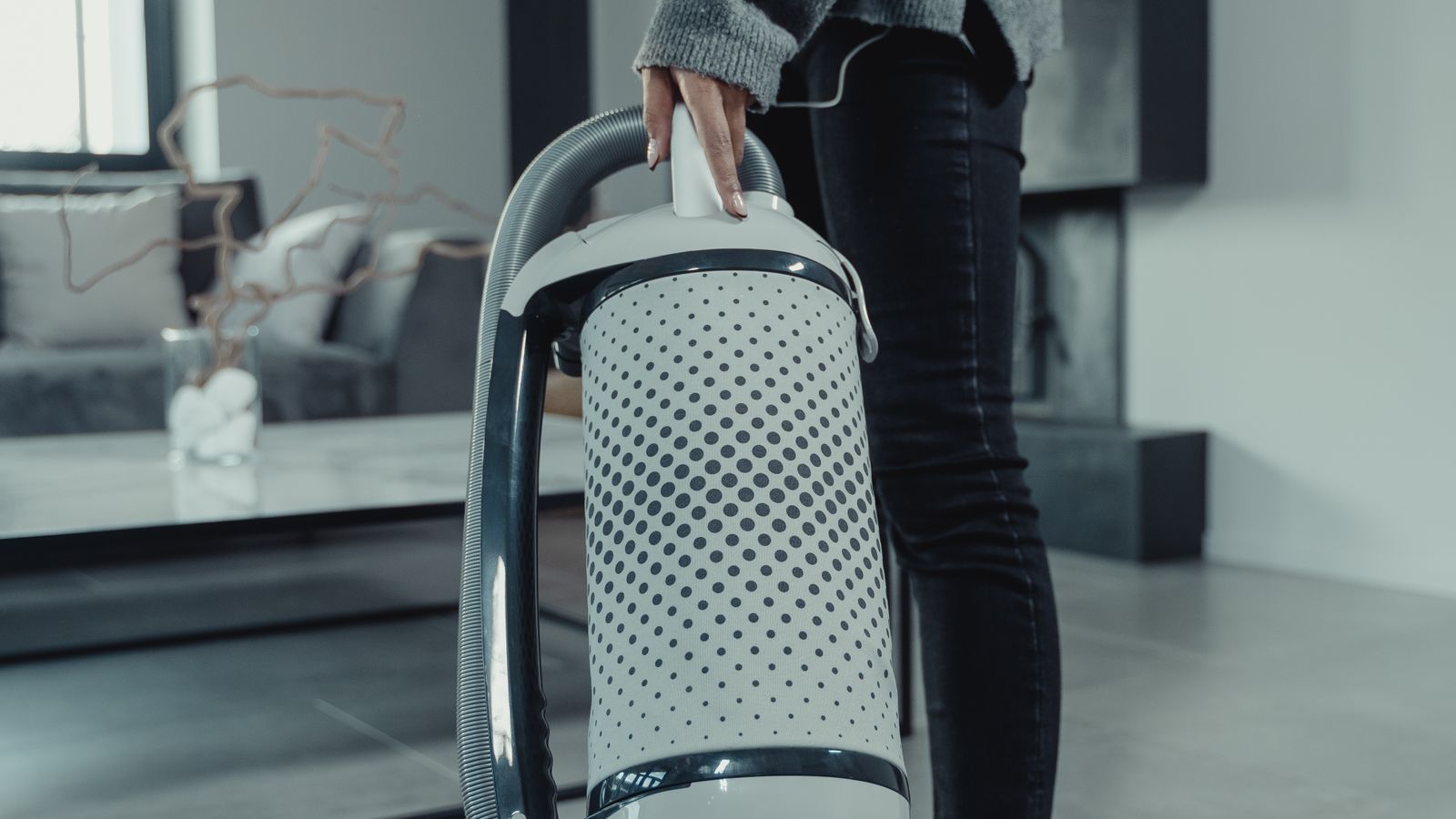
- Whether the dust bin uses a bagless cyclonic system or a bagged design, which affects both filtration and how much dust escapes during emptying.
Compare Attachments and Versatility
A vacuum’s usefulness often comes down to the tools included in the box. Dedicated carpet vacuums frequently include a wider set of attachments: upholstery tools, crevice tools, motorized mini brushes for pet hair on furniture, and sometimes even specialized carpet-deep-clean heads. Stick vacuums, being more compact, tend to include a smaller but still useful set of interchangeable heads, often a crevice tool and a soft brush for hard floors, with some premium models adding a mini motorized brush for stairs and upholstery.
Consider what you will actually clean beyond floors: car interiors, stairs, curtains, mattresses, or furniture. If versatility across many surfaces matters, prioritize a model with a broad attachment ecosystem regardless of which category it falls into.
Compare Noise Level and Everyday Convenience
Carpet vacuums with powerful motors tend to run louder, which matters if you have young children, pets that startle easily, or thin walls in an apartment. Stick vacuums are generally quieter, particularly on lower power settings, though switching to the strongest suction mode can bring the noise level much closer to a traditional upright. If you plan to vacuum during odd hours or around a napping baby, test or research decibel ratings before committing to either option.
Everyday convenience also includes:
- How easily the dust bin empties without creating a dust cloud.
- Whether the machine converts into a handheld unit for quick spot cleaning.
- How the vacuum stores itself, whether wall-mounted, freestanding, or requiring a closet.
Compare Price and Long-Term Cost
Sticker price only tells part of the story. Dedicated carpet vacuums often cost more upfront but can last many years with proper maintenance, and repairs or belt replacements are usually inexpensive. Cordless stick vacuums may have a lower or comparable purchase price, but replacement batteries can be a significant cost down the line, and battery degradation is a real factor after a couple of years of regular use.
When budgeting, factor in these ongoing costs for both types:
- Replacement filters and their recommended replacement frequency.
- Belts or brush roll replacements for carpet vacuums.
- Battery packs for cordless stick vacuums, and whether the battery is removable or built in.
- Bags, if the model uses a bagged system rather than bagless.
Build a Simple Side-by-Side Checklist
Once you have two or three candidate models in mind, one from each category if you are still undecided, put them side by side using this checklist:
- Suction rating and whether it is independently tested.
- Brush roll type and whether height is adjustable for different carpet pile.
- Weight and how it feels carried up a flight of stairs.
- Runtime if cordless, or cord length if corded.
- Filtration type and ease of cleaning the filter.
- Included attachments relevant to your home.
- Noise level, especially if you have pets or young children.
- Total cost of ownership including filters, bags, and batteries.
Score each machine honestly against your actual home rather than an idealized one. A vacuum that performs beautifully in a showroom demo on thin carpet may disappoint on a plush shag rug, and a stick vacuum marketed as an all-rounder may still fall short on a large, heavily carpeted home.
When a Hybrid Approach Makes Sense
Many households do not need to choose exclusively. A common and practical setup pairs a dedicated carpet vacuum for weekly deep cleaning of bedrooms and living areas with a lightweight stick vacuum kept handy for quick daily pickups in the kitchen, entryway, or around pet feeding areas. If your budget allows for two machines, this combination often delivers better results than trying to make one vacuum do everything perfectly.
If you are furnishing a laundry or utility space around the same time you are shopping for cleaning equipment, it can also be worth reviewing options like best washer dryer combos so your appliance decisions across the home stay consistent in terms of space planning and budget.
Common Mistakes to Avoid
- Buying based on brand reputation alone without checking brush roll type and filtration specifics.
- Ignoring battery runtime limitations for cordless stick vacuums in larger homes.
- Choosing the heaviest, most powerful carpet vacuum for a home that is mostly hard flooring.
- Skipping a test of how the vacuum handles transitions between carpet and hard floor, which can reveal design compromises.
- Forgetting to check replacement filter and battery costs before finalizing a purchase.
Frequently Asked Questions
Can a stick vacuum replace a dedicated carpet vacuum entirely?
For light-to-medium pile carpet in smaller homes, a strong stick vacuum can often handle the job well. For thick pile, wall-to-wall carpet, or homes with heavy pet shedding, a dedicated carpet vacuum with a motorized brush roll and higher sustained suction will usually clean more thoroughly.
Is a heavier vacuum always better for carpet?
Not necessarily. Weight often correlates with motor size and build quality, but modern engineering has produced lighter carpet vacuums that still perform well. Focus on suction specifications and brush roll design rather than weight alone.
How often should I compare and consider replacing my vacuum?
Most vacuums perform well for several years with proper filter and belt maintenance. If you notice declining suction even after cleaning filters and clearing blockages, or if repair costs approach the price of a new comparable model, it is a reasonable time to shop again.
Do stick vacuums work well on stairs?
Yes, this is one of their strongest use cases. Their light weight and often detachable handheld mode make stairs significantly easier to clean compared to carrying a full-size carpet vacuum up each step.
Final Thoughts
There is no single winner between a carpet vacuum and a stick vacuum, only the right fit for your specific home and habits. Use the comparison points above, flooring type, suction and brush roll design, weight, filtration, attachments, noise, and total cost, to score your top candidates honestly. Whether you land on a dedicated carpet machine, a versatile stick vacuum, or a combination of both, going in with a clear checklist means you will end up with a cleaner home and far fewer regrets than shopping on marketing claims alone.