A bed frame with a headboard does more than hold your mattress off the floor – it anchors the whole look of your bedroom and, done right, adds real back support for reading or scrolling in bed. But with so many styles, materials, and sizing rules to navigate, picking the correct one for your specific bed frame setup can feel more complicated than it should be. This guide walks through the practical decisions – from measuring your space to matching support type to your mattress – so you end up with a frame and headboard combo that actually fits your room and your routine.
Step 1: Measure Your Room Before You Shop
Before you fall in love with a tall upholstered headboard, get a tape measure out. Headboards can add anywhere from a few inches to over a foot to the total footprint of your bed, and that extra height and depth matters most against the wall where the bed will sit.
- Measure the wall width where the bed will go, leaving at least 24 inches on each side for walking room and nightstands.
- Measure ceiling height if you’re considering a tall or canopy-style headboard – anything over 60 inches can feel oppressive in a room with low ceilings.
- Check door swing and hallway width if the frame ships assembled or in one large piece; oversized headboards sometimes cannot make it around tight corners.
Step 2: Match the Frame Size to Your Mattress
This sounds obvious, but it’s the most common ordering mistake. Bed frame sizing follows standard mattress dimensions (Twin, Full, Queen, King, California King), but headboard widths vary between manufacturers even within the same size category, so always double-check the listed headboard width against your mattress width before buying.
- Confirm your exact mattress dimensions (measure it yourself rather than trusting the size label, since older mattresses can run slightly off-spec).
- Check whether the frame is a one-piece headboard-and-frame unit or a separate headboard that attaches to an existing frame.
- If buying a headboard separately, confirm it uses a standard bolt-on bracket pattern compatible with your current frame’s headboard hooks.
Step 3: Decide on the Right Type of Support
Not every frame with a headboard supports your mattress the same way, and getting this wrong shortens the life of your mattress.
Platform Frames
These use built-in slats and don’t require a box spring. They tend to sit lower to the ground, giving a more modern look, and work well with memory foam or hybrid mattresses. If you already own slats you’re happy with, check out this roundup of the best bed slats to see if an upgrade is worth pairing with a new headboard.
Frames Built for a Box Spring
Traditional frames rely on a box spring for support and sit higher off the floor. These pair well with classic upholstered or wood headboards and can make a room feel more formal, but they add height that may not suit lower-ceilinged rooms.
Adjustable Frames
If you want to raise your head or feet electronically, confirm the headboard style you like is compatible – some tall or heavily upholstered headboards don’t attach cleanly to adjustable bases.
Step 4: Pick a Material That Fits Your Lifestyle
Headboard material affects both looks and upkeep, so weigh durability against the aesthetic you’re after.
- Upholstered fabric or velvet – soft, comfortable to lean against, but can show stains and needs occasional spot cleaning.
- Solid wood – durable and easy to wipe down, works in both rustic and modern rooms, generally the longest-lasting option.
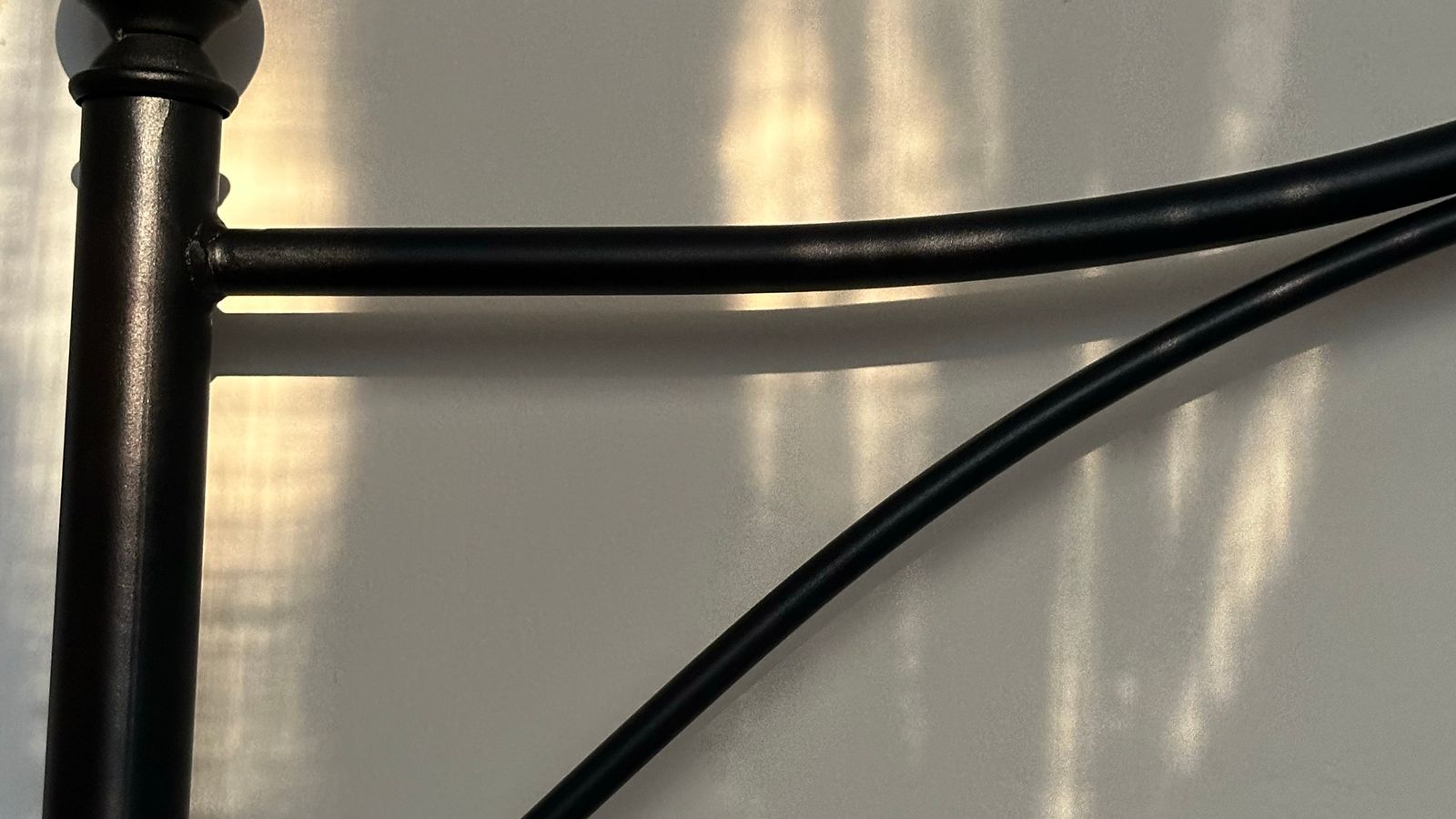
- Metal – slim profile, often more affordable, and easy to clean, though it can feel cold or industrial without the right bedding to soften it.
- Rattan or wicker – adds texture and a relaxed look, but is less forgiving with kids or pets who might snag the weave.
Step 5: Consider Style and Bedroom Layout
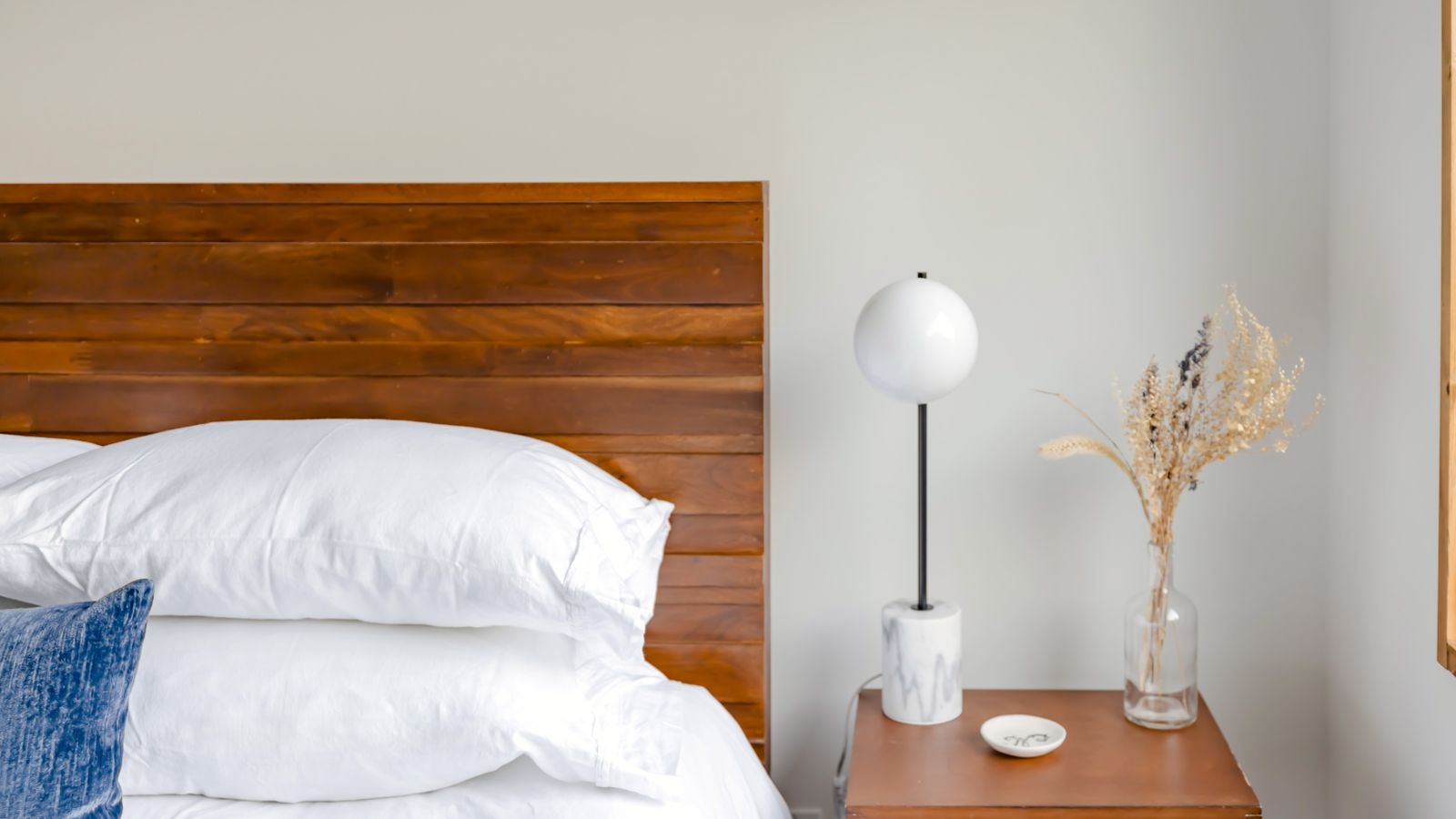
The headboard is typically the largest visual element in a bedroom, so it sets the tone for everything else. A tall, tufted headboard reads as more traditional or glam, while a low, slatted wood headboard suits minimalist or Scandinavian-inspired rooms. If your room is small, a lower-profile headboard keeps sightlines open and prevents the space from feeling cramped. Larger rooms can handle a taller, more dramatic headboard as a focal point.
Think about how the frame interacts with your existing furniture too – a heavily carved wood headboard next to sleek modern nightstands can look mismatched, while pairing similar wood tones or complementary metal finishes ties the room together.
Step 6: Set a Realistic Budget
Bed frames with headboards range widely in price depending on material and construction quality. If cost is a major factor, it’s worth browsing options built specifically for value – this collection of bed frames under $500 is a good starting point for finding sturdy frames that don’t sacrifice style. Keep in mind that a slightly higher upfront cost on a solid wood or steel frame often pays off in fewer replacements down the line, especially for heavier mattresses or larger sleepers.
Step 7: Check Weight Capacity and Frame Construction
Look past the marketing photos and check the frame’s stated weight capacity, especially if two people will share the bed or you have a heavier mattress like an innerspring or hybrid. A frame with a wide center support beam and additional legs distributes weight more evenly and reduces sagging or squeaking over time. Steel frames generally handle more weight before flexing, while some budget wood frames rely on fewer support points and may need reinforcement for heavier use.
Step 8: Confirm Assembly and Delivery Details
Before checkout, read the assembly requirements. Some frames with headboards ship as flat-pack kits needing two people and an hour or two with basic tools, while others arrive mostly assembled. If you’re set on a specific style, browse a dedicated collection of bed frames with headboards to compare assembly complexity, delivery packaging, and included hardware side by side before committing.
Common Mistakes to Avoid
- Skipping the wall measurement – a beautiful tall headboard that blocks a window or outlet is a hassle to return.
- Ignoring slat spacing – slats spaced too far apart can void a mattress warranty or cause premature sagging.
- Mismatching headboard attachment hardware – always check bolt patterns before buying a headboard separately from the frame.
- Choosing style over function – a gorgeous headboard that isn’t structurally rated for your mattress weight will loosen or wobble within months.
Frequently Asked Questions
Do I need a box spring with a headboard frame?
Not always. Many modern frames with headboards are built as platform beds with slats strong enough to support a mattress directly, no box spring required. Check the product description for slat spacing and weight rating to confirm.
Can I attach a headboard to any bed frame?
Only if the bolt hole pattern matches. Most standard frames use a universal spacing, but oversized or uniquely shaped headboards sometimes need brackets sold separately, so check compatibility before ordering.
How tall should a headboard be?
A general rule is 14 to 24 inches above the mattress top, though this depends on ceiling height and personal preference. Taller headboards work best in rooms with at least 9-foot ceilings.
What’s the most durable headboard material?
Solid wood and welded metal frames tend to outlast upholstered options, especially in households with kids or pets, since they resist wear better than fabric.
Final Thoughts
Choosing the right bed frame with a headboard comes down to matching size, support type, and material to how you actually use your bedroom – not just picking whatever looks best online. Measure carefully, confirm the support style suits your mattress, and pick a material that fits your maintenance tolerance. Once those boxes are checked, you can shop styles with confidence, knowing the frame you choose will hold up and look right in your space for years to come.