A wall mounted headboard is one of the easiest ways to add style to a bedroom without the bulk of a full bed frame attachment, but like any furnishing it does not last forever. Between daily contact, sunlight exposure, humidity, and the wear that comes from leaning against it while reading or watching TV, a wall mounted headboard slowly loses its structural integrity and its good looks. Knowing when to simply clean and touch it up versus when to replace it outright can save you money and prevent a safety issue down the road, especially since these headboards are anchored directly into your wall studs.
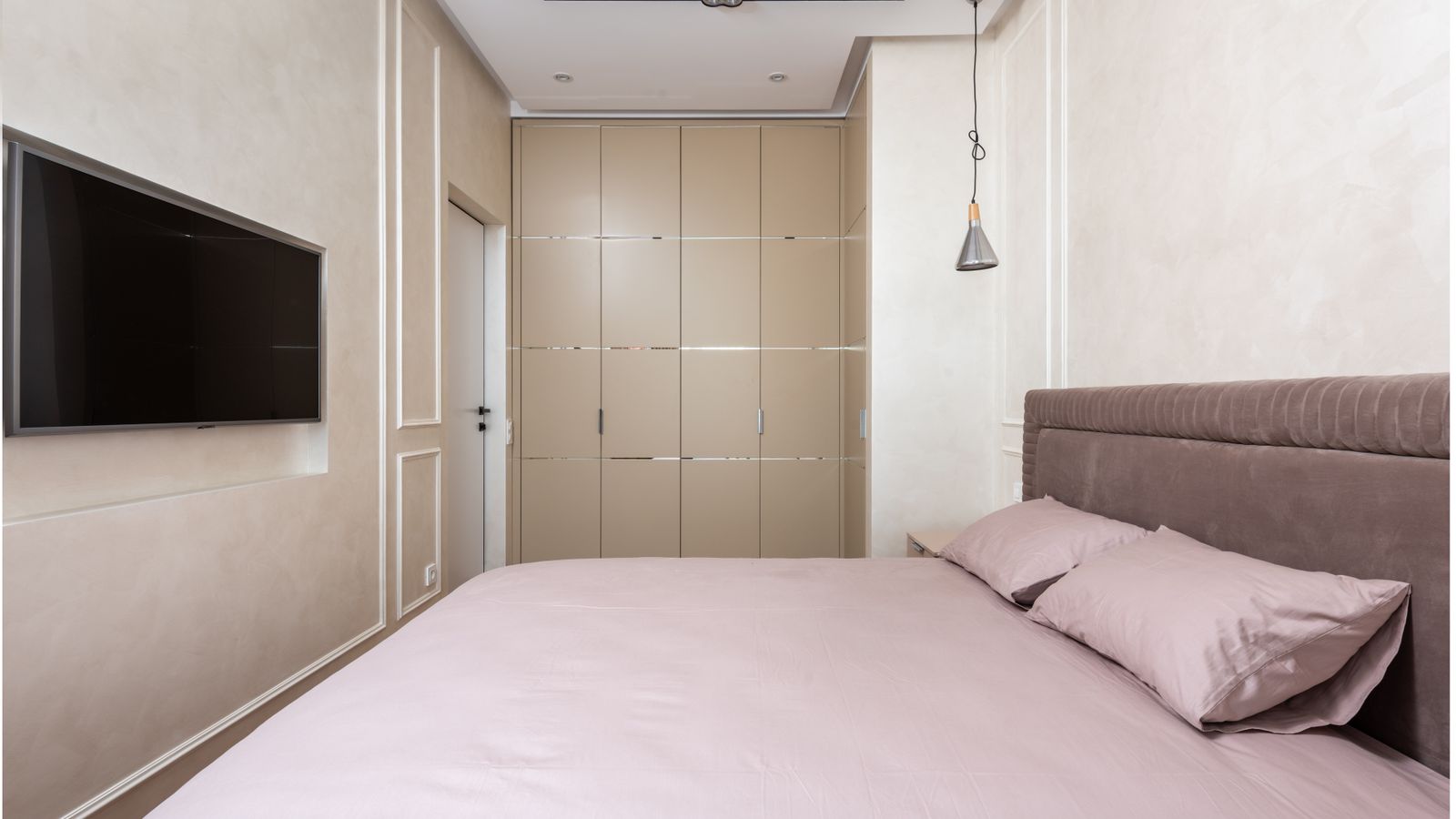
How Long Does a Wall Mounted Headboard Typically Last?
Most wall mounted headboards, whether upholstered, wood, or panel-style, last somewhere between 7 and 15 years under normal household use. Upholstered versions with foam padding tend to sit on the shorter end of that range because foam compresses and fabric wears faster than solid materials. Solid wood or engineered panel headboards can last considerably longer, sometimes 15 to 20 years, as long as the mounting hardware stays sound and the material is not exposed to excess moisture. The wide range comes down to a few variables: the quality of materials used, how much direct contact the headboard gets, and whether it is protected from sunlight and humidity swings that speed up deterioration.
A headboard in a guest room that sees occasional use will easily outlast one in a primary bedroom used nightly. Climate matters too – homes with high humidity or rooms near a bathroom or window with frequent condensation will see fabric and wood degrade noticeably faster than in a dry, climate-controlled space.
Signs Your Wall Mounted Headboard Needs Replacing
Rather than replacing on a strict calendar schedule, it is more useful to watch for physical signs of wear. Here are the most common indicators that a wall mounted headboard has reached the end of its useful life:
- Loose or wobbly mounting: If the headboard shifts, tilts, or pulls away from the wall even slightly when touched, the mounting bracket or wall anchor may be failing. This is a safety concern, not just cosmetic.
- Visible cracks in wood or panels: Splitting, warping, or delamination in wood-based headboards signals structural weakness that will only worsen with continued use.
- Sagging or lumpy upholstery: Foam padding that has compressed unevenly creates a lumpy, sunken look that no amount of fluffing will fix.
- Stains that will not lift: Deep-set stains from body oils, skincare products, or spills that persist after cleaning are a sign the fabric has absorbed damage beyond surface level.
- Fading or discoloration: Sun exposure near a window can bleach fabric or wood finish unevenly, leaving one side visibly different from the other.
- Musty odor: A persistent smell even after cleaning often means moisture has worked into the padding or backing material, sometimes with mold growth behind the fabric.
- Rust or corrosion on hardware: Metal brackets, screws, or French cleats that show rust can weaken the entire mounting system.
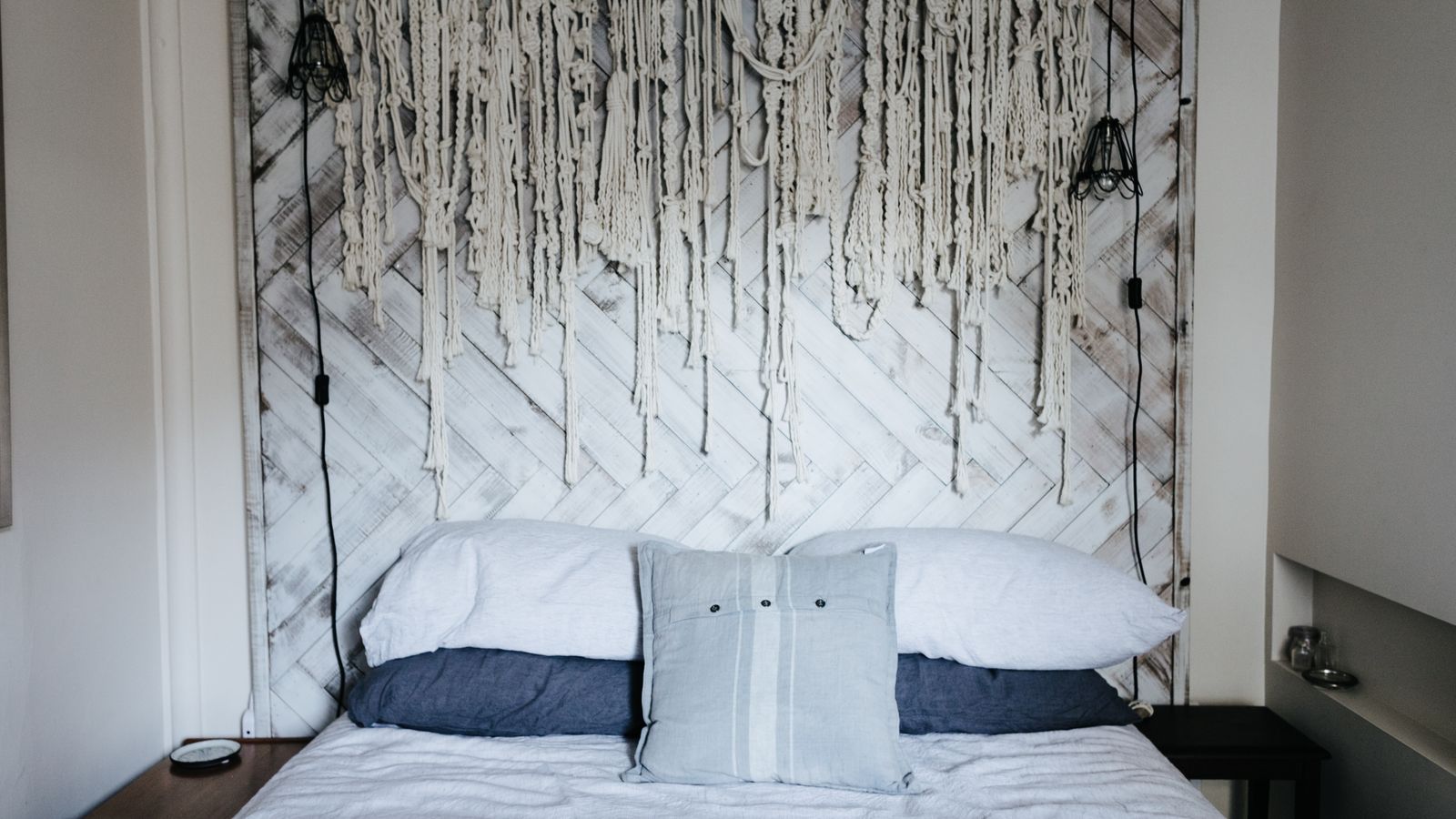
Factors That Affect Replacement Timing
Material Type
Upholstered headboards with foam and fabric generally need replacement sooner than solid wood, metal, or rattan versions. Fabric is porous and absorbs oils, dust, and moisture over time, while foam loses its resilience through repeated compression. Wood and metal headboards resist this kind of wear but can still suffer from finish damage, warping, or hardware fatigue.
Daily Use and Body Contact
If you regularly sit up in bed against the headboard to read, work, or watch television, expect faster wear than someone who only touches it occasionally while making the bed. Consistent pressure in the same spot accelerates fabric wear and foam compression.
Room Humidity and Sunlight
Bedrooms with poor ventilation, proximity to a bathroom, or a window that gets strong afternoon sun will age a headboard faster. Moisture promotes mold and mildew in upholstered pieces, while UV exposure fades and dries out both fabric and wood finishes.
Mounting Hardware Quality
The bracket system holding the headboard to the wall matters as much as the headboard itself. Lower-quality hardware or anchors not properly seated into wall studs can loosen over time, even if the headboard panel itself is still in good shape.
Step-by-Step Care Routine to Extend Its Life
Regular maintenance is the single best way to push back the replacement timeline. Follow these steps on a consistent schedule to keep your wall mounted headboard in good condition for as long as possible.
- Dust weekly. Use a soft microfiber cloth or a vacuum with an upholstery brush attachment to remove surface dust before it settles into fabric fibers or wood grain.
- Spot clean spills immediately. Blot (never rub) fresh stains on fabric with a clean cloth and a mild upholstery cleaner. For wood or laminate, wipe with a slightly damp cloth and dry immediately.
- Deep clean upholstery every 3 to 4 months. Use a fabric-safe cleaner or a steam cleaner designed for upholstery to lift oils and odors that basic dusting misses.
- Rotate or fluff cushioned sections if possible. On headboards with removable or adjustable padding, occasionally shifting position helps distribute wear more evenly.
- Check the mounting hardware every 6 months. Tighten any loose screws or bolts, and inspect wall anchors for signs of pulling away from the drywall or stud.
- Keep it out of direct sunlight when possible. Use curtains or blinds during peak sun hours to slow fading and material breakdown.
- Control room humidity. A dehumidifier or simply better airflow can prevent moisture buildup that leads to mold or warping.
- Condition wood finishes annually. A light coat of appropriate wood polish or conditioner keeps solid wood headboards from drying out and cracking.
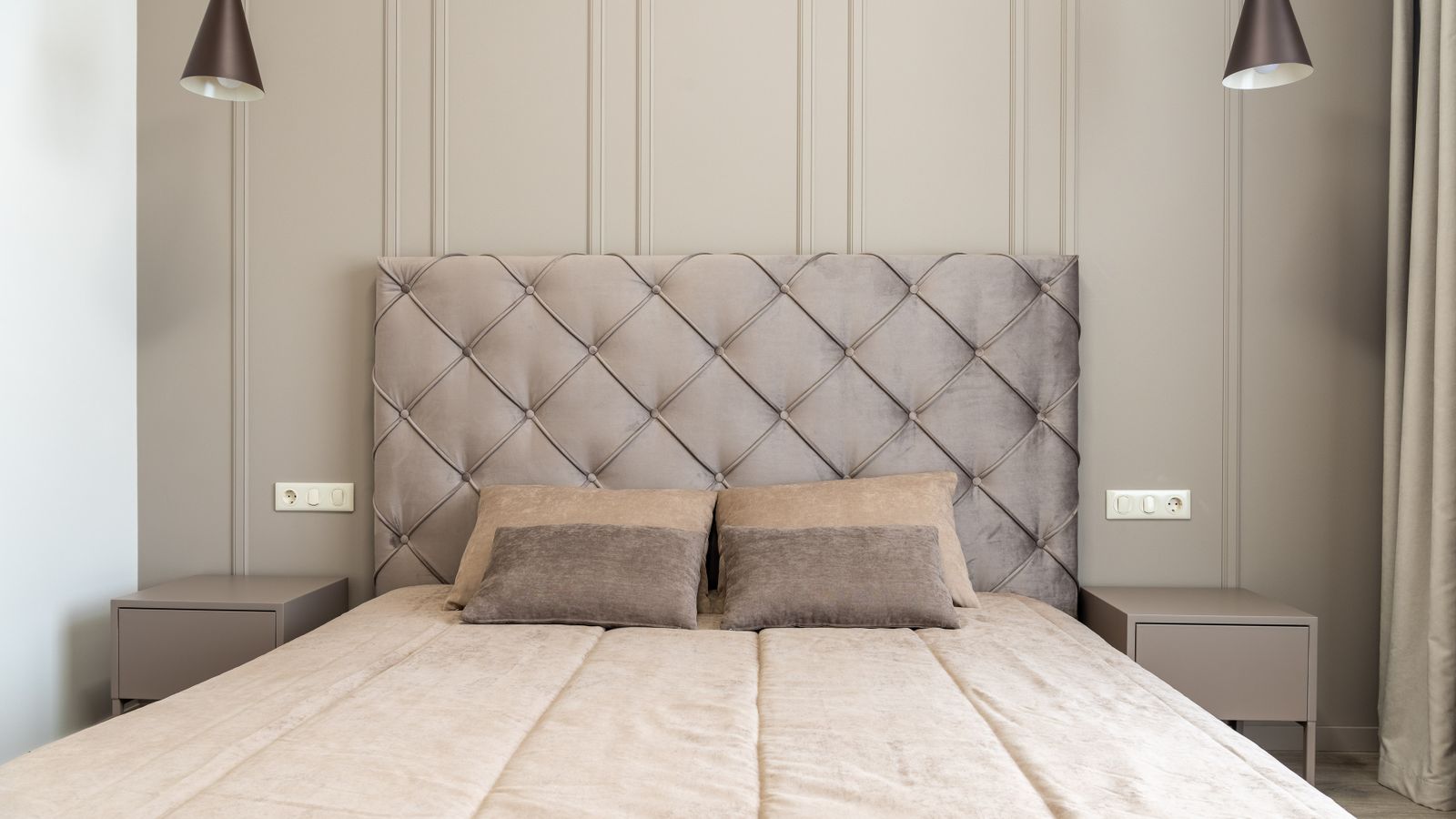
Common Mistakes That Shorten a Headboard’s Lifespan
- Skipping stud detection during install: Mounting into drywall alone without hitting studs or using rated anchors leads to premature loosening and eventual failure.
- Using harsh cleaning chemicals: Bleach or ammonia-based cleaners can discolor fabric and dry out wood finishes far faster than gentler, fabric-appropriate products.
- Ignoring early wobble: A slightly loose headboard often gets worse quickly once weight is repeatedly applied against a weakening anchor point.
- Placing it directly against a damp exterior wall: Exterior walls can carry more moisture, especially in older homes, accelerating mold risk behind upholstered panels.
- Neglecting to vacuum seams and tufting: Dust and allergens collect in stitched seams and tufted buttons, areas that a quick wipe-down often misses.
Repair or Replace: How to Decide
Not every issue means a full replacement. Minor fading, a single loose screw, or a small stain are usually fixable with cleaning, re-tightening hardware, or in some cases reupholstering just the fabric panel. However, replacement is the smarter choice when the wood frame is cracked, when mounting hardware has repeatedly failed even after reinstallation, when foam padding has permanently flattened, or when odor and mold persist after deep cleaning. At that point, continuing to patch a failing headboard usually costs more in time and materials than simply installing a new one.
If you are ready to shop, browsing a curated list of Wall Mounted Headboards is a good starting point to compare current styles, materials, and mounting systems before making a decision.
Choosing a Longer-Lasting Replacement
When you do replace your headboard, a few choices upfront can extend the lifespan of the new one. Look for solid wood or metal frames over particleboard, stain-resistant or performance fabric on upholstered options, and a mounting system with a full-width French cleat rather than a couple of small brackets, since that distributes weight more evenly across the wall. If your bed frame setup is also due for an update, pairing a new headboard with sturdier support, such as options found among bed frames without box springs, can create a more cohesive and durable bedroom setup overall. For households with heavier users, checking a guide to the best bed frames for heavy people can also help ensure the whole bed system, not just the headboard, is built to last.
Frequently Asked Questions
Can I repair a loose wall mounted headboard myself?
In many cases, yes. Tightening existing screws, adding a second anchor point, or reinstalling into a proper wall stud can resolve minor wobble. If the wall itself shows damage from repeated pulling, you may need to patch the drywall before remounting.
Is it safe to reupholster an old headboard instead of replacing it?
Yes, as long as the underlying frame and foam are still structurally sound. Reupholstering can refresh the look and extend the life of a headboard by several more years at a lower cost than full replacement.
How do I know if mold has developed inside the padding?
A persistent musty smell that does not go away after cleaning, along with any dark spotting visible through the fabric seams, are signs of hidden mold. In this case, replacement is generally safer than attempting to clean it out.
Does headboard material affect how often I need to clean it?
Yes. Upholstered fabric needs more frequent attention, roughly every few months, because it traps dust, oils, and odors. Wood, metal, or laminate surfaces only need occasional wiping and hold up longer between cleanings.
Should I remove the headboard before repainting the bedroom wall?
It is a good idea if possible, both to avoid paint splatter and to inspect the wall anchors while they are exposed. This is also a convenient time to check for any hidden moisture damage behind the mounting points.
Final Thoughts
A wall mounted headboard does not need to be replaced on a fixed timeline, but paying attention to wobble, staining, odor, and material wear will tell you exactly when it is time. With regular dusting, occasional deep cleaning, and periodic hardware checks, most headboards can comfortably last a decade or more before replacement becomes necessary. When that time does come, choosing sturdier materials and a wider mounting system will help your next headboard go the distance.