A small sofa works hard in a compact living room. It absorbs daily sitting, naps, spilled coffee, and the occasional jump from a pet or kid, all while anchoring a space that has no room for a backup seat. So it is fair to ask: how long should a small sofa actually last, and how do you know when it is time to let it go rather than patch it up one more time? This guide walks through realistic lifespans, the warning signs that matter, and the care habits that stretch the years out of a small-space seating piece.

How Long Does a Small Sofa Typically Last?
Most small sofas last somewhere between 7 and 15 years, depending on the frame material, cushion fill, upholstery, and how much daily use it sees. A well-built frame with a solid hardwood core and high-resiliency foam cushions can comfortably outlast a decade of regular sitting, while a budget piece with a particleboard frame and low-density foam may start sagging within 3 to 5 years. Because small sofas are often placed in apartments, studios, or secondary living rooms, they frequently see heavier per-square-foot use than a sofa in a larger home, which can shorten the practical lifespan even if the materials are decent.
The honest answer is that “how often” is less about a calendar and more about condition. A sofa that still supports your weight evenly, holds its shape, and shows no structural damage can keep going well past the ten-year mark. One that creaks, sags in the middle, or has a broken frame component needs attention regardless of its age.
Signs It’s Time to Replace Your Small Sofa
Sagging or Collapsed Cushions
If you sit down and feel the frame underneath, or if the cushions no longer spring back after you stand up, the foam or spring system has broken down. Flipping and rotating cushions can delay this for a while, but once the foam has compressed permanently, no amount of fluffing restores support.
Frame Damage
Creaking, wobbling, or visible cracks in the wooden frame are a bigger concern than worn fabric. A frame that flexes when you sit can eventually fail completely, and repairing a broken frame is often more expensive than replacing the piece, especially on smaller, less expensive sofas that were not built with repairable joinery.
Persistent Odors or Stains
Deep-set odors from moisture, pets, or smoke that survive professional cleaning usually mean the padding underneath the fabric has absorbed the problem. At that point, cosmetic cleaning only masks it temporarily.
Allergy or Dust Buildup
Older upholstery accumulates dust mites, pet dander, and allergens in the padding layers that vacuuming cannot fully reach. If household allergy symptoms flare up near the sofa specifically, that is a practical reason to consider a replacement, particularly for sofas that have never been professionally deep cleaned.
Style No Longer Fits the Space
Sometimes a small sofa is structurally fine but simply does not work anymore, whether the room was reconfigured, the color scheme changed, or the household’s seating needs shifted. This is a valid, non-damage-related reason to replace, and it is worth browsing current options for small sofas built for the exact footprint of your room before committing to a new purchase.
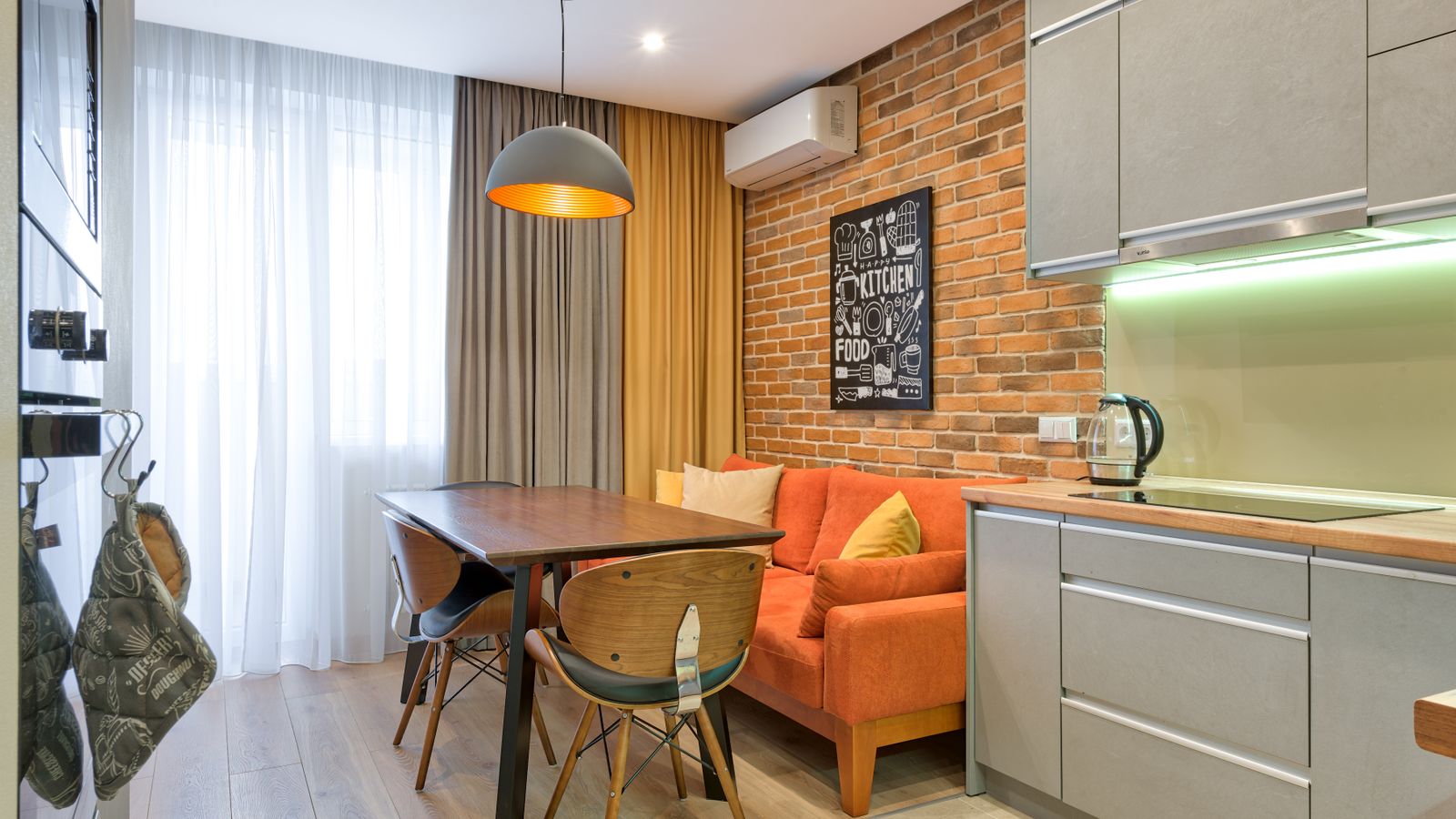
Factors That Shorten or Extend Lifespan
Frame Material
Kiln-dried hardwood frames resist warping and hold joints tightly for many years. Softwood or particleboard frames are lighter and cheaper but flex more under repeated weight, which loosens joints faster.
Cushion Fill
High-resiliency foam, foam wrapped in down or fiber, and pocketed coil systems all recover their shape better over time than standard polyurethane foam. Cheaper foam compresses permanently within a few years of daily use.
Upholstery Fabric
Performance fabrics and tightly woven synthetics resist pilling, fading, and staining far better than loosely woven natural fibers. Leather and faux leather wear differently, cracking rather than pilling, but both can last many years with conditioning.
Household Use Patterns
A sofa used daily by adults, kids, and pets in a small apartment will show wear faster than the same model in a guest room used occasionally. Sunlight exposure, humidity, and proximity to a heating vent also accelerate fabric and foam breakdown.
Care Habits That Extend a Small Sofa’s Life
- Rotate and flip cushions every few weeks so wear distributes evenly across the seat.
- Vacuum weekly using an upholstery attachment to remove dust and debris before it works into the fibers.
- Spot-clean spills immediately with a cleaner matched to the fabric’s care code (check the tag for W, S, WS, or X).
- Keep it out of direct sunlight or use curtains and blinds to reduce fading and fiber breakdown.
- Fluff and reshape cushions daily if they are loose-fill or feather-blend, so they do not settle unevenly.
- Use arm covers or throws in high-contact areas where oils and friction wear fabric fastest.
- Tighten loose frame screws or joints as soon as you notice a wobble, rather than letting stress build.
- Schedule professional cleaning every 12 to 18 months for fabric sofas that see regular use.
Repair vs. Replace: How to Decide
Not every problem means starting over. Reupholstering a sofa with a solid frame can be worthwhile if the piece is well-built, sentimental, or simply the right size for an awkward layout. Replacing sagging foam inserts, restuffing cushions, or having a professional re-glue loose joints are all reasonable mid-life repairs that can add several more years of use.
Replacement makes more sense when the frame itself has failed, when repair costs approach or exceed the price of a comparable new sofa, or when the sofa no longer fits how the room is used. For small living rooms in particular, where every inch of space and every seat matters, a sofa that no longer supports comfortable seating is worth swapping out rather than tolerating. If you are pairing the new sofa with other furniture, browsing armchairs that complement a compact seating arrangement can help balance the room without crowding it.
What to Look for When Replacing It
When the time comes to shop, prioritize a hardwood or engineered-hardwood frame, high-resiliency or foam-and-coil cushions, and a performance fabric or top-grain leather that matches your household’s activity level. Measure the room and any doorways or stairwells carefully, since small sofas often need to fit through tight entry points. If the new sofa will anchor a media-focused layout, coordinate its scale with nearby pieces like entertainment centers so the room feels proportioned rather than cramped.
Common Mistakes to Avoid
- Ignoring early creaks and wobbles until the frame fails completely, turning a simple tightening job into a full repair.
- Skipping the fabric care code when cleaning, which can permanently stain or shrink certain materials.
- Never rotating cushions, leading to uneven sagging in the most-used seat.
- Placing the sofa against a heating vent or in direct sun without protection, which accelerates fading and foam breakdown.
- Buying a replacement without measuring doorways and stairwells, resulting in a sofa that cannot be delivered into the room.
FAQ
How often should I deep clean a small sofa?
Every 12 to 18 months for regularly used fabric sofas, or sooner if there are pets, kids, or visible staining. Leather benefits from conditioning roughly every 6 to 12 months.
Can I just replace the cushions instead of the whole sofa?
Yes, if the frame is structurally sound. Many small sofas allow custom-cut foam inserts or reupholstered cushion covers, which is often cheaper than full replacement.
Does fabric quality really affect lifespan that much?
Significantly. A tightly woven performance fabric can outlast a loosely woven natural fiber by several years under identical use, especially in households with pets or children.
Is a 5-year-old sofa too old to keep?
Not necessarily. Age matters less than condition. A 5-year-old sofa with a solid frame and supportive cushions can still have many years left, while a poorly built 3-year-old sofa may already need replacing.
Final Thoughts
A small sofa does not follow a strict replacement schedule; it follows its condition. Watch for sagging cushions, frame creaks, persistent odors, and fading rather than counting years on a calendar. With regular rotation, cleaning, and prompt attention to loose joints, a well-built small sofa can comfortably serve a household for a decade or more. When it finally does need replacing, take the opportunity to measure carefully and choose a frame and fabric built for how your household actually uses the space.