A quilt is one of those bedding pieces that quietly does its job night after night, which is exactly why most people forget to think about when it needs replacing. Unlike a comforter you toss in the wash every few weeks, a quilt tends to stay on the bed for years, slowly losing loft, warmth, and structure without anyone noticing. If your quilt feels flatter than it used to, or you can’t remember the last time you bought a new one, this guide walks through exactly how often you should replace it, the warning signs to watch for, and how to extend its life in the meantime.
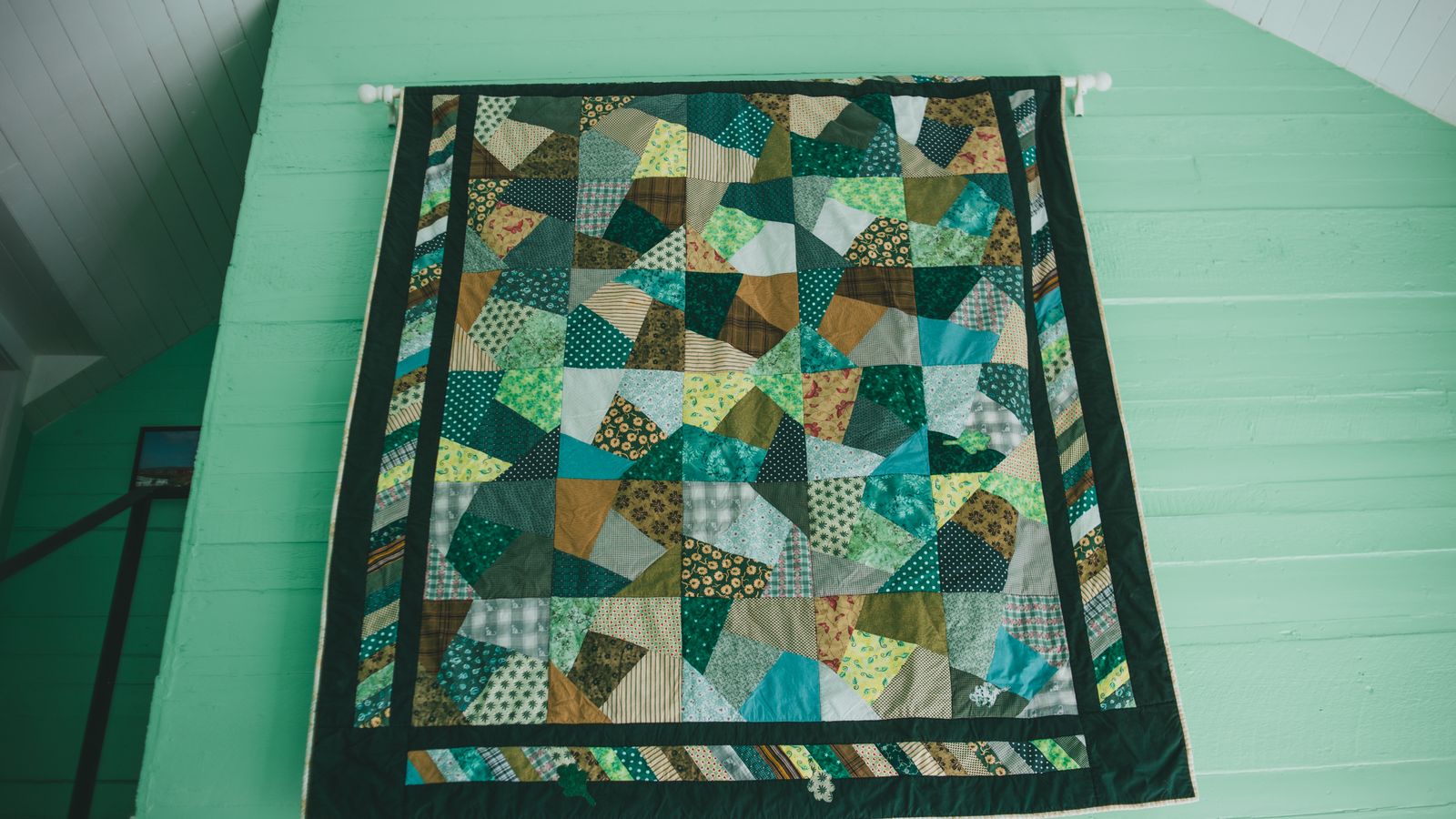
How Long Does a Quilt Actually Last?
Most well-made quilts last between 5 and 15 years, depending on the fill material, how often they’re used, and how well they’re cared for. A lightweight cotton quilt used as a decorative bed topper might last a decade or more with minimal wear, since it isn’t handling the bulk of your body heat every night. A quilt used as your primary bedding layer, especially through cold winters, will wear out faster because it’s compressed, washed, and stretched more frequently.
Fill type matters too. Cotton-batting quilts tend to flatten gradually but rarely fail outright, while polyester-fill quilts can clump or shift inside their channels within a few years of regular washing. Hand-quilted or heirloom-style pieces, often made with tighter stitching, hold their shape longer than mass-produced quilts with wide-spaced quilting lines that let the filling migrate.
Signs Your Quilt Needs Replacing
You don’t need to track a calendar date to know when a quilt is done. Your body and the quilt itself will tell you first. Watch for these signals:
- Flattened or lumpy filling: If you can feel bare patches where the fill has shifted or thinned, the quilt has lost most of its insulating power.
- Persistent odors: A musty or sour smell that survives a full wash cycle usually means moisture has settled deep into the batting, where it can encourage mildew.
- Visible stains that won’t lift: Yellowing, sweat stains, or discoloration that remains after multiple washes signal the fabric fibers are breaking down.
- Torn seams or fraying edges: Small tears along the binding or box-stitching are an early warning; they tend to spread quickly once they start.
- Loss of warmth: If you’re suddenly reaching for an extra blanket on nights that used to feel fine, the loft has likely thinned beyond what fluffing can fix.
- Allergy flare-ups: Increased sneezing or congestion at night can point to dust mites or allergens embedded in aging fabric and filling.
If you’re noticing two or more of these signs together, it’s a strong indicator that replacement, not another wash cycle, is the right move.
Factors That Shorten a Quilt’s Lifespan
Frequency of Washing
Quilts aren’t meant to be washed as often as sheets. Frequent machine washing, especially on hot cycles, breaks down stitching and compresses natural fibers over time. Spot-cleaning between full washes helps the quilt last considerably longer.
Sun and Heat Exposure
Line-drying in direct sunlight can fade colors and weaken fibers with repeated UV exposure. A shaded drying area or a low-heat dryer cycle is gentler on both fabric and fill.
Pets and Everyday Wear
Quilts that double as a pet’s favorite nap spot or that get used daily as a couch throw wear out faster than one reserved strictly for the bed. Claws, oils from skin and fur, and constant compression all add up.
Storage Conditions
Quilts stored in airtight plastic bins without ventilation are prone to trapped moisture and mildew, which shortens their usable life even if they’re never used.
How to Extend Your Quilt’s Life
Good care can push a quilt well past the average replacement window. A few habits make a meaningful difference:
- Use a duvet cover or top sheet: A removable layer absorbs body oils and dirt so the quilt itself needs washing far less often.
- Wash on a gentle, cold cycle: Cold water and a mild detergent protect stitching and prevent shrinkage or fiber damage.
- Air out the quilt regularly: Hang it outside or drape it over a chair for a few hours every couple of weeks to release moisture and refresh the loft.
- Fluff after washing: Tumble dry on low with a few clean tennis balls to redistribute filling and prevent clumping.
- Store it properly: Use a breathable cotton storage bag rather than sealed plastic, and keep it somewhere dry and cool during off-season months.
- Rotate with a second quilt: Alternating between two quilts halves the wear each one takes over a year.

Common Mistakes That Wear Quilts Out Faster
- Skipping the duvet cover: Using a quilt bare against skin and sheets speeds up staining and fiber breakdown.
- Overloading the washing machine: A cramped wash cycle prevents the quilt from rinsing and spinning properly, leaving detergent residue that stiffens fabric.
- Ignoring small tears: A tiny seam split left unrepaired usually widens with every wash and every night of use.
- Storing while slightly damp: Packing away a quilt that isn’t fully dry is one of the fastest ways to invite mildew and musty odors.
- Using high heat to dry: High dryer heat can melt synthetic fill fibers or scorch natural fibers, permanently reducing loft.
When a Quilt Is Beyond Saving
Sometimes a quilt has simply reached the end of the road, and no amount of washing or fluffing will restore it. If the filling has shifted so much that entire sections are empty, if seams have torn in multiple places, or if odors persist after professional cleaning, it’s time to retire it. Rather than tossing it entirely, consider repurposing an old quilt as a picnic blanket, a pet bed liner, or padding material, and start shopping for a replacement that fits your current climate and sleeping habits.
If you’re ready to upgrade, it helps to compare styles before committing. Explore a range of quilts to find options in different weights and fill types suited to year-round comfort.
Choosing a Replacement That Lasts Longer
When shopping for a new quilt, prioritize tighter stitching patterns, which keep the fill from migrating, and natural fiber covers that breathe better and resist odor buildup. If overheating at night has been an issue with your old quilt, pairing it with breathable bedding underneath can make a noticeable difference. Reviewing sheets for hot sleepers alongside your new quilt purchase is a smart way to build a sleep setup that stays comfortable through warmer months.
Fit matters as well. A quilt that doesn’t sit properly on a deep mattress can bunch or shift overnight, accelerating wear at the corners. If your mattress is on the thicker side, checking the best deep pocket sheets for compatible bedding sizing can help everything on the bed stay properly aligned and reduce unnecessary friction against the quilt’s edges.
Frequently Asked Questions
How often should a quilt be washed?
Every 2 to 3 months is typically enough if you’re using a duvet cover, since the cover absorbs most everyday dirt and oils. Without a cover, aim for monthly washing.
Can a flattened quilt be restored?
Sometimes. A gentle wash followed by a low-heat tumble dry with tennis balls can redistribute filling and restore some loft, but severe flattening usually can’t be reversed.
Is it normal for a quilt to shrink slightly over time?
Minor shrinkage of a few percent is common with natural fiber quilts, especially after the first few washes. Significant shrinkage usually points to washing on too hot a cycle.
Should I replace a quilt if I’ve never had allergy issues before?
Yes, if it’s aging. Dust mites and allergens accumulate over years regardless of prior sensitivity, and a quilt past its prime can trigger new symptoms even in people who weren’t previously bothered.
Does a higher price mean a longer-lasting quilt?
Generally, yes, since higher-quality stitching and denser fill resist wear better, but proper care matters just as much as upfront cost in determining how long a quilt actually lasts.
Final Thoughts
A quilt’s lifespan isn’t fixed, it depends heavily on how it’s washed, stored, and used night after night. Paying attention to flattened filling, lingering odors, and worn seams will tell you far more than counting years alone. With the right care routine, a quality quilt can comfortably serve your bedroom for a decade or longer, and when it finally does wear out, you’ll know exactly what to look for in its replacement.