

Navigating historic European cities often involves walking tens of thousands of steps each day across ancient cobblestones, steep staircases, and slick pavement. Traveling with only a backpack means you cannot afford footwear that causes blisters or weighs down your luggage. Finding the right pair requires balancing all-day arch support, lightweight packability, and reliable traction.
Many travelers make the mistake of bringing bulky mountaineering boots or flimsy fashion sneakers that leave feet aching after a single afternoon. Modern travel footwear blends athletic midsole cushioning with rugged trail outsoles to handle urban exploring and day hikes alike. Exploring our curated travel guides can help you make well-informed packing choices before boarding your flight.
To help you prepare for your journey, we evaluated 10 top options for September 2026 from trusted brands like Dunham, Merrell, Columbia and more. Whether you plan to explore historic ruins, stroll through bustling transit hubs, or hike countryside paths, this comprehensive guide will steer you toward footwear that keeps your feet energized throughout your trip.


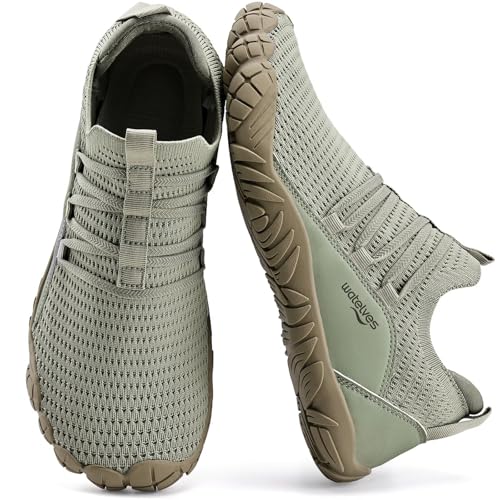
Outsole Traction on Wet Cobblestones and Pavement
European cities are famous for historic stone pavers that become notoriously slippery when wet or polished by centuries of foot traffic. Standard smooth-soled lifestyle sneakers lack the multidirectional grip required to maintain safe footing on uneven roads. Selecting a shoe with dedicated rubber compounds ensures you stay upright when navigating rainy alleyways or damp transit stations.
Look for outsoles made with proven compound formulations like Vibram or specialized sticky rubber with multidirectional lug patterns between three and five millimeters deep. Lugs that are spaced properly shed mud easily while offering adequate surface contact on flat, hard flagstones. If the lugs are too aggressive, they can feel awkward and unstable on smooth indoor surfaces like marble museum floors.
A smart rule of thumb is to choose a hybrid trail-to-street outsole that pairs perimeter lugs for stability with flatter central friction pads. This design distributes your body weight evenly across hard urban surfaces without sacrificing essential trail grip. Prioritizing proven rubber compounds protects your ankles and knees from unexpected slips on steep, damp inclines.
Midsole Cushioning and Long-Distance Shock Absorption
Walking ten to fifteen miles daily on unyielding concrete and stone creates repeated impact that travels straight up through your joints. Without adequate midsole cushioning, travelers often experience heel pain, plantar fasciitis flare-ups, and severe lower back fatigue by mid-trip. High-grade foam technology dampens these harsh impacts so you can explore all day without discomfort.
Examine the midsole material specifications closely, focusing on dual-density EVA, molded polyurethane, or proprietary high-rebound foams. Molded EVA provides an exceptionally lightweight ride with plush initial comfort, while polyurethane maintains its structural density over weeks of heavy use without bottoming out. Premium shoes often incorporate specialized air or gel units in the heel to neutralize sharp ground strikes.
For backpackers carrying heavy loads, a firmer, responsive midsole is generally superior to overly soft, pillow-like foam. Excessively plush midsoles compress quickly under pack weight, destabilizing the heel and increasing muscular strain over long walking sessions. Choosing a balanced, shock-absorbing platform keeps your stride efficient across grueling city tours.
Waterproof Protection Versus Warm-Weather Breathability
Deciding between a waterproof membrane and an airy, breathable mesh upper depends entirely on your travel destinations and seasonal timing. Waterproof liners keep socks dry during unexpected downpours in northern climates but can trap perspiration during hot Mediterranean summers. Matching shoe materials to your itinerary prevents both soggy feet and excessive overheating.
Waterproof shoes utilize specialized internal booties with microporous technology that blocks liquid water droplets while letting vapor escape. While effective in cool or rainy conditions, these membranes inherently dry slower if water manages to splash inside over the collar. In contrast, non-waterproof mesh shoes dry rapidly overnight on a hostel radiator or balcony.
If you plan to visit variable climates, consider applying a durable water-repellent spray to breathable fabric or leather footwear. This treatment sheds light drizzle without completely choking internal airflow during sunny midday walks. Keeping footwear organized in your pack is easy when you learn how to simplify your closet and storage system with proper travel organizers.
| Shoe Category | Primary Advantage | Weight Profile | Best European Setting |
|---|---|---|---|
| Trail Walking Shoe | All-weather grip and durable protection | Moderate | Historic cities, day hikes, mixed trails |
| Waterproof Boot / Low-Cut | Complete moisture protection and support | Heavier | Rainy northern regions, alpine paths |
| Minimalist / Barefoot Sneaker | Ultra-packable, lightweight, natural flex | Ultralight | Warm weather, beach strolls, flat urban terrain |
| Lightweight Walker | Plush step-in comfort and breathability | Light | Museums, train travel, paved boulevards |
Arch Support and Torsional Rigidity
A supportive shoe structure prevents your foot from twisting unnaturally when stepping on cracked curbstones, loose cobblestones, or rough gravel. Torsional rigidity refers to a shoe’s resistance to twisting along its longitudinal axis, which directly supports the arch under heavy loads. Proper internal support minimizes foot fatigue during hours of standing in museum queues.
Check whether the shoe features a molded nylon or thermoplastic shank embedded between the insole and outsole. A rigid or semi-rigid shank reinforces the midfoot arch, preventing the shoe from bending in the middle where your foot needs stability. Removable contoured insoles with reinforced heel cups provide additional customizable alignment for high or low arches.
You can test torsional stability by holding the shoe at the heel and toe, then gently twisting it in opposite directions. A shoe that resists aggressive twisting will shield your tendons from continuous strain on uneven ancient walkways. Investing in strong midfoot architecture prevents premature foot exhaustion across multi-week itineraries.
Toe Box Dimensions and Swelling Accommodation
Feet naturally expand and swell by half a shoe size or more after hours of continuous walking and long-haul flights. Narrow shoes that squeeze the metatarsals quickly lead to painful blisters, bunion irritation, and bruised toenails on downhill cobblestone streets. A generous toe box gives your digits room to splay naturally with every step.
Look for footwear designed with an anatomical or wide toe box that mirrors the natural shape of human feet. Minimalist and barefoot-inspired models often excel here, featuring wide forefoot profiles that eliminate lateral compression entirely. Traditional hikers with protective rubber bumpers should still provide at least a thumb-width of clearance ahead of your longest toe.
When trying on shoes before your departure, always test them in the late afternoon while wearing the exact wool socks you plan to pack. This precaution ensures you do not buy footwear based on morning foot dimensions that will feel tight on the streets of Rome. Proper forefoot volume is essential for blister-free European travel.
Upper Materials and Pack Weight Efficiency
When living out of a carry-on backpack, every ounce of weight and inch of packing volume counts toward overall mobility. Heavy footwear strains your leg muscles during transit days and takes up valuable space when stored inside your luggage. Balancing rugged upper durability with lightweight materials keeps your pack manageable and your gait lively.
Split-grain leather and suede uppers offer remarkable abrasion resistance against scuffs from ancient stone steps, though they add weight and pack bulk. High-tenacity knit and ripstop synthetic mesh uppers dramatically reduce overall shoe weight while compressing flat inside packing cubes. Hybrid designs blend protective leather overlays in high-wear zones with breathable synthetic panels along the sides.
Target a pair weight between 1.5 and 2.5 pounds for traditional walking shoes, or under one pound if selecting minimalist travel sneakers. Lighter footwear preserves your physical energy across long travel days involving multiple train transfers. If you need storage ideas for extra gear in tight hostel quarters, read our advice on how to compare underbed storage options.
Heel-to-Toe Drop and Biomechanical Alignment
The heel-to-toe drop is the height difference between your heel and the ball of your foot, measured in millimeters. Traditional hiking shoes typically feature an eight to twelve millimeter drop, which eases tension on the Achilles tendon during steep climbs. Minimalist and zero-drop shoes position the heel and forefoot level with the ground for a natural posture.
A standard moderate drop of six to ten millimeters works well for travelers accustomed to conventional running sneakers or work shoes. This offset encourages smooth heel-to-toe transitions across paved boulevards and reduces calf strain during prolonged walking. In contrast, zero-drop shoes require an adaptation period to strengthen calf muscles and foot tendons before departure.
If you plan to switch to a zero-drop model for travel, begin wearing it on daily walks several weeks before your trip begins. Sudden transitions to zero-drop footwear during high-mileage backpacking can lead to calf soreness and Achilles strain. Selecting a drop that aligns with your everyday biomechanics prevents unwanted muscle fatigue abroad.
Versatile Styling for Casual Dining and Sightseeing
Packing strictly for a backpacking adventure means one pair of shoes often needs to serve multiple social functions. Technical hiking boots with bright neon accents can look out of place when visiting upscale restaurants, historic churches, or rooftop bistros. Subdued styling allows your walking shoes to blend effortlessly across diverse European settings.
Opt for neutral colorways such as charcoal, slate, black, olive, or earthy brown tones that complement casual travel wardrobes. Premium leather, suede, or dark knit uppers provide a streamlined appearance that pairs cleanly with travel trousers, jeans, or casual dresses. A versatile aesthetic eliminates the need to pack separate bulky evening footwear in your backpack.
Look for clean lines and discreet branding that maintain a sophisticated profile without sacrificing trail-ready underfoot performance. Combining rugged durability with understated urban styling keeps your luggage light and adaptable. Versatile footwear ensures you always feel appropriately dressed from morning cathedral tours to evening dinners.
Why You Should Trust Us
Our editorial team analyzes footwear through an objective, data-driven methodology tailored specifically to the real-world demands of travel and outdoor exploration. We cross-examine manufacturer material specifications, verified hardware compositions, tread rubber compounds, and structural midsole technologies. This analytical approach eliminates marketing hype so you receive honest, practical recommendations for your backpacking journey.
We evaluate key performance metrics including outsole grip ratings on wet surfaces, torsional arch support, breathability profiles, and weight-to-durability ratios across diverse price tiers. Every product is assessed against the unique stresses of European travel, such as repetitive pavement impact and unpredictable weather. We continuously monitor feedback and design updates to maintain accurate, up-to-date guidance for international travelers.
Final Thoughts
Selecting the ideal footwear can make the difference between an unforgettable journey and a trip cut short by painful foot fatigue. For travelers seeking outstanding traction, long-lasting shock absorption, and legendary trail reliability, the Merrell Women’s Moab 3 Hiking Shoe, Falcon, 7 M and its counterpart Merrell Men’s Moab 3 Walking Shoe, Beluga, 10.5 stand out as top performers. Their pig suede construction, supportive Kinetic Fit insoles, and proven heel air cushioning handle historic stone streets with ease.
If you are traveling on a strict budget without compromising vital trail functionality, the NORTIV 8 Women’s Hiking Shoes Lightweight Walking delivers remarkable value. It combines water-resistant materials, a debris-blocking gusseted tongue, and impact-absorbing cushioning for all-day urban exploration. For ultra-packable, minimalist travel, the Barefoot Hiking Shoes for Women and Men offers a flexible zero-drop rubber sole that packs completely flat in your bag.
Travelers tackling rainy northern destinations or rugged alpine paths should consider waterproof footwear like the Merrell Women’s Moab 3 Wp Hiking Shoe or the classic leather construction of the Columbia Men Newton Wander Leather Cordovan/Raw. Investing in supportive, well-crafted footwear ensures your feet remain comfortable from the first train terminal to your final scenic summit. For more packing strategies and gear organization advice, explore our comprehensive how to guides.
Frequently Asked Questions
What makes Best Walking Shoes for Backpacking Europe different from regular running sneakers?
Footwear designed for European backpacking features stiffer midfoot shanks, more durable upper materials, and high-friction rubber outsoles. Running sneakers often have soft, flexible soles that let sharp cobblestones press into your arches, causing foot soreness over long distances. Dedicated travel walking shoes provide structural stability to protect joints under the added weight of a backpack.
Are waterproof shoes necessary for traveling across Europe in 2026?
Waterproof membranes are essential if you are visiting rainy regions like the United Kingdom, Ireland, or Scandinavia during autumn and spring. However, during hot summer months in southern Europe, non-waterproof mesh shoes offer much better breathability to keep feet cool and dry. Selecting the right option depends on your specific seasonal climate and itinerary.
How far in advance should I break in walking shoes before backpacking Europe?
You should begin breaking in new walking shoes at least three to four weeks before your scheduled departure date. Wear them on progressively longer neighborhood walks while carrying your loaded daypack to identify any friction points or hot spots early. Breaking them in properly softens stiff collar materials and allows internal footbeds to mold to your arches.
How many pairs of shoes should I pack for a European backpacking trip?
Most experienced backpackers recommend wearing one sturdy primary walking shoe and packing one lightweight secondary pair in their luggage. A secondary pair, such as minimalist barefoot sneakers or comfortable sandals, lets your main shoes air out between high-mileage days. You can learn how to shop for a closet and storage system on a budget to organize travel gear efficiently at home.
Can I wear minimalist or barefoot shoes for long walking days in European cities?
Minimalist shoes work wonderfully for travelers whose feet and leg muscles are already conditioned to zero-drop geometry and thin soles. They offer wide toe boxes that allow toes to splay naturally, which prevents blisters during long walking tours. However, walking twenty thousand steps on unforgiving concrete without prior conditioning can lead to heel and calf strain.
What are the best socks to wear with walking shoes while traveling?
Merino wool or wool-synthetic blend socks are the gold standard for long-distance European backpacking trips. Merino wool naturally regulates foot temperature, cushions high-impact zones, and resists odor-causing bacteria for multiple wears between washes. Avoid pure cotton socks, as they retain sweat against your skin and rapidly cause friction blisters.
How do I dry wet walking shoes quickly inside a hostel or hotel room?
Remove the insoles immediately, loosen the laces completely, and pull the tongue forward to maximize internal air circulation. Stuff the interior with dry newspaper, paper towels, or clean dry washcloths to absorb trapped moisture from the lining. Never place shoes directly against high electric heat sources, as extreme heat can crack leather and degrade adhesive glues.
How should walking shoes fit to prevent bruised toenails on downhill streets?
Your walking shoes should have roughly a half-inch of space between your longest toe and the front end of the toe bumper. When walking down steep cobblestone streets, this buffer prevents your toes from crashing into the front of the shoe. A secure lacing lock across the midfoot prevents your foot from sliding forward inside the shoe.
Are trail running shoes better than low-cut hiking boots for backpacking Europe in 2026?
Trail running shoes are lighter, dry faster, and offer softer step-in cushioning compared to traditional low-cut hiking boots. However, hiking shoes and boots provide stiffer torsional support and superior upper durability against abrasive stone steps. If you carry a heavier backpack, the added structural stability of a hiking shoe is often beneficial.
How do I prevent slipping on wet marble museum floors and slick stone stairs?
Select footwear with specialized sticky rubber outsoles and broad contact patches rather than tall, rigid, widely spaced hiking cleats. Deep mountaineering lugs can feel like roller skates on polished indoor floors because they offer minimal flat surface contact. Hybrid outsoles balance perimeter traction lugs with flat center siping to grip wet smooth surfaces reliably.




Write Your Review
No reviews yet. Be the first to share your experience!