

Managing front door security has evolved far beyond traditional brass keys and manual deadbolts. Modern homeowners want effortless keyless entry, remote monitoring capabilities, and smooth voice activation through smart home assistants. Finding the Best Smart Locks with Alexa Support for September 2026 gives you the power to lock up hands-free, schedule guest access, and trigger automated nighttime routines with simple spoken phrases.
Many homeowners struggle when choosing a connected lock because communication protocols, battery configurations, and physical security ratings differ significantly between models. Selecting the wrong hardware can lead to dropped connections, rapid battery drain, or frustrating delays when asking your voice assistant to unlock the door. Exploring our comprehensive home and living resources can help you align your hardware choices with your broader household automation goals.
We analyzed 10 leading door locks across diverse price tiers to help you make an informed decision for your home. This guide breaks down the core hardware standards, connectivity protocols, and software features you need to know before upgrading your entryway.






1. Alexa Integration and Wireless Connectivity Protocols
The method your lock uses to communicate with Alexa directly determines response speed, battery efficiency, and connection stability. Direct Wi-Fi models connect straight to your household router without requiring secondary equipment, simplifying installation for beginners. However, integrated Wi-Fi draws significant power from batteries and can occasionally suffer from network congestion in dense device environments.
Advanced architectures utilizing Matter over Thread or Zigbee offer rapid local execution and exceptional energy savings. These protocols pass commands through compatible smart hubs, allowing voice commands to process locally even if external internet service drops momentarily. Thread creates a self-healing mesh network across your home, ensuring commands sent from an Echo device reach the deadbolt with negligible latency.
When selecting a lock, verify whether Alexa voice unlocking requires a spoken security PIN. Amazon Alexa mandates a four-digit spoken code to disarm or unlock entryways to prevent unauthorized visitors from shouting commands through closed windows. Choose hardware that reliably updates its status in the Alexa app so your door routines trigger consistently every evening.
2. Biometric and Keyless Access Methods
Modern keyless locks offer diverse authentication methods including optical fingerprint scanners, contactless palm vein sensors, physical keypads, and touchscreens. High-resolution fingerprint sensors with built-in self-learning algorithms adapt over time to subtle changes in your skin. These biometric readers grant access in under half a second, eliminating the need to search for keys when your hands are occupied.
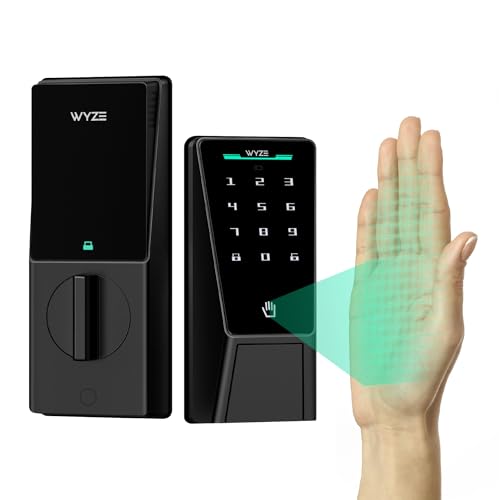
Contactless biometric options like palm vein recognition elevate both hygiene and accuracy by reading vascular patterns beneath the skin surface. Unlike external fingerprint scanners, sub-dermal sensors remain functional even when fingers are wet, dirty, or worn from manual labor. Traditional backlit keypads remain an essential secondary method, providing simple backup access for guests and children without smartphones.
Always balance high-tech biometric entry options with physical durability. Matte touchscreens resist lingering smudge patterns that could reveal your access code to observant passersby. If you frequently host visitors, choose a deadbolt that supports both biometric profiles and versatile digital PIN storage.
3. Mechanical Security and BHMA Certification Standards
A smart lock must first and foremost serve as an unyielding physical barrier against forced entry. The Builders Hardware Manufacturers Association (BHMA) and ANSI establish strict testing standards covering impact resistance, deadbolt strength, and cycle durability. Locks carrying certified BHMA ratings have survived rigorous hammer strikes, kick-in tests, and hundreds of thousands of operational rotations.
Grade 1 certification represents the highest level of residential and commercial security available on the market today. Grade 2 and Grade 3 certifications provide dependable protection for standard residential exterior doorways, though Grade 1 offers the thickest metal housing and superior bolt tensile strength. Inspecting the internal bolt construction ensures the deadbolt will not buckle under blunt lateral forces.
Look for anti-pick cylinders and integrated forced-entry alarms that sound an audible siren when physical tampering occurs. Physical intrusion deterrents work in tandem with digital alerts sent directly to your phone. Investing in certified physical hardware guarantees your smart features rest on a strong physical foundation.
4. Battery Architecture and Power Management
Smart locks rely on battery power to drive their motorized deadbolts, wireless radios, and biometric scanners. Standard configurations utilize either four or eight alkaline AA batteries, while premium alternatives incorporate rechargeable lithium-ion battery packs. The overall battery lifespan typically ranges from six to eighteen months depending on communication protocols and daily usage frequency.
Thread-based locks generally deliver the longest operational life because their low-power mesh radios consume a fraction of the energy required by standard Wi-Fi chips. Dual-battery systems provide added security by keeping a secondary reserve cell charged to power basic keypad functions if the main pack fully depletes. Multi-stage low-battery notifications alert you via mobile push notifications and spoken warnings weeks before power fails completely.
Always verify the presence of external emergency power options on the exterior escutcheon. Modern locks feature an external USB-C emergency port or 9-volt battery contacts at the base, allowing you to jump-start the keypad if the internal cells drain completely while you are traveling.
| Connectivity Type | Average Battery Life | Hub Requirement | Alexa Routine Latency |
|---|---|---|---|
| Direct Built-in Wi-Fi | 4 to 8 Months | No Hub Required | Moderate (1 to 2 Seconds) |
| Matter over Thread | 12 to 18 Months | Thread Border Router | Ultra-Low (Under 500ms) |
| Zigbee 3.0 | 8 to 14 Months | Proprietary Hub Required | Fast (Under 1 Second) |
| Bluetooth Only (Local) | 10 to 12 Months | Wi-Fi Bridge for Remote | Local App Only (No Alexa) |
5. Access Code Customization and Guest Management
Managing access for multiple household members, housekeepers, and service personnel requires flexible credential controls. High-capacity smart deadbolts allow administrators to create anywhere from 50 to 250 distinct user PIN codes. Advanced companion apps let you designate whether a specific passcode functions permanently, recurs on scheduled days, or expires after a single use.
Anti-peep code technology allows users to enter random decoy digits before and after their actual PIN code on the keypad. This clever feature prevents curious neighbors or delivery drivers from deducing your entry sequence by watching your hand movements. Detailed activity logs track precisely which credential was used to open the door alongside an exact timestamp.
For rental properties or short-term guests, remote code provisioning saves hours of coordination. You can generate time-sensitive entry codes from your smartphone while at work without needing to be within Bluetooth range. Check our detailed guides section for additional insights on setting up automated access schedules across your connected home.
6. Intelligent Auto-Locking and Door Position Sensors
The peace of mind offered by a smart lock relies heavily on its ability to secure the door automatically when you leave. Basic locks use simple countdown timers that extend the deadbolt after a set period, regardless of whether the door is open or closed. If a timer triggers while the door is ajar, the extended bolt can damage your doorframe when the door swings shut.
Modern premium deadbolts incorporate internal gyroscopes or external magnetic door position sensors to confirm the door is firmly seated in its frame before engaging the motor. These intelligent sensors prevent motor jams and ensure the bolt only extends when the opening is fully aligned. You can customize the auto-lock delay between ten seconds and several minutes based on your daily routine.
One-touch exterior locking provides another layer of convenience for busy mornings. Pressing any keypad button or dedicated lock emblem as you leave instantly secures the deadbolt without requiring a phone or key. This feature speeds up departures while ensuring your property is never left unsecured.
7. Weather Resistance and Exterior Housing Durability
The exterior keypad of your smart lock must endure extreme temperature swings, driving rain, dust storms, and intense direct sunlight. Ingress Protection (IP) ratings indicate how effectively the exterior escutcheon resists moisture and airborne particulate intrusion. An IP65 rating signifies complete dust-tight construction and protection against water jets from any direction, making it ideal for unsheltered doorways.
Locks designed with IP53 or IP54 ratings provide adequate defense against light rain and dust under covered porches, but may struggle under direct coastal downpours. Operating temperature specifications are equally vital for cold northern winters and hot desert climates. Premium units operate smoothly from freezing lows of minus 31 degrees Fahrenheit up to scorching highs of 158 degrees Fahrenheit.
Examine the construction material of the outer housing and latch mechanisms before making your selection. Solid zinc alloy and forged brass casings offer superior resistance to corrosion and physical impact compared to lightweight plastic assemblies. Durable powder-coated or electroplated finishes preserve the aesthetic appeal of your front door for years.
8. DIY Installation and Door Compatibility
Most smart deadbolts are engineered for straightforward do-it-yourself installation using only a standard Phillips screwdriver. Standard North American exterior doors feature a cross-bore hole diameter of 2-1/8 inches and a door thickness between 1-3/8 inches and 1-3/4 inches. Adjustable latch mechanisms accommodate standard backsets of either 2-3/8 inches or 2-3/4 inches without requiring woodwork modifications.
Innovative mounting brackets and snap-in hardware hold the exterior keypad securely against the door while you connect the internal wiring harness. This hands-free alignment prevents frustrating drops during installation and ensures the interior mounting plate sits perfectly level. Digital interactive apps guide you through calibration and door swing detection to prevent motor strain.
Before buying, verify that your door aligns cleanly with the existing strike plate without requiring you to push or pull the door handle. If your door requires physical pressure to latch, the motorized deadbolt will encounter friction and report a jamming error. Adjusting your strike plate alignment prior to installation ensures quiet and reliable automated operation.
Why You Should Trust Us
Our editorial team specializes in smart home infrastructure, connected security hardware, and IoT communication protocols. We analyze hundreds of technical specification sheets, manufacturer architectural whitepapers, and verified user feedback to identify real-world performance patterns. We focus strictly on measurable metrics like wireless latency, battery longevity, physical security certifications, and ecosystem interoperability.
We maintain an objective, data-driven evaluation model that remains free from commercial manufacturer influence. Our comparisons evaluate hardware performance across entry-level, mid-range, and premium tiers to ensure readers find suitable solutions for their specific budget. You can explore our broader collection of product analyses across our how-to category portal to discover more hardware selection guides.
Smart home standards change rapidly as modern protocols like Matter and Thread continue to expand across connected devices. We regularly audit and refresh our evaluation criteria to reflect modern firmware updates, revised security standards, and emerging wireless technologies. Our mission is to provide transparent, practical guidance that keeps your home secure and connected.
Final Thoughts
Selecting the ideal deadbolt transforms your front entryway from a standard wooden barrier into an automated, highly secure smart home portal. Integrating seamless voice commands with durable motorized locking allows you to secure your home without searching for physical keys. The right choice balances robust physical security ratings with flexible access methods that match your household needs.
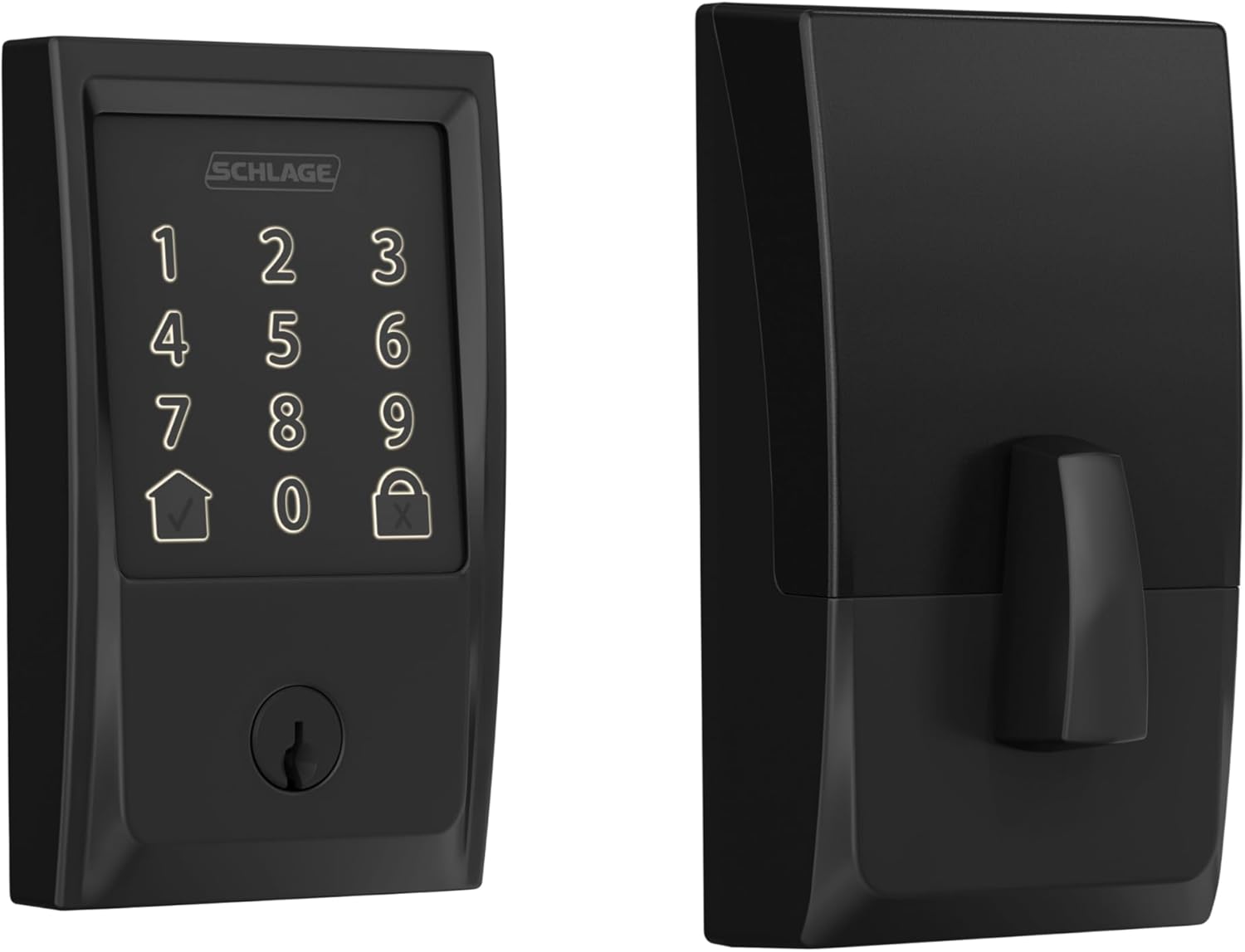
For the best overall smart security experience, we recommend the Schlage Encode Smart WiFi Deadbolt Lock. It combines industry-leading BHMA Grade 1 residential security with built-in Wi-Fi, seamless Alexa voice commands, and exceptional mechanical build quality. It represents an unyielding defense against physical intrusion while providing straightforward remote app management.
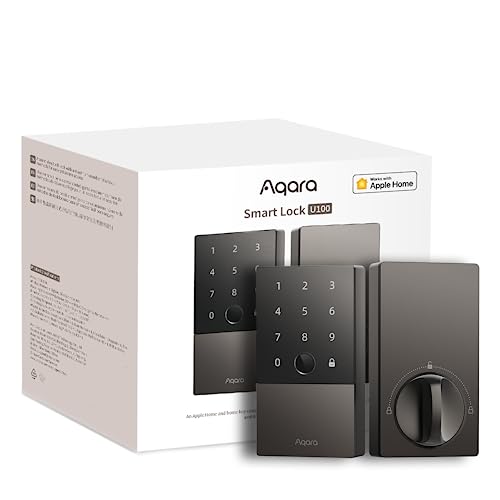
Homeowners seeking maximum value and versatility on a budget should consider the Philips Wi-Fi Smart Deadbolt Lock or the eufy Security Smart Lock C220. Both models deliver rapid biometric fingerprint recognition, direct Wi-Fi connectivity without extra hubs, and dependable Alexa voice compatibility. For futuristic, hands-free proximity unlocking, the Aqara UWB Smart Lock U400, Apple Home Key delivers groundbreaking Ultra-Wideband detection and next-generation Matter over Thread connectivity.
Take time to assess your existing door measurements and Wi-Fi signal strength before making your final selection. Whether you prefer biometric fingerprint scanning, illuminated PIN pads, or completely hands-free proximity unlocking, modern connected locks provide unmatched convenience. Pair your new deadbolt with automated Alexa routines to enjoy effortless everyday security.
Frequently Asked Questions
Can Alexa unlock my smart door lock using voice commands?
Yes, Alexa can unlock compatible smart deadbolts when voice unlocking is explicitly enabled in the Alexa app. For security purposes, Amazon requires you to set and speak a custom four-digit voice code before the command executes. This safeguard prevents unauthorized individuals outside your home from unlocking the door by shouting through windows.
Do I need a separate smart hub to connect my lock to Alexa?
It depends entirely on the wireless communication protocol built into your specific lock model. Locks with built-in 2.4GHz Wi-Fi connect directly to your home router without requiring any additional hardware. Models using Zigbee or Matter over Thread require a compatible smart hub or Thread border router to bridge communications with Alexa.
What happens to my smart lock if the internet goes down?
Your lock continues to function locally using physical keys, biometric fingerprint scanners, and keypad PIN codes even during complete internet outages. Remote app access and Alexa voice commands via cloud services will temporarily pause until your network reconnects. Local automated features like timer-based auto-locking remain fully operational.
What is the top-rated option among Best Smart Locks with Alexa Support in 2026?
The top-rated choices in 2026 balance certified physical security with rapid wireless responsiveness and versatile access methods. Deadbolts offering BHMA certified commercial-grade durability alongside direct Alexa integration represent the most reliable solutions for modern homes. Models featuring multi-ecosystem Matter compatibility also ensure your investment remains future-proof across evolving smart home platforms.
How long do batteries typically last in an Alexa-enabled smart lock?
Standard alkaline battery configurations typically last between six and eight months in Wi-Fi connected smart deadbolts. Devices operating on low-power Matter over Thread or Zigbee protocols can extend battery life up to eighteen months under typical daily usage. Cold weather and frequent motorized locking cycles can slightly reduce overall battery longevity.
Can I include my smart lock in automated Alexa routines?
Yes, smart locks can act as triggers or actions within custom Alexa routines. You can create a nighttime routine that automatically locks your front door, turns off smart lights, and arms your security system with a single spoken phrase. Reviewing our guide on smart home organization offers helpful ideas for organizing automated living spaces.
How do I unlock my door if the smart lock battery dies completely?
Every reputable smart deadbolt includes either a traditional physical mechanical key override or external emergency power terminals. Modern models feature a discrete USB-C port or 9-volt battery contact points on the bottom of the exterior keypad. Connecting a portable power bank provides immediate temporary power to enter your PIN or scan your fingerprint.
Are biometric fingerprint scanners safe and reliable on exterior doors?
Modern semiconductor biometric sensors are highly secure and store encrypted fingerprint templates locally on the lock hardware rather than in the cloud. Advanced algorithms verify sub-dermal live tissue patterns, preventing spoofing attempts with artificial copies or printed images. Weatherproof sensor coatings ensure reliable reading accuracy across diverse outdoor temperatures.
Will a smart deadbolt fit on a standard residential door?
Yes, the vast majority of smart deadbolts are designed to replace standard mechanical deadbolts on pre-drilled exterior doors. They fit standard door thicknesses ranging from 1-3/8 inches to 1-3/4 inches and standard backset measurements of 2-3/8 inches or 2-3/4 inches. Most homeowners complete installation within fifteen to twenty minutes using only a screwdriver.
Can smart locks be hacked through Wi-Fi or Bluetooth?
Reputable smart lock manufacturers utilize bank-grade 128-bit or 256-bit AES encryption across all wireless communications. This encryption prevents unauthorized interception of digital credentials, passcode data, and remote commands. Maintaining strong router passwords and enabling two-factor authentication on your companion apps provides robust protection against unauthorized digital access.




Write Your Review
No reviews yet. Be the first to share your experience!