

Shopping for footwear online often presents challenges with sizing, materials, and long-term durability. Finding the Best Leather Shoes Online in September 2026 means balancing supple full-grain uppers with resilient outsoles built for constant use. Our curated selection of 10 models highlights trusted makers like Merrell, Clarks, OluKai and more to ensure your next pair delivers immediate comfort without premature wear.
Many digital shoppers struggle to differentiate between genuine leather, corrected grain, and premium full-grain materials when viewing product listings. This guide cuts through marketing jargon by analyzing structural stitching, moisture-wicking footbeds, and flexible outsole compounds. Proper shoe selection also ties closely with organized wardrobe care, as detailed in our guide on how to simplify your closet and storage system with shoe rack and jewelry armoire options.
Whether you need formal dress oxfords, casual slip-ons, or rugged chukka boots, our breakdown provides actionable standards for digital shoe shopping. We examine every detail from shock-absorbing midsoles to break-in requirements so you can purchase confidently from home. Explore the top-rated models below before diving into our extensive evaluation criteria.


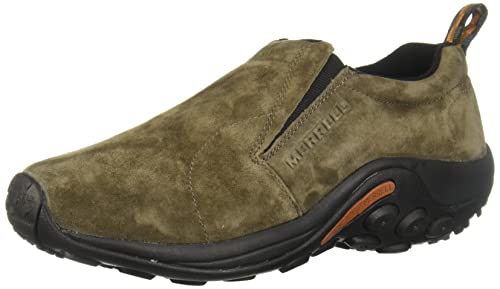


1. Leather Grade and Hide Selection
The grade of hide determines how well a shoe resists scuffs, molds to your foot, and patinas over time. Full-grain leather represents the highest quality tier because the surface grain remains completely intact without artificial buffing. This uncorrected structure retains natural breathability and exceptional tensile strength for multi-year durability.
Top-grain and genuine leather options offer smooth finishes at lower price points but undergo sanding to remove natural surface blemishes. Corrected leathers often receive synthetic topcoats that initially look pristine yet may crack along flex points after repeated bending. When inspecting product specifications, prioritize full-grain or tumbled leather uppers if you require footwear that softens naturally with age.
A practical rule of thumb is to look for pull-up or oily finishes if you prefer rugged, self-healing surfaces for casual wear. Stiffer dress shoes benefit from smooth calfskin or grain-finished hides that take cream polish evenly. Always verify hide terminology in the product listing to ensure you avoid bonded leather composites.
2. Insole Technology and Footbed Cushioning
Internal cushioning separates supportive everyday footwear from uncomfortable pairs that cause foot fatigue by midday. Modern leather designs frequently integrate OrthoLite open-cell foam footbeds that retain compression resistance over hundreds of miles. These footbeds cushion impact while maintaining airflow channels beneath the sock liner to regulate internal heat.
Compression-molded EVA footframes provide structured arch support by dispersing downward body weight across the entire sole surface. Shoes featuring specialized heel pads or air cushions absorb the initial shock of heel strike during long commutes on hard concrete floors. Check whether the interior insole is removable, which allows you to insert custom orthotics if required.
When comparing footbeds, verify whether the manufacturer includes moisture-wicking top covers to prevent sweat accumulation. Layered foam systems that mold to your unique foot shape over time offer the best combination of personalized contouring and shock reduction. Never sacrifice insole density for superficial softness that collapses after two weeks of use.
3. Outsole Construction and Traction Compounds
The outsole compound dictates grip levels, flexibility, and overall wear rates on wet or abrasive walking surfaces. Thermoplastic rubber (TPR) and blown EVA soles deliver exceptional lightweight flexibility suitable for daily office routines and urban pavements. Crepe-textured rubber wedges offer superior casual shock absorption with a distinct heritage aesthetic.
For wet environments or boat decks, look for siped rubber outsoles with razor-cut wave channels that push water away from contact zones. Non-marking compounds prevent dark streaks on hardwood floors while maintaining strong friction across smooth stone and tile. Deep lug patterns offer maximum grip outdoors but can track mud into indoor living spaces.
Balance your traction requirements against the formal tone of your work environment. Sleek dress shoes with low-profile rubber inserts give you reliable grip without disrupting the refined silhouette of a traditional dress sole. Storing seasonal footwear properly also keeps outsoles clean, as highlighted in our review of how to compare underbed storage bin and storage cube options.
4. Upper Stitching and Welt Attachment Methods
The method used to attach the leather upper to the sole directly impacts water resistance, flexibility, and service life. Direct-cemented construction bonds the upper directly to the sole unit using high-strength industrial adhesives, resulting in immediate lightweight flexibility. This approach minimizes break-in discomfort while maintaining a trim profile around the perimeter of the shoe.
Stitched constructions, such as moccasin stitching and perimeter welt seams, provide mechanical reinforcement along high-stress flex zones. Hand-sewn details around the toe box ensure the leather stretches uniformly around your foot without separating at the seams. Dual-needle stitching along stress points like the eyelet facings prevents tearing during tight lace adjustments.
When buying online, zoom into product photography to confirm tight, uniform stitch spacing without loose thread ends. Double-stitched seams along the heel counter and vamp signify thoughtful manufacturing that can withstand aggressive lateral movement. Steer clear of footwear displaying visible adhesive overflow along the welt line.
5. Fit Flexibility and Stretch Panels
Foot volume fluctuates naturally throughout the day as blood circulates and temperature shifts during physical activity. Shoes engineered with dual stretch gore panels flanking the tongue expand effortlessly to accommodate instep pressure during walking transitions. This elasticated integration makes slip-on designs practical for high-instep foot profiles that struggle with rigid lace-up shoes.
Traditional lace-up systems like four-eyelet derbies or two-eyelet chukkas provide customizable tension across the midfoot. A 360-degree rawhide lacing system allows you to cinch the collar around your entire heel perimeter for zero heel slippage. Proper closure geometry prevents blisters by holding the calcaneus firmly against the back counter.
If you possess wide feet or a prominent dorsal arch, select footwear featuring open-lacing derby designs rather than closed-lacing oxfords. The open vamp design spreads wider across the tongue to eliminate pinching. Always measure foot width alongside length to choose between medium (D/M) and wide (EE/W) shoe offerings.
6. Interior Lining and Moisture Management
The interior lining determines how pleasant a leather shoe feels against bare skin or thin dress socks. Genuine pigskin and glove leather linings provide a silky, friction-free feel that naturally absorbs interior sweat without deteriorating. Smooth fabric and soft microfiber linings offer enhanced breathability while drying rapidly between daily wears.
Unlined suede or deconstructed leather uppers maximize ventilation during warm summer months but provide less structural support around the ankle. Padded mesh linings create soft airflow pockets that cushion the top of your foot while dissipating internal vapor. Selecting the right lining material depends on whether your priority is climate control or formal polish.
Check whether the shoe includes anti-microbial treatments on internal liners to prevent odor buildup over extended daily use. Breathable linings prolong the life of the upper leather by preventing moisture from soaking through from the inside. Rotate your leather footwear every other day to allow internal linings to dry completely.
7. Collar Padding and Break-In Prevention
Rigid leather collars are the primary cause of chafing and Achilles tendon blisters during the first weeks of wear. Footwear with integrated 4mm foam padding around the ankle collar creates a plush barrier that cushions sensitive skin from stiff leather edges. Padded heel notches eliminate acute pressure points during sudden ankle flexion.
Pre-tumbled or oil-treated leathers arrive significantly softer out of the box than heavily coated smooth dress leathers. Choosing supple uppers reduces break-in periods from several painful weeks down to a single afternoon stroll. Look for anatomical collar curvature that sits cleanly below the lateral malleolus bone.
A quick rule of thumb for online purchases is to inspect the top rim of the heel counter in side-profile images. Rounded, rolled leather edges or fabric-bound rims indicate immediate wearable comfort without sharp friction spots. Applying leather conditioner to the inner collar can further accelerate break-in on firmer dress styles.
8. Weather Resistance and Waterproofing
Environmental exposure to rain, snow, and street slush quickly degrades untreated leather uppers if not properly shielded. Factory-treated waterproof full-grain leathers utilize hydrophobic tanning processes that seal pores without choking breathability. Waterproof membranes laminated beneath the leather upper block external liquid while releasing internal sweat vapor.
Standard untreated leather footwear requires regular applications of beeswax creams or fluoropolymer water-repellent sprays to repel surface water. Suede and nubuck uppers require specialized hydrophobic nano-sprays to prevent water spotting and nap matting. Check seam sealing specifications to ensure moisture cannot penetrate through stitch perforations.
For wet-weather commuting, prioritize shoes with raised rubber sole perimeters or molded mudguards that elevate leather away from ground puddles. Organizing your entryway with smart seasonal storage solutions, as explored in our closet and storage system on a budget guide, preserves treated leather gear. Always allow wet shoes to air-dry at room temperature away from direct heating radiators.
9. Heel Height, Drop, and Ergonomic Alignment
The heel-to-toe drop and heel stack height dictate posture alignment, lower back strain, and calf muscle extension throughout the day. A standard 1-inch heel height on dress oxfords provides a stable platform that aligns the pelvis without pitching excessive weight onto the metatarsal heads. Flatter zero-drop slip-ons mimic barefoot gait mechanics for a natural foot strike.
Wedge soles distribute downward body mass continuously along the entire foot length, eliminating concentrated pressure beneath the heel bone. This level of weight distribution makes wedge-sole boots ideal for professionals standing on hard retail or warehouse surfaces for hours. Beveled heel edges promote smooth heel-to-midfoot roll during rapid walking strides.
When selecting your preferred heel profile, consider your daily walking volume and surface firmness. Footwear with built-in EVA heel cups provides responsive rebound that protects spinal joints during extended urban walks. Avoid overly high or narrow heels that compromise lateral ankle stability on uneven pavements.
10. Sizing Verification and Measuring Protocols
Purchasing footwear digitally without a physical fitting requires accurate home measurement protocols to avoid size exchange hassles. Place your heel firmly against a vertical wall on a hard floor and measure the distance in millimeters to your longest toe. Measure both feet in the late afternoon when your feet reach their maximum daily expansion volume.
Consult brand-specific size conversion charts carefully because lasting shapes vary substantially across dress, athletic, and boot categories. Slip-on shoes generally require a snug true-to-size fit or a half-size reduction to eliminate heel slippage without laces. Waterproof sneakers with thick plush linings often necessitate sizing up one half-size if worn with dense winter socks.
Always verify the manufacturer’s return policy and exchange window before finalizing your online footwear order. Walk exclusively on clean indoor carpets during your initial home try-on to prevent scuffing the outsoles before deciding on fit. A proper fit provides roughly a thumb-width of clearance ahead of your longest toe.
| Material / Sole Type | Traction Performance | Break-In Period | Best Use Case |
|---|---|---|---|
| Full-Grain Leather with TPR Sole | Moderate (Multi-surface grip) | 1 to 3 wears | Office commutes and business meetings |
| Waterproof Leather with Wet Grip Rubber | High (Wet and dry traction) | Immediate comfort | All-weather casual wear and travel |
| Tumbled Leather with EVA Wedge Sole | High (Shock-absorbing cushion) | Immediate comfort | All-day standing and urban walking |
| Classic Suede with Synthetic Sole | Moderate (Standard dry grip) | 2 to 4 wears | Smart-casual weekend outings |
| Handsewn Leather with Wave-Siped Sole | Maximum (Wet surface grip) | 3 to 5 wears | Boating, docks, and coastal lifestyle |
Why You Should Trust Us
Our editorial approach centers on rigorous technical analysis of footwear materials, anatomical designs, and manufacturing standards. We examine factory specifications, upper hide grades, insole cushioning densities, and lab-tested outsole flex ratings across leading footwear brands. This objective assessment allows us to evaluate real-world comfort and durability without marketing bias.
We continuously track pricing tiers, material updates, and customer fit feedback across the footwear category to keep recommendations fresh and accurate. By analyzing structural blueprints and long-term customer wear patterns, we identify shoes that maintain structural integrity over hundreds of miles. Learn more about our product research methodologies across our extensive collection of curated guides.
Transparency drives our review process from initial selection through final recommendations. We do not accept sponsored placements or complimentary products that influence our rankings. Our selections reflect practical consumer value, structural longevity, and measurable ergonomics for everyday walkers.
Final Thoughts
For an exceptional balance of refined style, supportive footbed engineering, and all-day workplace comfort, our top recommendation is the Clarks Men’s Tilden Cap Oxford Shoe Dark Tan. Its premium full-grain leather upper, discreet stretch gore panels, and moisture-wicking OrthoLite footbed create a flexible fit right out of the box. It easily transitions between weekday office hours and formal evening events without compromising foot alignment.
Shoppers seeking unbeatable value in an everyday dress shoe should consider the Clarks Men’s Bushacre 2 Chukka Boot. This iconic two-eyelet boot pairs durable leather uppers with a resilient synthetic sole that handles heavy pavement use with ease. It remains a dependable wardrobe staple that pairs effortlessly with denim, chinos, and tailored trousers.
If you require complete weather protection combined with modern casual styling, the OluKai Lae’ahi Li ‘ILI Men’s Waterproof Leather stands as our top specialized pick. Built with full-grain waterproof leather and wet-grip rubber traction outsoles, this sneaker handles rainstorms while keeping feet dry and stable. For additional practical lifestyle tips, explore our primary How To hub and our Home & Living category.
Frequently Asked Questions
What is the most versatile option among Best Leather Shoes Online in 2026?
A classic cap-toe derby or oxford crafted from medium tan or dark brown leather offers the greatest styling flexibility. These models pair seamlessly with business suits, dress trousers, and tailored denim across professional and social settings.
How do I determine my correct shoe size when buying online?
Measure your foot length in millimeters against a flat wall in the late afternoon when feet are naturally swollen. Compare your exact heel-to-toe measurement against the specific brand size chart rather than relying on generic size numbers.
How can I soften stiff leather shoes quickly without causing damage?
Apply a high-grade leather conditioner to the uppers and wear the shoes indoors with thick socks for short one-hour intervals. The combination of body warmth and gentle flexing softens the hide fibers naturally without weakening structural seams.
What makes full-grain leather superior to genuine leather?
Full-grain leather utilizes the complete, unsanded outer hide layer, retaining maximum fiber density, water resistance, and breathability. Genuine leather uses lower hide splits that receive artificial stamping and coatings, which wear down much faster.
Are waterproof leather shoes truly breathable in warm weather?
Quality waterproof leather footwear utilizes microscopic membrane pores that block liquid water droplets while permitting internal moisture vapor to escape. Combining waterproof leather with moisture-wicking microfiber liners ensures comfortable temperature regulation throughout the day.
How often should I condition my leather shoes?
Condition your leather footwear every three to six months depending on your local climate and wear frequency. Regular conditioning restores natural oils to the hide, preventing flex cracking and maintaining surface water resistance over years of use.
Do OrthoLite footbeds wear out over time?
OrthoLite open-cell foam retains over 95 percent of its original thickness and cushioning performance over the lifetime of the shoe. This resilient compression set makes it far more durable than standard die-cut EVA foam insoles that flatten out quickly.
What outsole material provides the best grip on wet surfaces?
Soft rubber outsoles equipped with razor-cut wave siping or channeled water dispersion grooves deliver the highest wet traction. These specialized channels channel liquid away from the rubber contact patch to prevent hydroplaning on slick tile or wet boat decks.
Should I size up when buying slip-on leather shoes online?
Slip-on leather shoes should generally be purchased true-to-size or one half-size smaller because they lack laces to cinch excess volume. As the leather uppers break in and stretch slightly, a snug initial fit prevents irritating heel slippage while walking.
How should I store leather shoes to preserve their shape?
Insert cedar shoe trees immediately after taking off your shoes to absorb residual moisture and smooth out vamp creasing. Proper footwear storage ideas are detailed in our helpful guide on shoe rack and jewelry armoire organization setups.


Write Your Review
No reviews yet. Be the first to share your experience!