

Maintaining a lush green lawn or thriving vegetable garden should never jeopardize the purity of your home drinking water supply. Contaminants such as chemical fertilizers, weed killers, and stagnant soil bacteria can easily siphon back into domestic plumbing lines during sudden pressure drops. Installing the Best Irrigation Systems with Backflow Preventers ensures your landscape stays hydrated while your potable water lines remain completely protected from hazardous cross-contamination.
In September 2026, automated yard watering setups have evolved far beyond basic mechanical dials and leaky outdoor spigots. Modern solutions incorporate smart zoning sensors, precision pressure regulators, and certified backflow devices into streamlined setups that prevent water waste. For homeowners exploring comprehensive property upgrades, our home living solutions provide helpful context on managing household utilities efficiently.
We analyzed 7 leading options from respected manufacturers including Rain Bird, Aurelema, ONDAQUA and more across a wide spectrum of yard sizes and garden types. Whether you need a heavy-duty brass vacuum breaker for an underground setup, a micro-drip assembly for raised beds, or an AI-guided smart sprinkler network, this guide delivers practical insights. By understanding plumbing codes and flow dynamics, you can select a reliable system that meets local safety mandates effortlessly.




Backflow Prevention Valve Type and Mechanism
The primary job of any backflow device is to stop non-potable irrigation water from flowing backward into your clean water line. Different valve types serve distinct structural purposes, ranging from atmospheric vacuum breakers to pressure vacuum breakers and integrated anti-siphon valves. Selecting the right valve style depends on whether your system experiences continuous water pressure or operates under intermittent zone cycling.
Atmospheric vacuum breakers are basic units that only function downstream of control valves without continuous pressure. In contrast, pressure vacuum breakers can handle continuous upstream water pressure and protect multiple downstream irrigation zones simultaneously. Integrated anti-siphon valves combine electrical zone actuation with built-in backflow protection, simplifying installation for residential layouts.
A solid rule of thumb is to check if your irrigation lines stay pressurized when the timer is idle. If lines remain continuously pressurized, an atmospheric vacuum breaker will fail and leak constantly, making a heavy brass pressure vacuum breaker mandatory. Always check your local municipal plumbing code to verify which backflow valve categories are legally permissible in your neighborhood.
Plumbing Code Certification and Safety Standards
Irrigation connections tie directly into municipal or private well water lines, making plumbing certifications an absolute priority for safety. Certified devices undergo rigorous pressure fatigue and cross-contamination testing to prove they will not fail under sudden pressure drops. Uncertified valves risk leaking toxic chemicals into household sinks, showers, and cooking water lines during main line breaks.
Look for certifications like UPC from IAPMO or compliance with ASSE standards such as ASSE 1020 or ASSE 1013. These ratings confirm that internal check valves and air inlet seals can withstand water hammer and prolonged chemical exposure. Using certified hardware also protects homeowners from failed municipal building inspections and insurance liabilities.
When reviewing specifications, verify the exact certification stamp cast directly into the brass or molded plastic body of the valve. If a product lacks third-party certification markings, avoid connecting it directly to your primary drinking water line. For step-by-step installation planning, you can explore our practical how-to guides to ensure complete safety compliance.
Operating Pressure Capacity and Pressure Regulation
Water pressure varies drastically between municipal city mains and dedicated garden irrigation zones. While city supply lines may deliver water at 60 to 80 PSI, delicate drip emitters require a steady 20 to 30 PSI to prevent blowout. Heavy-duty brass vacuum breakers are engineered to handle high surges up to 400 PSI without bursting or deforming internal seals.
Mismatched water pressure leads to cracked fittings, uneven spray patterns, and misting that evaporates before reaching plant roots. Incorporating an inline pressure regulator directly downstream of your backflow preventer ensures stable downstream pressure across every branch line. This combination creates a balanced environment where emitters operate at peak efficiency without stressing pipe joints.
Calculate your baseline water pressure with an exterior hose bib gauge before purchasing equipment. If your home water pressure exceeds 80 PSI, pair your backflow preventer with a dedicated 25 PSI regulator for drip lines or a 45 PSI regulator for spray heads. Maintaining proper pressure differentials extends the lifespan of internal diaphragms and prevents premature valve failure.
Smart Scheduling and Multi-Zone Mapping
Modern irrigation systems have transitioned from rigid mechanical dials to intelligent, plant-specific multi-zone mapping controllers. These advanced systems divide your property into micro-climates, directing precise water volumes to turf, shrub beds, and vegetable gardens independently. Combining smart scheduling with backflow protection ensures that high-demand zones do not cause pressure fluctuations that trigger valve chatter.
Smart systems utilize digital mapping to generate custom watering shapes, preventing overspray onto sidewalks, driveways, and fences. Advanced algorithmic controllers adjust runtimes dynamically based on historical soil absorption rates and plant root depths. This level of customization keeps your landscape healthy while drastically reducing monthly utility consumption.
When setting up multi-zone layouts, stagger your zone start times rather than firing all valves simultaneously. Staggered schedules preserve line pressure, keeping backflow preventers sealed tight without intermittent air relief sputtering. Prioritize controllers that allow individual zone flow rate adjustments to match soil infiltration capacities.
Weather Adaptation and Rain Sensor Integration
Automated irrigation systems without weather sensors waste thousands of gallons of water by running during active rainstorms. Weather-adaptive systems utilize integrated local rain sensors and cloud-based meteorological forecasts to pause cycles automatically. This proactive regulation stops overwatering, preventing root rot, fungal infections, and soil nutrient leaching across your yard.
When heavy rain saturates the soil, soil-level water can pool around low-lying sprinkler heads and create back-siphonage risks. Weather sensors shut off system cycles before saturation occurs, maintaining dry air gaps around emitter heads. Furthermore, smart controllers automatically calculate freeze delays to protect backflow components from internal ice expansion damage.
Look for systems offering real-time app notifications when a weather delay activates on your schedule. If you live in an area with erratic seasonal storms, choose a controller with optical rain detection rather than simple hygroscopic discs. Optical sensors react instantly to rainfall, suspending active cycles within seconds of the first drops.
Material Durability and Corrosion Resistance
Irrigation valves and backflow preventers spend their operational lives exposed to harsh outdoor elements, UV radiation, and shifting ground temperatures. The choice of build material dictates whether your system lasts for decades or fails within a few seasons. Heavy forged brass, reinforced composite polymers, and UV-stabilized ABS plastics represent the standard construction tiers.
Heavy-duty thickened brass remains the gold standard for main backflow preventers due to its superior tensile strength and resistance to thread stripping. High-grade brass resists cracking under intense water hammer and handles high-temperature sun exposure without warping. For localized drip zones, engineering-grade poly plastics with metal reinforcement threads offer lightweight, chemical-resistant performance.
In regions with acidic well water or high mineral content, inspect internal seals and metal springs carefully. Opt for stainless steel internal springs and Buna-N or EPDM rubber diaphragms that resist chemical degradation and mineral buildup. Investing in corrosion-resistant materials upfront eliminates unexpected leaks and costly mid-season plumbing replacements.
Filtration and Sediment Management
Clean water delivery is essential for both backflow preventer reliability and clog-free emitter performance. Silt, rust flakes, and algae from municipal lines or well pumps can lodge inside valve seats, preventing backflow flappers from closing tightly. Installing inline filtration upstream or alongside your regulators protects sensitive mechanical parts from abrasive debris.
Drip irrigation emitters have microscopic orifices that clog quickly if water contains suspended particulates. Y-shaped mesh filters with 150 to 200 mesh screens trap fine sediment before it reaches micro-tubing lines. When backflow valves stay free of grit, their internal rubber seats maintain a leak-free seal during every pressure transition.
Clean your filter screens at least twice per watering season to prevent pressure drops across the valve assembly. If you notice a sudden drop in spray distance or emitter output, check the mesh screen for sediment accumulation. Pairing a high-capacity filter with your backflow preventer ensures long-term mechanical reliability and consistent distribution uniformity.
Installation Elevation and Mounting Clearance
Backflow prevention devices rely on gravity and atmospheric pressure to break vacuum siphons effectively. Anti-siphon valves and pressure vacuum breakers must be installed higher than the highest sprinkler head or drip emitter downstream. Failing to mount valves at the correct legal elevation completely negates their ability to prevent back-siphonage into your home.
Standard plumbing regulations require anti-siphon valves to sit at least 6 to 12 inches above the highest point in the downstream zone. If your yard slopes upward, the valve must be positioned above the highest emitter on that elevated terrace. Installing valves below grade in submerged boxes creates cross-connection hazards where groundwater can enter the atmospheric port.
Always measure the vertical rise of your landscape before cementing your valve manifold location. If your yard features significant elevation gains, consider using an upstream pressure vacuum breaker mounted high on the exterior wall. This configuration allows downstream zone valves to be placed at lower elevations without violating safety codes.
Winterization and Maintenance Accessibility
Freezing temperatures represent the single greatest threat to outdoor backflow preventers and irrigation manifolds. Water trapped inside brass valve bodies expands upon freezing, cracking heavy castings and destroying delicate internal check assemblies. Designing an irrigation layout with dedicated drain valves and test cocks makes annual winterization fast and foolproof.
Pressure vacuum breakers and anti-siphon units feature manual bleed screws and test ports that permit complete air evacuation. Using compressed air to blow out remaining water before the first freeze protects expensive brass components from structural failure. Choosing components with accessible union fittings allows for quick removal and indoor storage during harsh winter months.
Insulate exposed above-ground backflow valves with weatherproof thermal pouches during early autumn frosts. When performing spring startup, open manual shutoff valves slowly to avoid sudden pressure spikes that can damage delicate diaphragm seals. Regular seasonal inspection keeps your system compliant with municipal standards and operating smoothly year after year.
| System Configuration | Pressure Tolerance | Installation Rule | Best Application |
|---|---|---|---|
| Pressure Vacuum Breaker | Up to 400 PSI | 12 inches above highest outlet | Main lines with continuous pressure |
| Anti-Siphon Valve | Up to 150 PSI | 6 inches above highest head | Individual residential spray zones |
| Faucet Drip Kit | Up to 80 PSI (Regulated to 25 PSI) | Direct outdoor faucet attachment | Raised garden beds and container pots |
| Smart Smart Sprinkler | Standard municipal range | Above-ground yard placement | Automated multi-zone turf coverage |
Why You Should Trust Us
Our review methodology centers on rigorous technical evaluation and objective engineering analysis. We examined manufacturer specifications, hydraulic flow curves, third-party plumbing certifications, and material durability standards across 7 leading products. By cross-referencing industry standards from organizations like IAPMO and ASSE, we isolate hardware that delivers true backflow protection and reliable water management.
Rather than relying on marketing claims, we evaluate structural build quality, pressure thresholds, and real-world installation flexibility. We assess how effectively each component handles common plumbing challenges such as water hammer, UV degradation, and sediment accumulation. For broader advice on maintaining household hardware, our bath and home maintenance guides provide practical recommendations for homeowners.
We maintain our comparisons dynamically to reflect current market revisions, updated plumbing codes, and emerging smart irrigation technologies. Our data-driven focus guarantees transparent, unbiased recommendations tailored to diverse landscape sizes and municipal requirements. Readers receive clear, actionable guidance to make informed decisions for their properties.
Final Thoughts
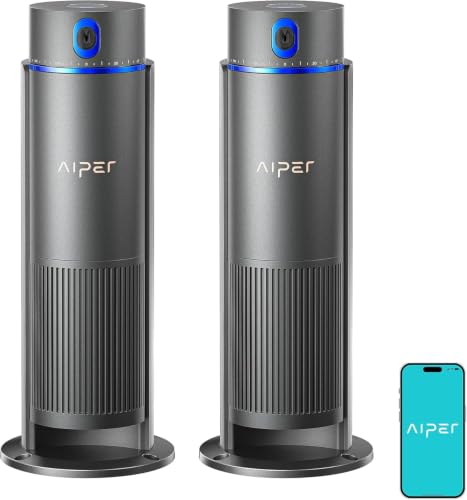
Choosing the Best Irrigation Systems with Backflow Preventers comes down to matching your landscape scale with appropriate hydraulic protection. If you manage a large residential lawn requiring autonomous scheduling and high water efficiency, the Aiper IrriSense 2 Smart Sprinklers for Yard stands out as our top overall smart pick. Its integrated plant mapping and weather-adaptive rain sensing conserve up to forty percent more water while eliminating complex multi-box installations.
For homeowners building traditional underground zone manifolds or upgrading municipal compliance, the 【UPC® Certified】1″ Brass Pressure Vacuum Breaker is the ultimate heavy-duty safeguard. Built from thickened corrosion-resistant brass and rated up to 400 PSI, this certified unit delivers the structural durability required for continuous pressure lines. Pairing it with dependable zone valves like the Rain Bird DASASVF100 Professional Anti-Siphon creates an unbreachable barrier against potable water contamination.
Gardeners tending to raised vegetable beds, flower borders, or container plants will find incredible value in the Aurelema 2 Pack Drip Irrigation System Kit. This all-in-one assembly combines a backflow preventer, a 25 PSI pressure regulator, and a sediment mesh filter into a direct faucet attachment. To learn more about organizing tools and home project spaces, check our storage and organization systems guide.
Investing in high-quality backflow protection guarantees peace of mind every time your automated irrigation cycle activates. Protect your drinking water, maintain optimal line pressure, and enjoy a vibrant landscape by selecting hardware engineered for safety and efficiency.
FAQs
Why is a backflow preventer required on residential irrigation systems?
Irrigation backflow preventers stop non-potable water, fertilizers, and ground bacteria from siphoning into your drinking water lines. When municipal water pressure drops during a fire or main break, negative pressure can pull outdoor water back into home faucets without proper valves.
What is the top-rated option among Best Irrigation Systems with Backflow Preventers in 2026?
The top-rated solution depends on your yard configuration, but heavy-duty certified brass vacuum breakers paired with smart multi-zone controllers offer the best performance. These setups combine strict plumbing code compliance with automated weather-adaptive scheduling to conserve water.
How high above the ground must an anti-siphon valve be installed?
Plumbing codes generally require anti-siphon valves to be installed at least six inches above the highest sprinkler head or emitter in the downstream zone. This vertical clearance ensures the internal atmospheric vent opens properly to break any potential reverse siphon.
Can a pressure vacuum breaker be installed indoors or underground?
Pressure vacuum breakers must always be installed above ground in an open outdoor area or ventilated utility space. Because they vent air and water during normal operation, installing them underground in a submerged pit can draw contaminated groundwater directly into the clean supply line.
How does a pressure regulator work alongside an irrigation backflow preventer?
A backflow preventer stops reverse water contamination, while a pressure regulator reduces high main line water pressure down to safe operating levels. In drip systems, the regulator prevents delicate tubing and emitter fittings from blowing apart under high municipal pressure.
What causes an irrigation backflow preventer to leak water continuously from the vent?
Continuous venting usually indicates sediment or mineral scale trapped under the internal rubber check seat or a damaged internal spring. Flushing the valve or replacing the internal rubber seal assembly normally resolves continuous leaking without requiring a full valve replacement.
How do smart irrigation controllers reduce seasonal water waste?
Smart controllers utilize real-time weather data and rain sensors to skip unnecessary watering cycles before or during storms. They also calculate customized runtimes based on plant type and soil absorption rates, preventing water runoff and over-saturation.
Do drip irrigation kits require backflow preventers just like turf sprinklers?
Yes, drip irrigation systems require backflow preventers because emitters sit directly in garden soil where fertilizers and pesticides concentrate. Without backflow protection, back-siphonage can draw contaminated garden soil water straight into your outdoor hose spigot.
How often should residential backflow prevention valves be inspected?
Homeowners should visually inspect backflow valves every spring before pressurizing the irrigation system for the warm season. In many municipalities, testable backflow assemblies on main irrigation lines require annual certified testing to maintain local code compliance.
Can freezing winter temperatures crack a brass backflow preventer body?
Water left inside a brass valve body expands upon freezing and can easily crack heavy castings and internal poppets. Proper winterization requires draining the valve completely or blowing out residual water with compressed air before sub-freezing temperatures arrive.






Write Your Review
No reviews yet. Be the first to share your experience!