

Riders and fashion enthusiasts often struggle to find footwear that transitions seamlessly between the barn and casual city life. Authentic equestrian footwear requires specific safety heel profiles and secure shafts, while everyday walking demands plush footbeds and flexible materials. Our guide to Best Casual Horse Riding Boots solves this dilemma by evaluating 5 versatile selections updated for September 2026.
Many buyers mistakenly invest in fashion-only boots that lack stirrup safety, or rigid competition boots that cause blisters during normal walking. Modern footwear design now blends reinforced synthetic leathers with ergonomic rubber outsoles, giving you reliable performance across both environments. You can explore our extensive collection of shopping advice in our expert shopping guides to see how we evaluate lifestyle gear.
Whether you need a dedicated boot for light schooling sessions or a polished tall silhouette for fall outfits, this breakdown helps you choose the right balance of support, warmth, and durability. We cover everything from calf sizing measurements to zipper hardware resilience so you get the best value for your wardrobe.
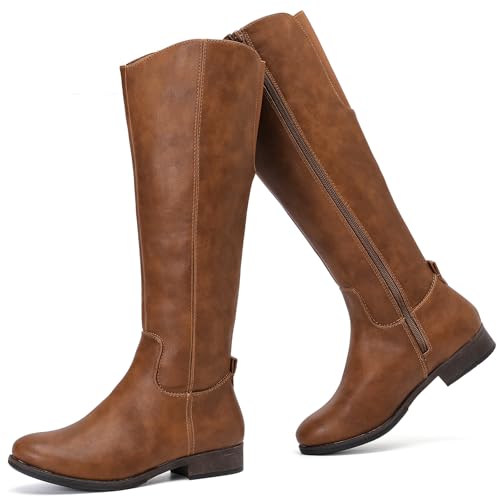


Buying Guide for Best Casual Horse Riding Boots
Shaft Height and Calf Measurement Accuracy
Shaft height is the foundation of any riding boot silhouette because it dictates leg protection and overall posture. A proper tall boot should rise just beneath the kneecap when standing, allowing comfortable knee flexion when seated in a saddle or at a desk. Measuring from your heel floor base up to the bend of your knee provides your target shaft clearance.
Calf circumference variation causes the majority of fitting complaints among casual riders. Standard shafts typically accommodate calves between 14 and 15.5 inches, while wide-calf designations extend up to 17 inches or more. Look for integrated elastic gussets along the rear zipper line to give your calf 0.5 to 1 inch of flexible expansion.
Always measure your calves over the exact trousers or breeches you plan to wear. Measuring bare skin often leads to purchasing boots that pinch once you tuck in winter leggings or heavy denim. A snug fit without painful constriction ensures your legs stay warm and supported throughout the day.
Outsole Traction and Stirrup Safety Features
The outsole of an equestrian boot serves two opposing purposes that require smart engineering. For riding, the sole must feature a distinct heel of at least one inch to prevent your foot from sliding forward through the stirrup iron. Smooth or lightly textured forefoot treads ensure an effortless, safe release in case of a sudden dismount.
For casual walking on pavement, barn aisles, or slick grass, excessive smoothness creates a dangerous slipping hazard. High quality hybrid boots use textured non-slip rubber compounds with shallow, multidirectional siping. This layout delivers steady pedestrian grip without creating deep aggressive lugs that could catch in a saddle iron.
Inspect the transition zone between the heel breast and the arch bridge before buying. A well-defined 90-degree heel drop offers dependable stirrup placement, while a bevelled or rounded heel suits fashion walking exclusively. Balancing these two traits ensures safe equine interaction and steady footing on wet sidewalks.
Synthetic Leather Upper Construction and Durability
Modern synthetic leather has evolved into a durable, weather-resistant alternative to traditional full-grain cowhide. Premium polyurethane composites mimic the supple grain and sheen of natural leather while resisting barnyard acids, moisture, and mud. These synthetic uppers require minimal conditioning compared to high-maintenance calfskin.
When assessing synthetic uppers, look for thickness and surface elasticity rather than paper-thin vinyl coatings. High-grade PU leather bends smoothly without developing sharp surface creases that crack over repetitive cycles. Reinforced panels along the inner calf protect the boot against saddle friction and leg contact.
Maintaining synthetic footwear is straightforward and cost-effective. A simple damp cloth removes dust and stable grime without stripping natural oils or demanding expensive leather balms. Organizing your seasonal footwear using tips from our shoe rack and closet organization guide keeps synthetic shafts upright and crease-free.
Closure Systems and Hardware Durability
The closure system dictates how easily you can put on and remove tall boots each morning. Full-length inside zippers offer a smooth exterior profile and fast entry, making them ideal for casual wear and daily commuting. Rear zippers paired with snap protector tabs provide a traditional equestrian look and align well with stirrup biomechanics.
Hardware quality directly influences the functional lifespan of any tall boot. Sturdy metal or heavy-gauge nylon coil zippers resist separation under calf tension better than fine fashion zippers. Check for reinforced stitching along zipper tapes, as weak seams can unravel under repetitive flexion.
Decorative hardware like ankle harness buckles and spur rests adds distinct visual character. Ensure all metallic elements are securely riveted through backing plates rather than glued onto surface fabric. High-grade buckles should lay flat against the ankle to prevent snagging on stirrup leathers or long coats.
Footbed Cushioning and Ergonomic Arch Support
Standard competition boots often prioritize ground feel over footbed softness, leaving your soles fatigued after long walks. Casual riding hybrid designs incorporate cushioned EVA insoles and contoured foam padding to absorb daily heel impacts. This added damping makes a noticeable difference when walking on asphalt or hard concrete barn floors.
Arch support structure determines how well your feet endure all-day standing. Look for boots that feature built-in composite or steel shanks between the outsole and footbed. A rigid shank distributes your body weight across the entire sole, preventing premature arch strain in the stirrup or on foot.
If you require custom orthotics, check whether the interior factory footbed is removable. Sizing up by a half size can accommodate specialized gel inserts or thick equestrian wool socks. Proper underfoot cushioning transforms a tall boot from a single-hour garment into an all-day staple.
Weather Resistance and Thermal Lining
Riding outdoors in transitional seasons exposes your footwear to cold drafts, morning dew, and slushy ground. A tall knee-high shaft naturally creates an insulating air barrier that protects your shins and calves from wind chill. Breathable fabric linings help regulate interior temperature by wicking moisture away from your skin.
Water resistance depends largely on seam construction and zipper placement. While synthetic leather panels naturally repel rain, unprotected zipper tracks can allow moisture penetration during heavy downpours. Look for internal draft flaps behind zippers to block moisture and chilly air during outdoor activities.
For colder autumn and winter climates, consider boots with soft brushed tricot or fleece interiors. These linings trap ambient body heat without adding bulky layers that alter your calf fit. Proper thermal management keeps your toes warm without causing uncomfortable perspiration during indoor wear.
Ankle Articulation and Flex Panel Integration
Traditional dress boots possess a stiff ankle box that restricts walking mobility until fully broken in. Casual equestrian styles solve this by incorporating supple ankle cuts and elasticated stretch zones. This engineering allows your foot to flex naturally from heel strike to toe-off during regular walking strides.
Elasticized inserts near the throat or along the rear shaft provide dynamic give when you bend your ankles. This flexibility prevents deep, painful leather folds from pressing into your Achilles tendon. Riders benefit from this mobility because keeping heels down requires uninhibited ankle flexion.
Examine the ankle width when trying on new boots to ensure it matches your foot structure. An excessively loose ankle causes heel slippage and friction blisters, while a tight ankle restricts blood flow. A balanced ankle cup holds the heel securely in place while allowing smooth movement.
Style Versatility and Wardrobe Integration
A primary appeal of casual riding boots is their ability to complement diverse wardrobe aesthetics. Classic equestrian lines pair naturally with tailored blazers, chunky knit sweaters, and skinny denim. Rounded toe profiles offer timeless elegance while giving your toes ample room to splay naturally.
Subtle embellishments like harness straps, burnished toe caps, and discreet buckle accents elevate casual outfits without appearing gaudy. Polished black and rich tan shades remain the most versatile color options for autumn and winter wardrobes. These neutral tones integrate seamlessly with both neutral palettes and vibrant seasonal colors.
Selecting a design with clean lines lets you transition effortlessly between informal stable visits, casual office environments, and evening dinner plans. For more practical storage solutions to keep your footwear collection tidy, explore our How To home storage guides.
Key Specification Comparison
| Boot Model | Shaft Style | Heel Profile | Closure Type | Primary Focus |
|---|---|---|---|---|
| HORZE Rover Equestrian | Tall Structured | 1.25 in Riding Heel | Rear Zip with Elastics | Dedicated Riding and Barn Utility |
| Vepose Buckle Riding Boot | Knee High Smooth | 1.25 in Low Block | Inside Full Zip | Casual Fashion and Light Commuting |
| Ruiee Knee High Riding | Knee High Classic | 1.0 in Low Heel | Side Zipper | Daily Casual and Seasonal Styling |
| Ruiee Slouchy Fashion | Knee High Relaxed | 1.0 in Low Heel | Side Zipper | Urban Fashion and Layered Outfits |
| Ruiee Tall Fashion Boot | Knee High Structured | 1.0 in Low Heel | Side Zipper | Cold Weather and Fall Wardrobes |
Why You Should Trust Us
Our product evaluations rely on structured objective comparisons of technical specifications, material performance data, and real-world consumer feedback. We examine structural factors including outsole thickness, zipper failure rates, shaft flexibility, and synthetic leather resilience across multiple price tiers. This data-driven approach removes subjective marketing hype to deliver balanced recommendations.
We continuously track updates across footwear lines to monitor running manufacturing changes, sizing updates, and closure enhancements. Our analysis focuses on how well products perform for real users over months of everyday wear. We do not accept sponsored placements or brand kickbacks, ensuring our guidance remains strictly focused on buyer value.
Final Thoughts
Selecting the ideal footwear depends on how frequently you plan to ride versus wear your boots on the street. For authentic equestrian safety combined with durable materials, the HORZE Rover Women’s Synthetic Leather Equestrian is our top pick. Its reinforced inner leg panels, rear flex gussets, and dedicated spur rests make it the most capable riding performer on our list.
If you want a versatile wardrobe staple that delivers exceptional value, we recommend the Vepose Women’s Knee High Riding Boots with Buckle. This model combines a comfortable low block heel with an attractive ankle harness accent and easy inside zipper, making it perfect for daily errands and casual office wear.
For those prioritizing lightweight all-day comfort for fall layering, the Ruiee Women’s Knee High Boots Riding Fashion offers a clean profile and snug calf fit. Sizing up a half size ensures a cozy fit over thick seasonal socks. Discover more lifestyle tips and home organization recommendations across our Home and Living collection to keep your gear organized all year long.
FAQs
Can you wear casual riding boots for real horse riding?
True riding boots require a dedicated heel of around one inch to prevent foot slippage in stirrups, along with a relatively smooth sole. Authentic models like equestrian tall boots meet these criteria, while purely fashion-focused boots often lack the structural reinforcement and safe tread profile required for real riding.
What is the top-rated option among Best Casual Horse Riding Boots in 2026?
The top-rated selection in 2026 depends on your primary use case. For functional equestrian activities, the Horze Rover provides true saddle performance, whereas casual fashion wearers prefer versatile options from Vepose and Ruiee for street style.
How do I measure my calf size for tall riding boots?
Sit in a chair with your feet flat on the floor and your knees bent at a 90-degree angle. Wrap a flexible tailor tape around the widest part of your calf while wearing your usual breeches or jeans to find your correct circumference.
Are synthetic leather riding boots waterproof?
Synthetic PU leather repels surface water and mud naturally, keeping your legs dry in light rain. However, the boot zipper tracks and stitched seams can allow water penetration if submerged in deep puddles or standing water.
How should riding boots fit around the ankles and knees?
Tall boots should fit comfortably snug around the calf without pinching or restricting circulation. The top of the shaft should sit just below the kneecap, allowing you to bend your leg fully without the collar digging into your tendons.
Do casual riding boots stretch out over time?
Synthetic leather boots do not stretch as significantly as genuine cowhide leather. While elastic gusset panels will soften and conform slightly to your leg shape, you should choose a size that fits comfortably from day one.
How do I clean and maintain synthetic riding boots?
Wipe down the synthetic uppers with a damp microfiber cloth to remove dust, arena dirt, and mud after each use. You can use mild soapy water for stubborn marks, followed by drying with a clean towel away from direct heat sources.
What is the ideal heel height for a casual equestrian boot?
An ideal equestrian heel height is between 1.0 and 1.25 inches with a flat, distinct breast. This heel size ensures your foot stays safely anchored in the stirrup while providing comfortable ergonomic support for normal walking.
Can I wear thick winter socks with these boots?
Many fashion riding boots fit true to size with standard tights or thin socks. If you plan to wear heavyweight wool socks or thermal winter leggings, ordering a half size larger provides the necessary room in the toe box and calf.
Why do some riding boots have rear zippers instead of inside zippers?
Rear zippers are traditional in equestrian footwear because they keep the inner calf surface smooth to avoid rubbing against the horse. Inside zippers are common on casual lifestyle boots because they make pulling the boots on and off faster.





Write Your Review
No reviews yet. Be the first to share your experience!