
Reupholstering a chair or patching a sagging sofa cushion comes down to one small but critical tool: the staple gun. Choose the wrong one and staples bend, pop loose, or leave your fabric puckered. Choose the right one and you get clean, tight lines that hold for years. This guide walks you through exactly what to look for so the staple gun you buy actually matches the furniture repair kit you’re building.
Why the Right Staple Gun Matters for Upholstery Work
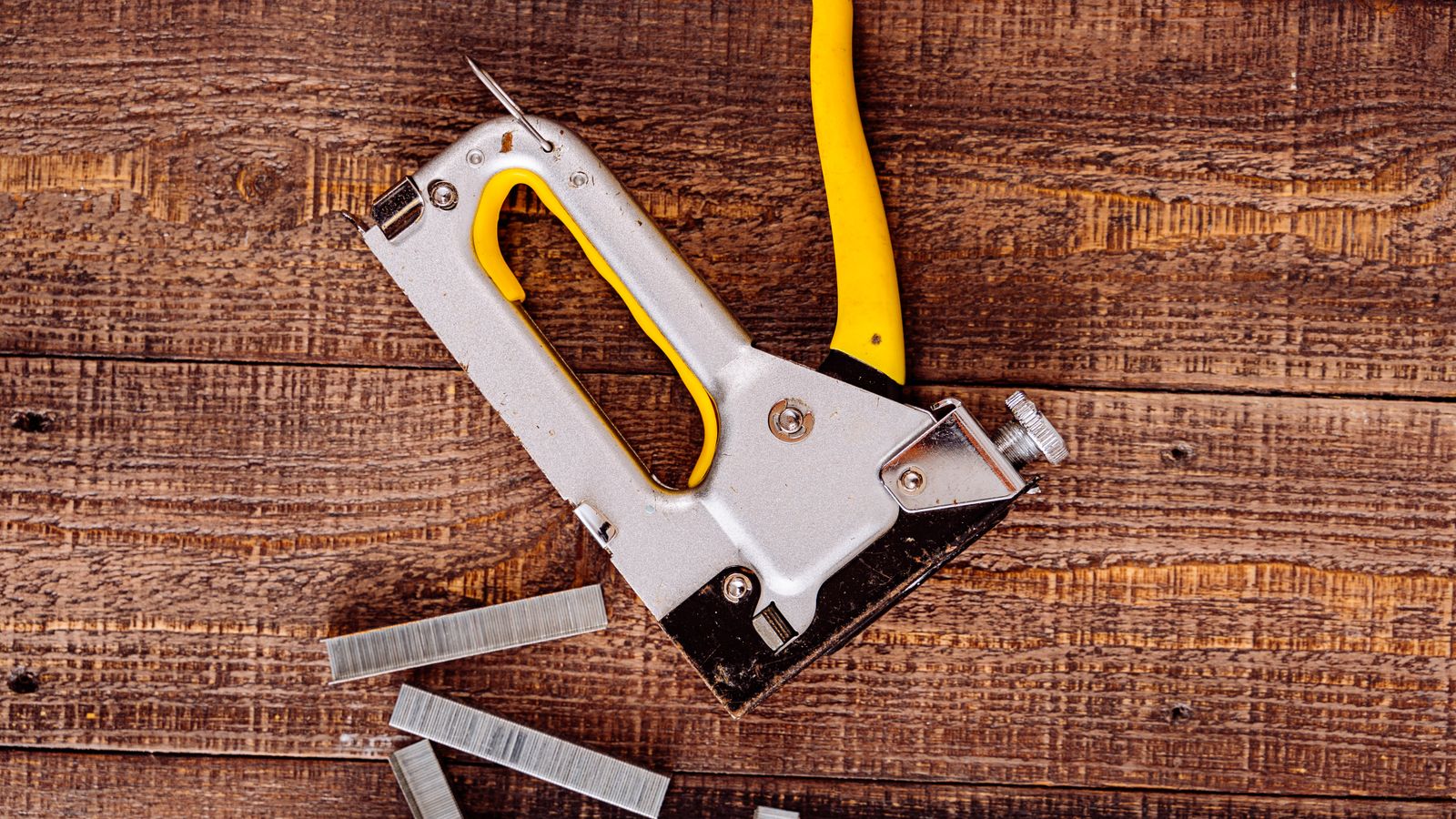
Not all staple guns are built for fabric and wood frames. A gun designed for insulation or roofing drives staples too deep, splits thin hardwood, or simply lacks the fine control needed to keep upholstery fabric taut without tearing it. An upholstery-specific staple gun balances driving power with precision, letting you place staples close to the fabric edge without splitting the wood underneath or crushing delicate material. If you’re assembling a furniture repair kit, this tool sits right alongside your fabric, foam, and webbing as a core essential.
Manual, Electric, or Pneumatic: Picking a Power Type
Manual Staple Guns
Manual (hand-squeeze) staple guns are the most affordable and portable option. They require no cords, batteries, or air compressors, making them ideal for occasional repairs, small projects, or anyone just starting to build a home furniture repair kit. The trade-off is fatigue: driving dozens of staples into hardwood by hand can strain your grip, and depth consistency depends entirely on your squeeze pressure.
Electric Staple Guns
Electric staple guns plug into an outlet or run on a rechargeable battery, giving you consistent driving force with a simple trigger pull. They’re a strong middle ground for hobbyists tackling multiple chairs, ottomans, or headboards, since they reduce hand fatigue while still staying budget-friendly compared to pneumatic tools.
Pneumatic Staple Guns
Pneumatic (air-powered) staple guns are the choice of professional upholsterers. They deliver the fastest, most consistent staple placement and can handle dense hardwood frames without effort. The catch is you need an air compressor and hose, which adds cost and reduces portability. If you’re only doing occasional DIY repairs, this is likely overkill, but if you’re outfitting a serious furniture restoration kit, it’s worth the investment.
Staple Size and Gauge Compatibility
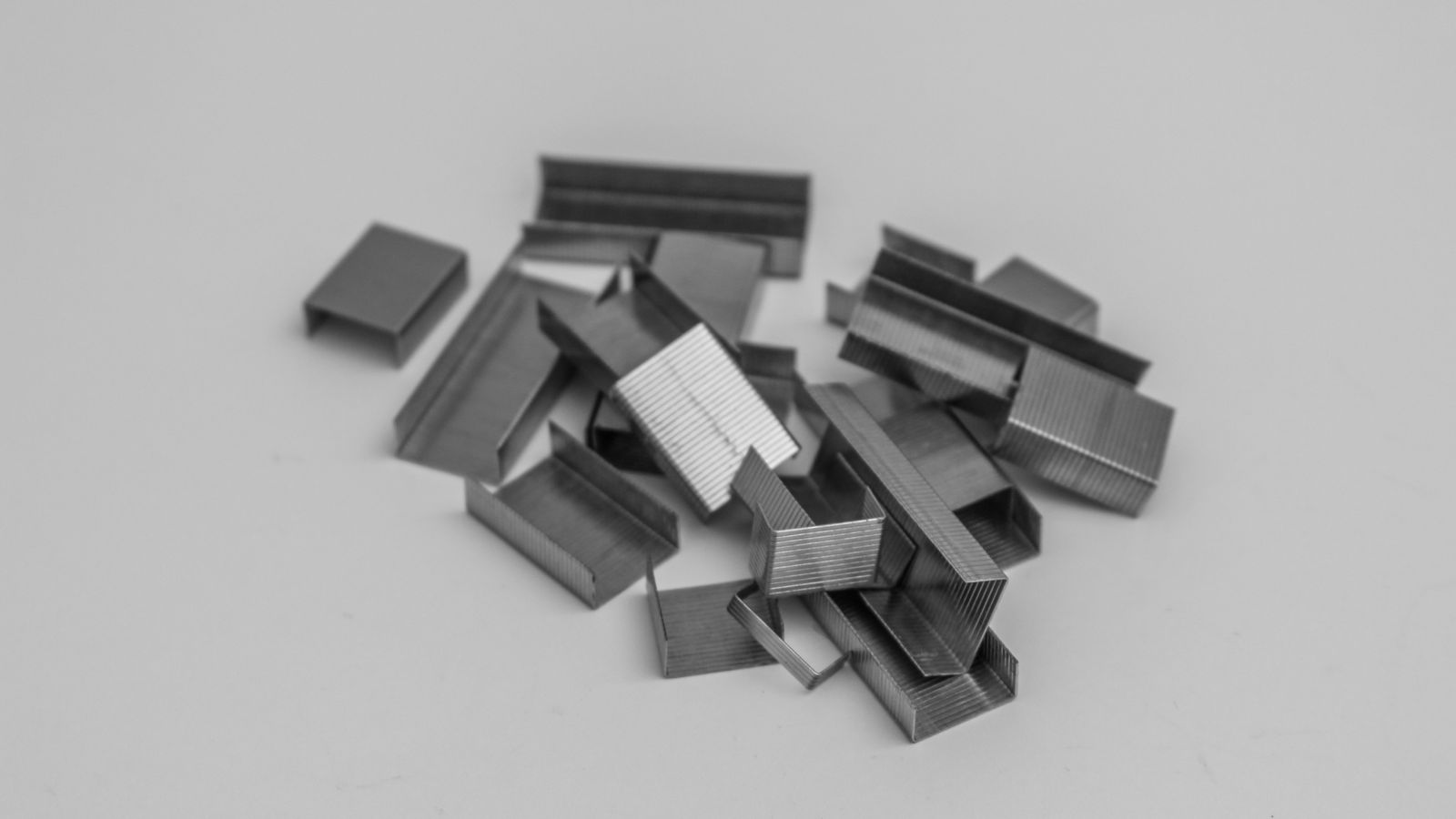
Upholstery staples typically come in leg lengths from 1/4 inch to 1/2 inch and in narrow or wide crown widths. A narrow crown (around 1/4 inch) is better for delicate fabrics and tight corners, while a wider crown spreads holding power across more fabric surface, which is useful on heavier upholstery like denim or vinyl. Before buying a staple gun, check exactly which staple sizes and gauges it accepts, since many models are locked to a specific brand’s proprietary staples. A gun with broad size compatibility gives you far more flexibility as your repair kit grows to include different fabric weights.
Adjustable Depth Control
Depth control is arguably the single most important feature for upholstery work. Too shallow and staples sit proud of the fabric, snagging clothing or looking unfinished. Too deep and they tear through fabric fibers or crack thin wood trim. Look for a staple gun with a dial or lever that lets you fine-tune driving depth for different materials, from thin cotton to thick vinyl over hardwood. This single feature often separates a frustrating repair job from a professional-looking finish.
Ergonomics and Grip
Upholstery repairs often involve dozens or even hundreds of staples per project, so how the tool feels in your hand matters more than it might seem. Look for a comfortable, non-slip grip, a trigger that doesn’t require excessive force, and a weight you can hold steady for extended periods. Heavier pneumatic guns reduce arm fatigue since the compressor does the work, while lighter manual and electric guns are easier to maneuver into tight corners of chair frames and armrests.
Jam Clearing and Maintenance
Even quality staple guns jam occasionally, especially when working with dense hardwood or stacked layers of fabric and batting. Choose a model with a tool-free or easy-access jam-clearing mechanism so you’re not disassembling the whole gun mid-project. Also consider how easy the magazine is to reload; a smooth-sliding magazine that locks securely saves time when you’re stapling long runs of fabric around a cushion or seat base.
Budget Considerations
Manual staple guns are the most budget-friendly option and a smart starting point if you’re only doing occasional repairs. Electric models sit in the mid-range and offer noticeably better consistency for the price. Pneumatic guns cost more upfront, especially once you factor in a compressor, but they pay off in speed and reliability if you plan to reupholster multiple pieces or take on repair work regularly. Match your spending to how often you’ll actually use the tool rather than buying the most powerful option available.
Building a Complete Furniture Repair Kit Around Your Staple Gun
A staple gun works best alongside the right supporting tools and materials. Beyond staples themselves, a well-rounded repair kit typically includes a staple remover, fabric scissors, a webbing stretcher, upholstery foam, and batting. If your project involves furniture that tends to shift or tip during repairs, pairing your kit with furniture straps for safety keeps larger pieces stable while you work. And once your repaired furniture is back in place, best furniture anchors can help prevent tipping hazards, particularly with taller reupholstered pieces like headboards or bookcases positioned near the repair area.
Common Mistakes to Avoid
- Buying a staple gun without checking staple compatibility first, leading to hard-to-find replacement staples.
- Skipping depth adjustment and driving every staple at full power regardless of fabric thickness.
- Choosing a heavy-duty pneumatic gun for light, occasional repairs when a manual or electric model would suffice.
- Overlooking grip comfort, which leads to hand fatigue and uneven staple placement on longer projects.
- Ignoring jam-clearing design and ending up with a tool that’s a hassle to maintain mid-project.
Step-by-Step: Testing a Staple Gun Before You Buy
- Check the specification sheet or packaging for supported staple leg lengths and crown widths.
- Confirm whether depth control is adjustable or fixed, and prefer adjustable models for varied fabric types.
- Hold the gun (in-store or via return-friendly online purchase) to assess grip comfort and trigger resistance.
- Look up how the magazine loads and whether jam clearing requires tools or disassembly.
- Match the power type (manual, electric, pneumatic) to how frequently you expect to use it.
- Read verified buyer reviews focused specifically on upholstery use, not general construction stapling.
- Factor in the cost of replacement staples over time, not just the upfront tool price.
Frequently Asked Questions
What staple gun is best for beginners?
A manual or electric staple gun with adjustable depth control is best for beginners. Manual guns are the most affordable way to learn technique, while electric models add consistency without a steep learning curve.
Can I use a regular staple gun for upholstery?
General-purpose staple guns can work in a pinch, but they often lack the fine depth control and narrow-crown compatibility needed for clean upholstery finishes. A dedicated upholstery staple gun will give noticeably better results.
How long do upholstery staples last?
Quality staples driven at the correct depth into solid wood frames can hold for many years, often outlasting the fabric itself. Rust-resistant or coated staples last longer, especially in humid environments.
Do I need an air compressor for a pneumatic staple gun?
Yes, pneumatic staple guns require a connected air compressor to function. If you don’t already own one, factor that additional cost and storage space into your decision before choosing a pneumatic model.
Final Thoughts
The right upholstery staple gun comes down to matching power type, staple compatibility, and depth control to the scale of the projects you actually plan to tackle. For most home DIYers, a manual or electric model with adjustable depth handles everything from patching a dining chair to reupholstering a full sofa cushion. Pair it with the right supporting tools from our Upholstery Staple Guns roundup, and you’ll have a repair kit ready to handle furniture jobs for years to come.