Redoing your closet and entryway storage rarely means buying one piece at a time. Most homeowners end up shopping for a shoe rack, an entryway bench, and a vanity desk within the same season – and without a plan, it is easy to overspend on one item and shortchange the others. This guide walks you through a simple, practical way to budget for all three pieces as a coordinated system, so you land on a setup that actually works together instead of three mismatched purchases.
Step 1: Define the Three Zones You’re Furnishing
Before you look at a single price tag, separate the project into its three functional zones. Each one solves a different daily problem, and that distinction matters when you decide where your money should go.
- The shoe zone – usually near the front door or inside the closet, meant to keep footwear off the floor and organized by use (daily, seasonal, athletic).
- The entryway zone – a landing spot for coats, bags, and the ritual of sitting down to put on or take off shoes.
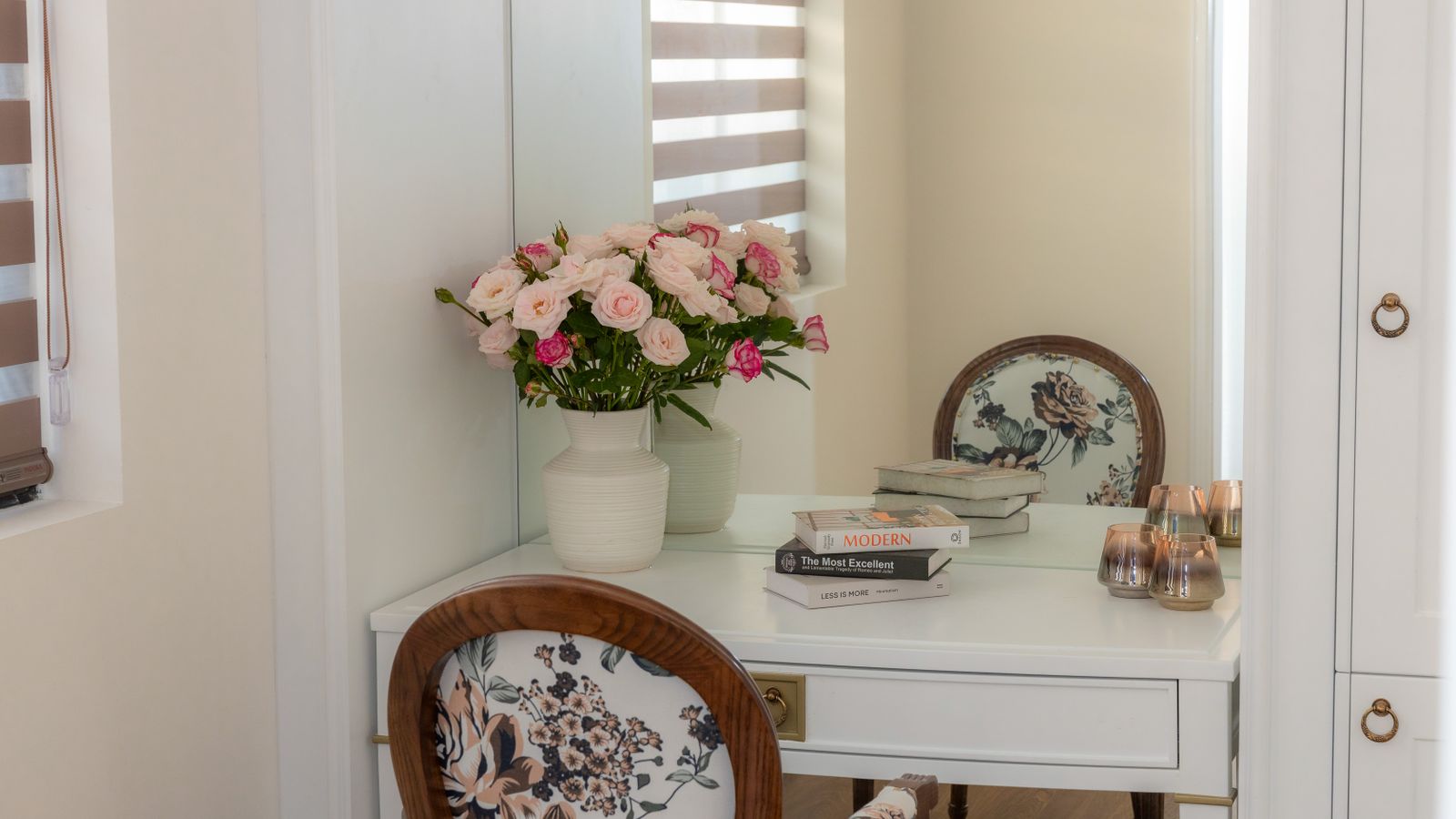
- The vanity zone – a personal grooming and getting-ready spot, typically inside or near the bedroom closet.
Mapping these zones first keeps you from buying a piece that looks good in isolation but does not actually solve the problem in your specific layout.
Step 2: Measure Before You Price Anything
Storage furniture is one of the easiest categories to over-buy or under-buy in terms of size. Grab a tape measure and note:
- Wall length available for the entryway bench (including door swing clearance).
- Closet floor footprint for the shoe rack, plus vertical space if you want a stackable or tiered unit.
- A dedicated corner or nook for the vanity desk, plus wall space above it if you want a mirror.
Skipping this step is the number one reason people return furniture or end up with pieces that don’t fit – which wastes both money and time. Write these numbers down before you start browsing so you can filter out anything oversized right away.
Step 3: Set a Total Budget, Then Split It by Priority
Rather than pricing each item separately with no ceiling, decide on one total number for the whole project first. A helpful split for most households looks like this:
- 40% to the piece you’ll use most – for many people that’s the entryway bench, since it’s touched daily by everyone in the house.
- 35% to the vanity desk – a larger investment because it typically includes a mirror, drawers, and a stool.
- 25% to the shoe rack – usually the least expensive of the three, but don’t cut this so far that it can’t hold your actual shoe count.
These percentages are a starting point, not a rule – adjust based on which zone causes the most daily friction in your home right now.
Step 4: Compare Materials and Understand What Drives Price
Across all three categories, price differences usually come down to a handful of factors, not brand names:
Shoe Racks
Wire and metal-frame racks sit at the budget end. Solid wood or bamboo tiered racks cost more but tend to hold up better under daily shoe traffic and look more finished in an open entryway. Enclosed cabinet-style shoe storage (with doors that hide clutter) is usually the priciest option in this category.
Entryway Benches
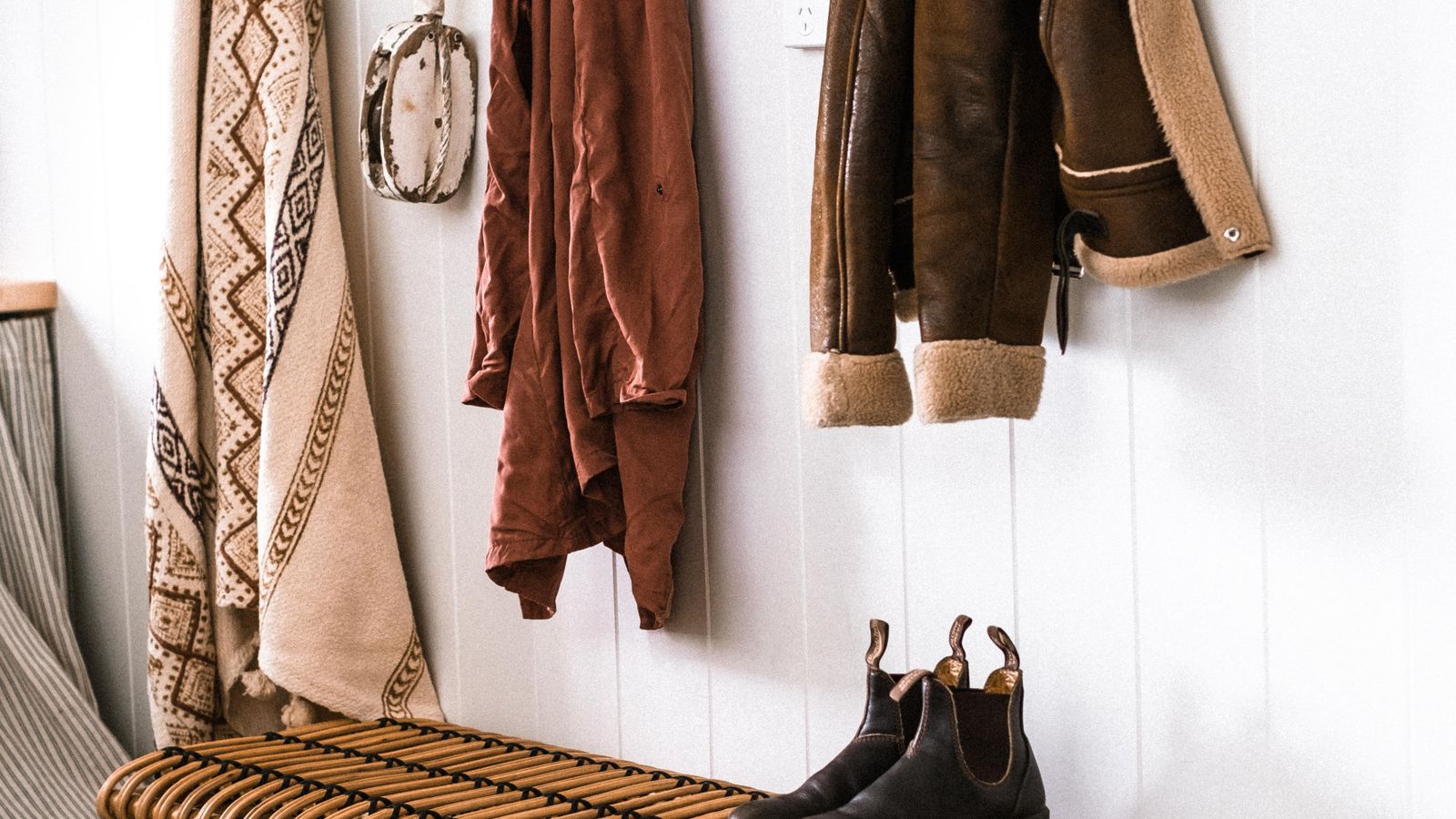
A simple bench with no storage is the cheapest route. Adding a lift-top storage compartment, built-in cubbies, or upholstered cushions raises the price, but also raises how much daily work the piece does for you – cushioned lift-top benches are often worth the extra spend if the entryway is a high-traffic zone.
Vanity Desks
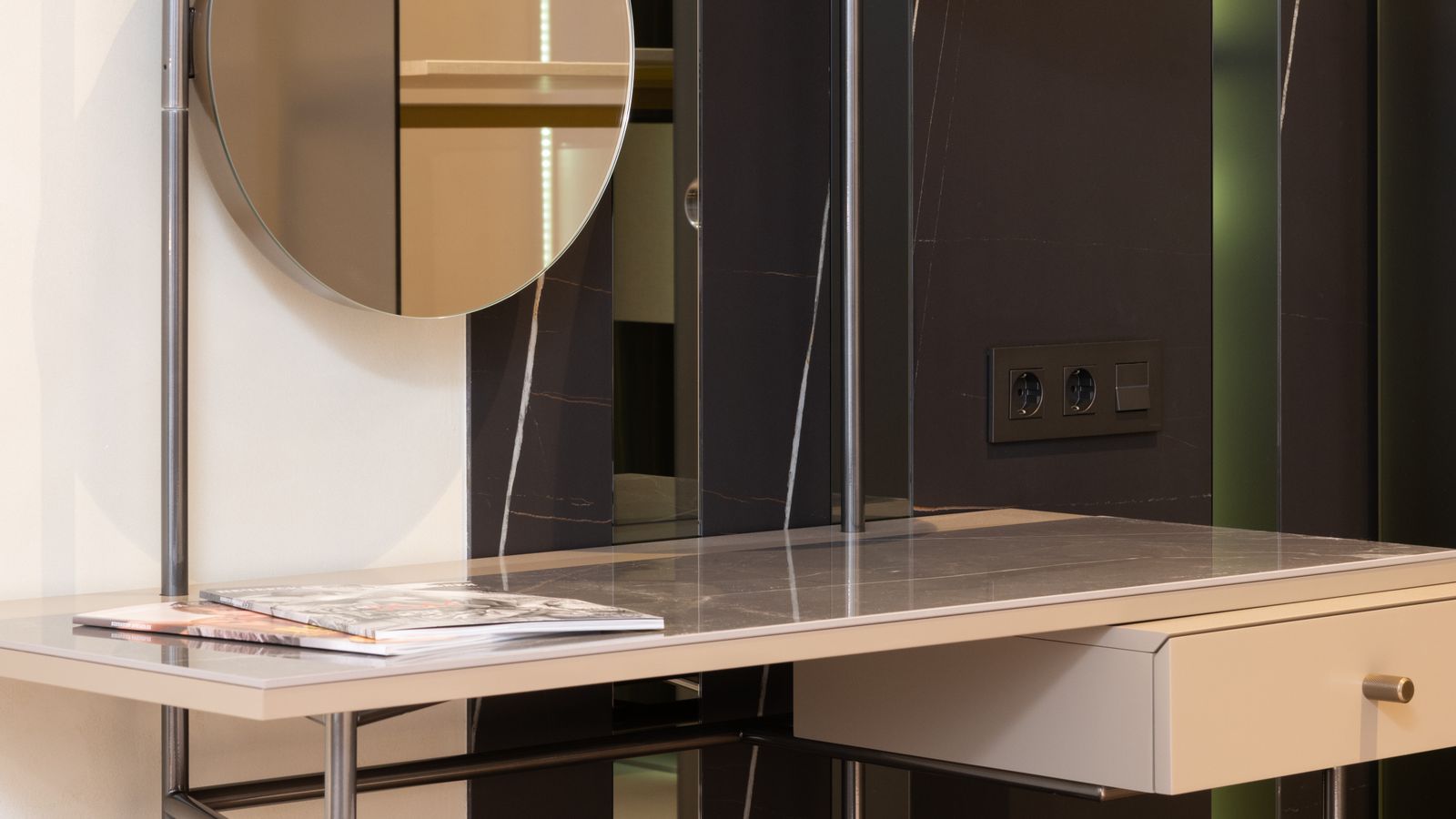
Size of the mirror, number of drawers, and whether a stool is included are the biggest price drivers. A compact vanity with a small attached mirror and one or two drawers is the most budget-friendly; a full vanity set with a large lighted mirror and matching stool sits at the top of the range.
Step 5: Decide Where to Splurge and Where to Save
You don’t need every piece to be premium. A good rule of thumb: splurge on whichever zone gets used the most or is hardest to replace later, and save on the piece that’s more of a “nice to have.”
- If you have a large family, the shoe rack sees the heaviest daily use – spend a bit more here for durability.
- If you get ready in front of the mirror every morning, the vanity desk is worth the upgrade for comfort and lighting.
- If your entryway is small and mostly a pass-through, a modest bench without extra storage may be perfectly sufficient.
Step 6: Shop Smart – Bundle, Compare, and Time Your Purchase
Once you know your budget split and priorities, it’s time to actually shop. A few habits that consistently save money without sacrificing quality:
- Check retailer sales calendars – storage and organization furniture is frequently discounted around New Year and back-to-school periods.
- Compare finished dimensions against your Step 2 measurements every single time before adding to cart.
- Read assembly requirements; some flat-pack pieces need two people, which affects your setup timeline as much as your budget.
- Look for matching finish lines from the same brand across shoe racks, benches, and vanities – buying within one collection often keeps the whole space looking cohesive without extra design effort.
For side-by-side options in each category, it helps to browse full buying guides before committing. Our roundups of shoe racks, entryway benches, and the best vanity desks break down price tiers, materials, and standout features so you can compare real options against the budget plan above.
Common Mistakes to Avoid
- Buying the vanity desk first and running out of budget for the rest. It’s the most visually exciting piece, but if it eats your whole budget, the shoe rack and bench end up as afterthoughts.
- Ignoring shoe count when sizing the rack. Count your household’s actual pairs of shoes, add 20% for growth, and size accordingly – most people underestimate this.
- Forgetting delivery and assembly costs. Larger vanity sets and upholstered benches sometimes carry separate delivery fees that aren’t obvious at checkout.
- Choosing finishes that clash. Even on a budget, picking coordinating tones (all-wood, all-black metal, or a matched neutral palette) makes the space look intentional rather than pieced together.
A Simple Budgeting Checklist
- Measure all three zones before shopping.
- Set one total project budget, then split it by priority (roughly 40/35/25).
- Identify which zone gets the heaviest daily use and allocate more there.
- Compare materials within each category to understand what’s driving the price.
- Check for sales windows and matching collections to save without sacrificing style.
- Factor in delivery and assembly before finalizing your numbers.
FAQ
How much should I budget for a full entryway and closet storage refresh?
It depends heavily on materials and size, but planning a single total budget and splitting it across the three zones (as outlined above) keeps spending balanced rather than front-loaded on one piece.
Should I buy all three pieces at once or spread it out?
Buying at once makes it easier to match finishes and stay within a single budget plan. If funds are tight, prioritize the zone with the most daily friction first, then add the others over the following months.
Is it worth paying more for a storage bench versus a plain one?
If your entryway doubles as drop-off storage for shoes, bags, or seasonal gear, a lift-top or cubby bench earns its higher price by reducing clutter elsewhere in the house.
What’s the biggest budgeting mistake people make with this project?
Spending too much on the most visually appealing piece (usually the vanity) and leaving too little for the shoe rack and bench, which get used just as often, if not more.
Final Thoughts
A closet and storage refresh works best when it’s planned as one project instead of three separate impulse buys. Measure your space, set a total budget, split it by priority, and compare materials so you know exactly what’s driving cost in each category. With that plan in hand, browsing dedicated guides for shoe racks, entryway benches, and vanity desks becomes much faster – you’ll already know what fits your space and your wallet before you start comparing options.