A toddler’s room comes together fastest when the bedding and the storage that holds it feel like part of the same plan. If your child’s quilt, sheets, and spare blankets are constantly spilling out of a mismatched bin or getting lost in a closet, it is not just a clutter problem – it is a system problem. Matching a toddler bedding set with a coordinated blanket storage basket gives you a simple rotation you can repeat every wash day, and it makes the whole room look intentional rather than accidental. This guide walks through how to pick colors and materials that pair well, how to size a basket correctly, and how to build a rotation you and your toddler can both keep up with.
Why Matching Bedding and Storage Actually Matters
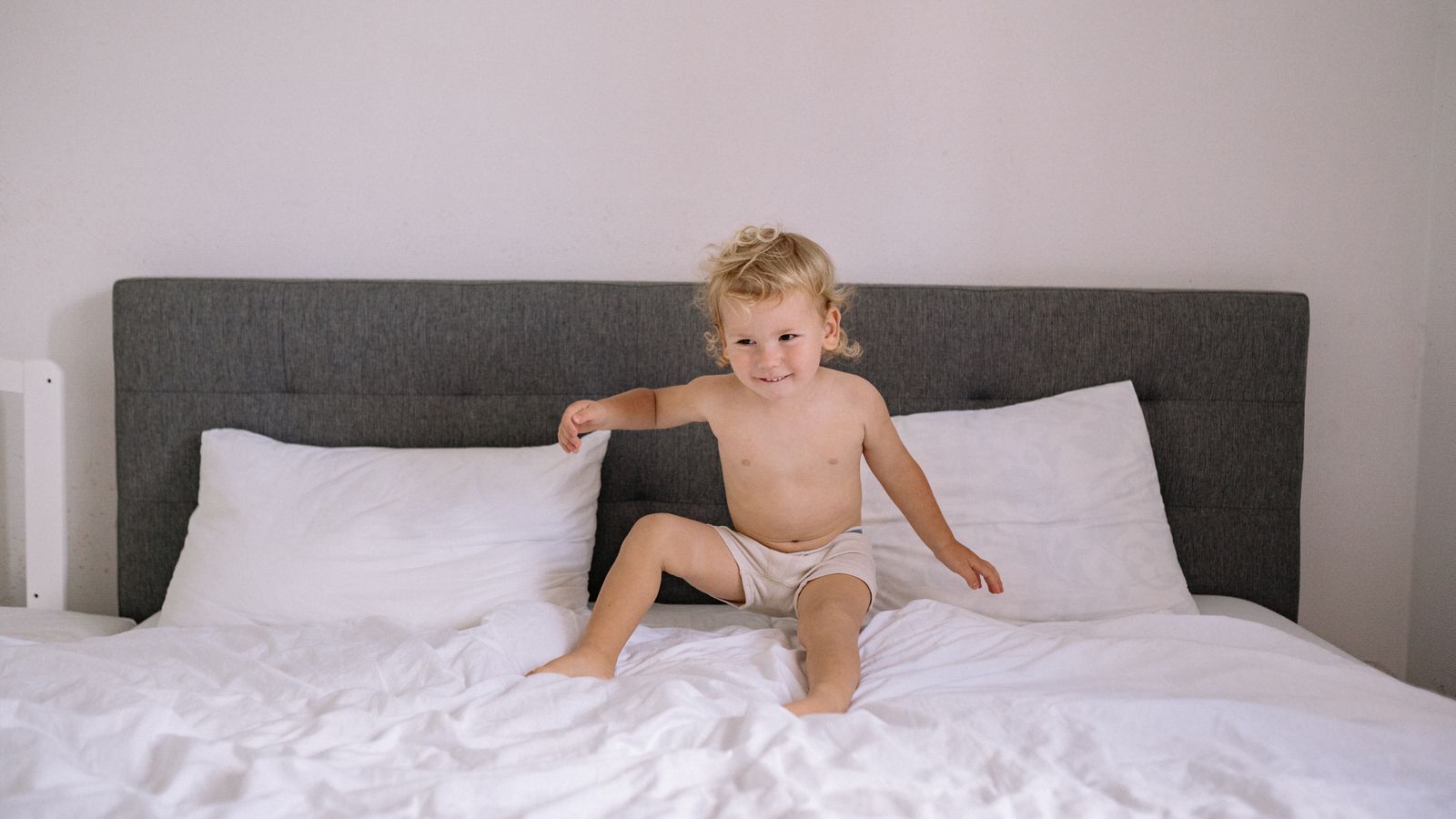
It is tempting to treat the basket as an afterthought – grab whatever bin fits under the crib or in the corner and move on. But a mismatched basket undoes a lot of the visual work a nice bedding set does. Toddler rooms are small, and every object in view competes for attention. When the basket’s color, material, and shape echo the bedding, the room reads as calm and coordinated instead of cluttered. There is also a practical upside: a basket sized and styled to match the bedding tends to get used consistently, because it is easy to identify at a glance and easy to fit spare sheets and blankets into without cramming.
Beyond aesthetics, a good match speeds up your actual routine. When laundry day comes, you want a system where the clean set goes back on the bed, the dirty set goes to the wash, and the spare set slides neatly into the basket – no guessing which basket is for what, no digging through a mixed pile of throws, stuffed animals, and off-season blankets.
Start with the Bedding Set as Your Anchor
Before you shop for storage, settle on the toddler bedding set itself, since it sets the palette and pattern for everything else in the room. If you are still choosing, browse a range of toddler bedding sets to find a print and color story you like – solids, small-scale prints (stars, stripes, animals), and two-tone combinations all work well because they are easy to echo in a basket without needing an exact print match.
Once you have the set, pull out two or three defining colors from it. Most toddler sets have a dominant background color (often white, cream, or a soft pastel) plus one or two accent colors in the print. Those accent colors are your best guide for the basket – you do not need to match the exact shade, just land in the same family (navy accent → basket in navy, indigo, or a woven basket with navy trim).
Choosing a Blanket Storage Basket That Fits the Look
With your palette in hand, look at blanket storage baskets and narrow by material first, then by color. Material has the biggest effect on how “matched” the room feels:
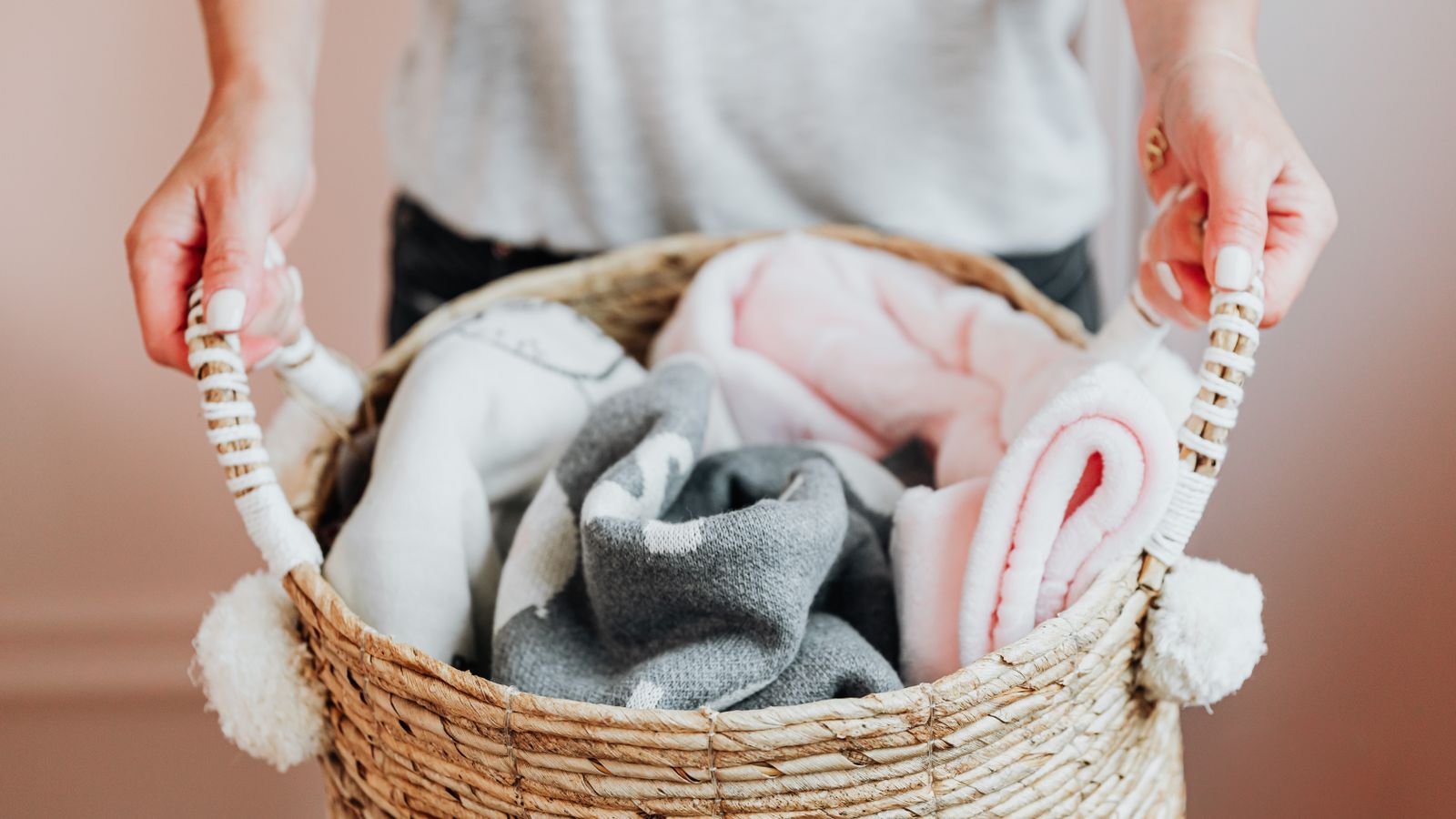
- Woven seagrass or rattan baskets pair naturally with almost any bedding palette because the neutral tone acts like a frame rather than competing with the print. Good choice if your bedding has a busy or colorful pattern.
- Cotton rope or canvas baskets are easy to find in solid colors, so you can pick one that echoes an accent shade directly – useful when the bedding is mostly solid and you want the basket to add a pop of color.
- Fabric bins with a printed liner can pick up a secondary pattern from the bedding (stripes, dots) for a more deliberately coordinated look, though this only works well if you are confident about mixing patterns.
As a rule of thumb: if the bedding print is busy, choose a quieter basket. If the bedding is a solid or a subtle texture, you have more room to choose a basket with color or pattern.
Getting the Size Right
A basket that is too small becomes useless within a week – it overflows, lids stop closing, and everything gets shoved on top instead of folded inside. A basket that is too large looks empty and swallows the room visually. To size correctly, think about exactly what will live in the basket:
- List the contents. Typically this is one spare fitted sheet, one flat sheet or duvet cover, a lightweight blanket, and maybe a seasonal quilt. Toddler-sized linens fold down small, so most standard baskets in the 15-20 inch range comfortably fit a full spare set.
- Fold everything the way you plan to store it. Fold sheets in thirds rather than quarters if the basket is shallow – this keeps stacks lower and easier to see at a glance.
- Leave 20% of the basket empty. A basket packed to the brim is hard to use daily. Leaving room means you can grab the top item without unpacking the whole basket.
- Check the footprint against the room. Measure the floor space or shelf where the basket will live before you buy – a basket that is a great match in photos but too deep for the nursery shelf will just get shoved in a closet.
Coordinating Beyond Color: Texture and Shape
Once color is handled, texture and shape do the rest of the coordinating work. A soft, quilted bedding set generally looks best with a basket that has some texture of its own – woven rattan, chunky knit, or ribbed cotton rope – rather than a hard plastic bin, which can feel out of place next to soft linens. Shape matters too: a round basket softens a room with a lot of straight furniture lines, while a rectangular bin tucks more efficiently under a toddler bed frame or into a closet shelf. If floor space is tight, a tall, narrow basket with a lid can double as a side table, holding a lamp or nightlight on top while storing linens inside.
Building a Simple Bed Linen Rotation
The real payoff of matching your bedding and basket is a rotation you can actually maintain without thinking too hard about it. A workable toddler bed linen rotation usually needs two to three full sets:
- Set 1 – on the bed. The current set in use.
- Set 2 – in the basket, ready to go. A clean, folded spare that can replace Set 1 the moment there is a spill, an accident, or simply laundry day.
- Set 3 – in the wash cycle (optional). If your toddler goes through sheets quickly, a third set in the laundry rotation means you are never caught without a clean option.
To make this work in practice, always return the just-washed set to the same basket in the same folded position – for example, sheets on the bottom, blanket on top. This way, whoever changes the bed (including a babysitter or grandparent) can grab a full set without hunting. If your toddler’s room runs warm or cold seasonally, consider one basket for the current season’s weight of bedding and a second, less accessible bin (top shelf of a closet, under-bed storage) for the off-season set – pulling in best sheets under $50 options is a budget-friendly way to build out that second rotation set without overspending.
Keeping the Basket Fresh and Easy to Maintain
A basket that matches beautifully on day one can look tired fast if it is not cared for. Woven baskets benefit from an occasional wipe-down with a dry or barely damp cloth to keep dust from settling into the weave. Fabric bins with removable liners should be washed on the same schedule as the bedding itself so everything stays fresh together. If the basket sits near a window, rotate it periodically to avoid uneven fading on one side, which can throw off the color match to the bedding over time.
Common Mistakes to Avoid
- Matching the print instead of the palette. Trying to find a basket with the exact same pattern as the bedding is unnecessary and limits your options – matching color family is enough for a cohesive look.
- Buying the basket before the bedding. It is much easier to find a basket to match an existing bedding set than the reverse, since bedding patterns are more specific than basket colors.
- Overfilling the basket. A basket stuffed past capacity looks messy no matter how well it matches, and makes daily use frustrating.
- Ignoring the room’s existing furniture tone. A basket that matches the bedding but clashes with a dark wood dresser or crib can still feel off – check the basket against the room’s wood and wall tones, not just the linens.
- Skipping the fold test. Always fold and place the actual linens in the basket before finalizing your purchase decision (or right after unboxing, so you can still return it if it does not fit).
FAQ
Do the basket and bedding need to be the exact same color?
No. Matching within the same color family – for example, a navy accent in the print paired with a navy or indigo basket – reads as coordinated without needing an exact shade match, which is nearly impossible to find anyway.
How many blankets should I keep in one basket?
Two to three folded items (a spare sheet set plus one or two blankets) is usually the sweet spot. More than that tends to overfill a standard-sized basket and make it hard to keep tidy.
What basket material is easiest to clean around a toddler’s room?
Cotton rope or canvas baskets are generally the easiest to wipe down and spot-clean, while woven natural fiber baskets are more forgiving of dust but harder to spot-clean if something spills directly on them.
Should I use one basket or two for a full rotation?
One basket is enough if you are only storing a single spare set. If you rotate seasonal bedding weights or keep a backup set in the laundry cycle, a second basket (even a smaller, less visible one) keeps the main basket from becoming overcrowded.
Final Thoughts
Matching a toddler bedding set with a blanket storage basket is less about finding a perfect design match and more about building a small, repeatable system: pick the bedding first, choose a basket that echoes its color and texture, size it to what you actually need to store, and set up a rotation that anyone in the house can follow. Done well, it turns bed-changing from a mildly annoying chore into a two-minute swap, and it keeps a small toddler room looking calm and put-together even on the busiest days.