Rotating your bed linens with the seasons keeps your bedroom comfortable year-round, but it can also feel like an endless shopping list. Between waffle weave blankets for texture and breathability, cooling blankets for hot summer nights, and lightweight throw blankets for layering, it is easy to overspend or buy pieces that overlap in function. This guide walks you through a practical way to budget for a new bed linen rotation, compares the three blanket types side by side, and gives you a step-by-step plan for building a rotation that actually earns its closet space.
Why a Seasonal Bed Linen Rotation Matters
A bed linen rotation is simply the practice of swapping your top layer of bedding – blankets, throws, and sometimes even duvet inserts – based on the season and how your household actually sleeps. In summer, heavy bedding traps heat and disrupts sleep quality. In cooler months, thin bedding leaves you reaching for extra layers at 3 a.m. Building a rotation means you always have the right-weight blanket on hand without needing a dozen options crammed into a linen closet.
The catch is that rotations can quietly become expensive if you buy impulsively. A smart rotation starts with a budget, a clear list of what each piece needs to do, and a plan for which items actually deserve a spot in your bedroom.
Step 1: Set a Total Budget Before You Shop
- Decide on a total dollar amount you are comfortable spending on the whole rotation, not per item. This keeps you from anchoring to the first price you see.
- Split that budget roughly into thirds if you are buying one of each blanket type, or weight it toward whichever piece you use most (for many households, that is the cooling blanket in summer).
- Leave a small buffer, around 10 to 15 percent of your total, for shipping, returns, or a mattress protector refresh if you are overhauling the whole bed at once.
Setting the number first, before browsing, is the single biggest factor in staying on budget. Once you start scrolling product pages, it is easy to justify upgrades that were not part of the original plan.
Step 2: Understand What Each Blanket Type Actually Does
Before comparing prices, it helps to know what job each blanket is suited for. They are not interchangeable, and buying the wrong one for your climate or sleep style wastes money regardless of how good the deal was.
Waffle Weave Blankets
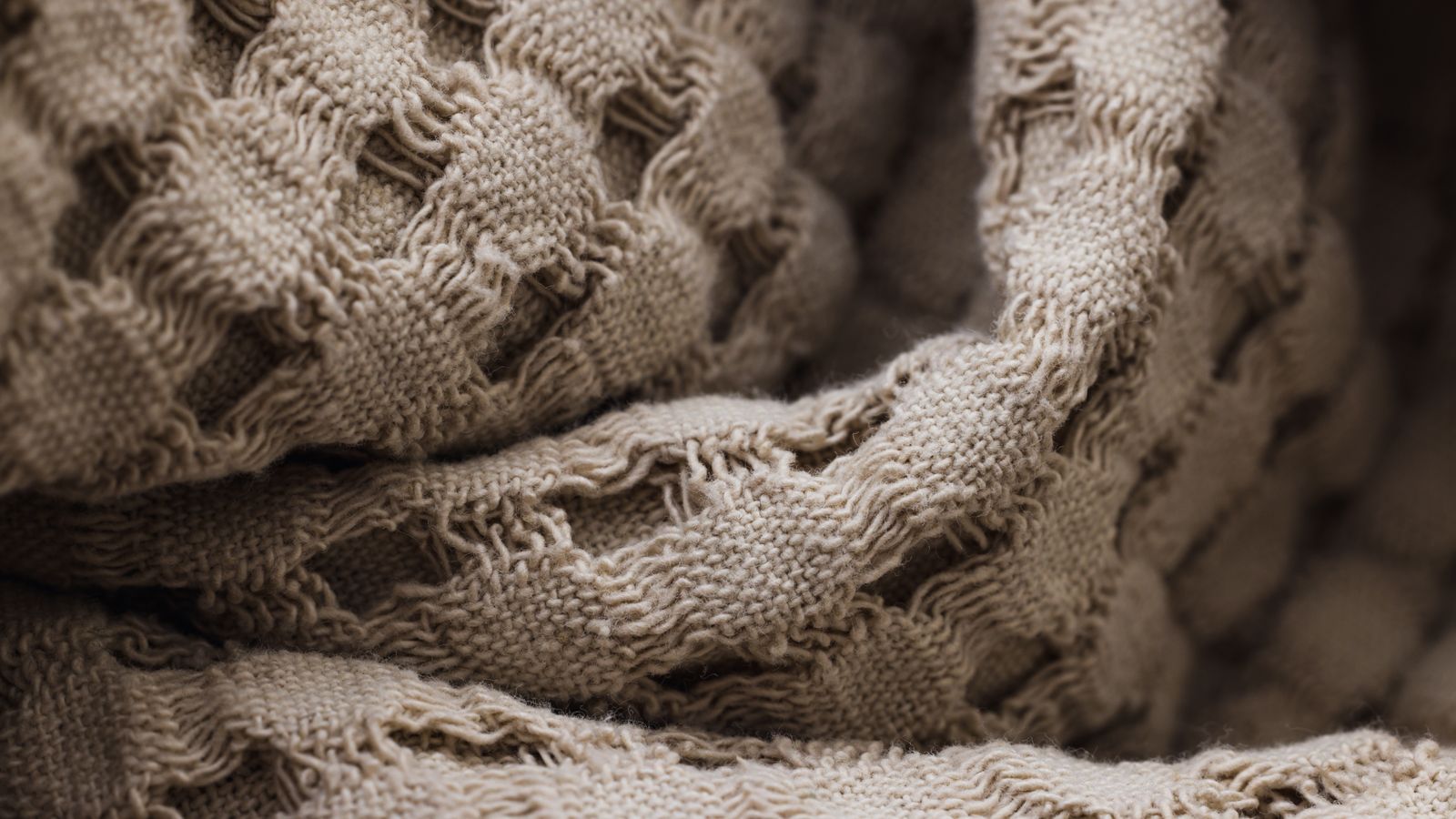
Waffle weave blankets get their name from the raised, honeycomb-like texture woven into the fabric. That texture creates small air pockets that trap a bit of warmth without the bulk of a traditional quilt, which makes waffle weave a good mid-weight option for spring and fall, or for layering in air-conditioned bedrooms during summer. They are usually made from cotton, which means they are breathable and machine washable, but they are not specifically engineered to pull heat away from the body the way a cooling blanket is.
Cooling Blankets
Cooling blankets use specialized fabrics, such as certain moisture-wicking synthetics or double-sided weaves, engineered to feel cool to the touch and help dissipate body heat through the night. These are the right choice for hot sleepers, warm climates, or anyone sharing a bed with a partner who runs warm. They typically cost more than a basic waffle weave blanket because of the technical fabric, but for hot sleepers the comfort payoff is significant.
Throw Blankets for Summer
Summer throw blankets are the lightest of the three, often made from muslin, gauze cotton, or a thin knit. They are not meant to be a primary bed covering so much as a light layer for cooler summer nights, an extra layer at the foot of the bed, or a decorative accent that doubles as functional bedding. They are usually the least expensive option and the easiest to justify buying in more than one color or pattern.
Step 3: Compare the Three Side by Side
Once you understand the function of each blanket, comparing them on price, warmth, and versatility makes budgeting much easier.
- Warmth level: Waffle weave sits in the middle, cooling blankets are engineered to feel cooler than the room, and summer throws are the lightest of the three.
- Typical cost range: Summer throws tend to be the most affordable entry point, waffle weave blankets sit in the mid-range depending on size and material, and cooling blankets often carry a premium because of the technical fabric.
- Best use case: Waffle weave works well as a year-round layering piece, cooling blankets solve a specific problem for hot sleepers, and throws are best for light layering or decorative use.
- Durability: Cotton waffle weave and cotton throws generally hold up well to frequent washing, while some cooling fabrics require gentler care to preserve their cooling properties over time.
If you are only buying one new piece this season, match it to your actual complaint. If you wake up sweaty, prioritize a cooling blanket. If your bedroom runs chilly in the evenings but warm overnight, a waffle weave blanket is the more flexible pick. If you mainly want a light layer for warm nights or a stylish throw for the foot of the bed, browse best throw blankets for summer options first.
Step 4: Decide What You Actually Need Versus What You Want
It is tempting to buy all three blanket types at once, especially when they are styled together in product photos. Before adding items to your cart, ask a few honest questions:
- Do you and your partner have different temperature preferences? If so, a cooling blanket may solve more of the problem than a decorative throw.
- Does your current bedding already include a mid-weight layer? If your comforter or duvet already handles that job, a waffle weave blanket may be redundant.
- Are you buying for looks or for function? A throw purchased purely for styling is fine, but budget it separately from functional sleep bedding so it does not eat into money meant for comfort upgrades.
This step is where most rotation budgets go off track. Buying three blankets because they were bundled in a sale is different from buying three blankets because your household genuinely uses three different weights throughout the year.
Step 5: Build a Simple Cost Table for Your Rotation
A simple spreadsheet or even a notes app list can keep your budget honest. List each item you are considering, its estimated price, and which season or scenario it covers. Add up the total and compare it against the budget you set in Step 1. If the total runs over, cut the item that overlaps most with something you already own rather than the item that solves a problem your current bedding does not address.
It also helps to note the material and care instructions next to each price, since a cheaper blanket that needs dry cleaning or special detergent can end up costing more over its lifespan than a slightly pricier machine-washable option.
Step 6: Time Your Purchases Around Seasonal Sales
Bedding retailers typically discount summer-weight items, including cooling blankets and lightweight throws, as the season winds down, while waffle weave and mid-weight blankets often go on sale heading into spring clearance. If your budget is tight, buying next season’s blanket at the end of the current season can stretch your money significantly further. This does mean storing an off-season item for a few months, so factor in whether you have the closet space before committing to buy ahead.
Step 7: Prioritize Quality Where It Matters Most
Not every piece in your rotation needs to be a premium purchase. A decorative summer throw that gets light use can reasonably be a budget pick. A cooling blanket that you will rely on every hot night, however, is worth spending a bit more on for durable, well-tested cooling fabric, since a poorly made one loses its cooling effect quickly and needs replacing sooner. The same logic applies to a waffle weave blanket if it is going to be your primary layering piece for several months of the year – a denser, well-woven cotton will hold its shape and texture through many more wash cycles than a thin, loosely woven version.
Common Budgeting Mistakes to Avoid
- Buying all three types at once without a plan. Stagger purchases across seasons so the cost is spread out and you can evaluate how much you actually use each piece before buying the next.
- Ignoring care requirements. A blanket that needs special washing adds ongoing cost and effort that is easy to overlook at checkout.
- Skipping measurements. Buying the wrong size means either returning the item or letting it sit unused, both of which waste part of your budget.
- Forgetting complementary pieces. If your rotation plan involves swapping bedding often, it is worth checking whether your bed sheets or bedding sets need a refresh too, so the whole look and feel stays cohesive rather than mismatched.
Sample Budget Breakdown
As a general framework, consider splitting a modest seasonal bedding budget roughly as follows: about 40 percent toward the piece you will use most often (often the cooling blanket for hot sleepers, or the waffle weave for households in more temperate climates), around 35 percent toward the second most-used piece, and the remaining 25 percent toward the summer throw or any accent pieces. Adjust these percentages based on your climate, how many people share the bed, and how often you actually rotate your linens.
Frequently Asked Questions
How often should I rotate my bed linens?
Most households rotate blankets and top layers twice a year, once heading into warmer months and once heading into cooler ones. If you live somewhere with mild winters, you may only need to add or remove a single mid-weight layer rather than a full rotation.
Can a waffle weave blanket replace a cooling blanket?
Not entirely. A waffle weave blanket is breathable thanks to its textured weave, but it is not engineered with the moisture-wicking or heat-dissipating properties that define a true cooling blanket. If you are a consistently hot sleeper, a dedicated cooling blanket will outperform waffle weave on the hottest nights.
Is it worth buying a summer throw if I already own a cooling blanket?
It depends on your use case. A summer throw is thinner and often more decorative, making it useful as a light layer on mild nights or as an extra accent for the foot of the bed. If your budget is limited, prioritize the cooling blanket first and treat the throw as an optional add-on.
What is the most budget-friendly way to build a full rotation?
Buy one piece per season rather than all three at once, take advantage of end-of-season sales, and choose machine-washable materials to avoid added care costs. This spreads spending out and lets you evaluate what you actually use before committing more money.
Do I need to match the blanket colors to my existing bedding?
It is not required, but choosing neutral tones for your waffle weave and cooling blankets makes them easier to mix and match with seasonal throws or updated bedspreads down the line, which can save money on future purchases since you will not need to replace the whole set at once.
Final Thoughts
Budgeting for a new bed linen rotation does not have to mean an expensive overhaul every season. Start with a total budget, understand what each blanket type is actually designed to do, and prioritize the piece that solves your household’s biggest comfort complaint. Waffle weave blankets, cooling blankets, and summer throws each play a different role, and building your rotation gradually around real needs – rather than buying all three at once – is the most reliable way to stay comfortable through every season without overspending.