Renovating or refreshing a bathroom can spiral into an expensive project fast, especially once you start pricing out a smart toilet, new bathroom lighting, and even a simple soap dispenser. The good news is that a budget-friendly bathroom doesn’t mean sacrificing style or function – it just means shopping with a plan. This guide walks you through exactly how to prioritize spending, compare features, and avoid the common traps that blow up a bathroom budget, whether you’re outfitting an entire room or upgrading a handful of fixtures.
Step 1: Set a Realistic Total Budget First
Before you open a single browser tab, decide how much you’re actually willing to spend on the entire bathroom refresh – not just the individual items. Break that number into rough categories: fixtures (toilet, sink, tub or shower), lighting, hardware and accessories (like a soap dispenser or towel bars), and a contingency fund of at least 10-15% for surprises. Bathrooms are notorious for hidden costs, so padding your budget upfront saves stress later.
Write your budget down and stick to it as you shop. It’s easy to convince yourself that one upgrade “isn’t that much more,” but those small overages add up quickly across three or four categories.
Step 2: Prioritize Which Fixtures Matter Most
Not every bathroom item deserves the same share of your budget. Ask yourself which upgrades will have the biggest daily impact. A smart toilet, for example, is a bigger investment but can dramatically improve comfort, hygiene, and even water efficiency over time. Lighting affects how the whole room feels and functions. A soap dispenser is a smaller, lower-stakes purchase that’s easy to upgrade without much financial risk.
A simple rule of thumb: spend the most on items you interact with daily and that are expensive or disruptive to replace later (like the toilet), and spend less on accessories that are easy to swap out down the road.
Step 3: Shopping for a Smart Toilet on a Budget
Smart toilets range from budget-friendly bidet-seat combos to high-end fully integrated units with heated seats, auto-flush, and built-in deodorizers. To shop smart:
- Decide which features you actually need. Heated seats and adjustable water pressure are popular, but features like ambient nightlights or app connectivity often cost more and get used less.
- Compare install types. A bidet attachment for an existing toilet is far cheaper than a full smart-toilet replacement, and it delivers many of the same comfort benefits.
- Check water and energy usage. Some models cost more upfront but save on water bills over time, which is worth factoring into your total cost of ownership.
If you want a full breakdown of current top-rated options across price tiers, our guide to Smart Toilets is a useful starting point before you commit to a purchase.
Step 4: Choosing Budget-Friendly Bathroom Lighting
Lighting is one of the most cost-effective ways to transform a bathroom without a full renovation. A few budget-conscious strategies:
- Layer your lighting instead of relying on one fixture. A vanity light plus a ceiling fixture (or a simple LED strip) usually costs less combined than one oversized statement piece, and it performs better for grooming tasks.
- Choose LED over incandescent. LED fixtures cost a bit more upfront but use significantly less energy and last much longer, so they pay for themselves.
- Swap only the fixture, not the wiring. Unless your existing wiring is outdated or unsafe, you can usually replace an old fixture with a new one on the same electrical box, which keeps installation costs low.
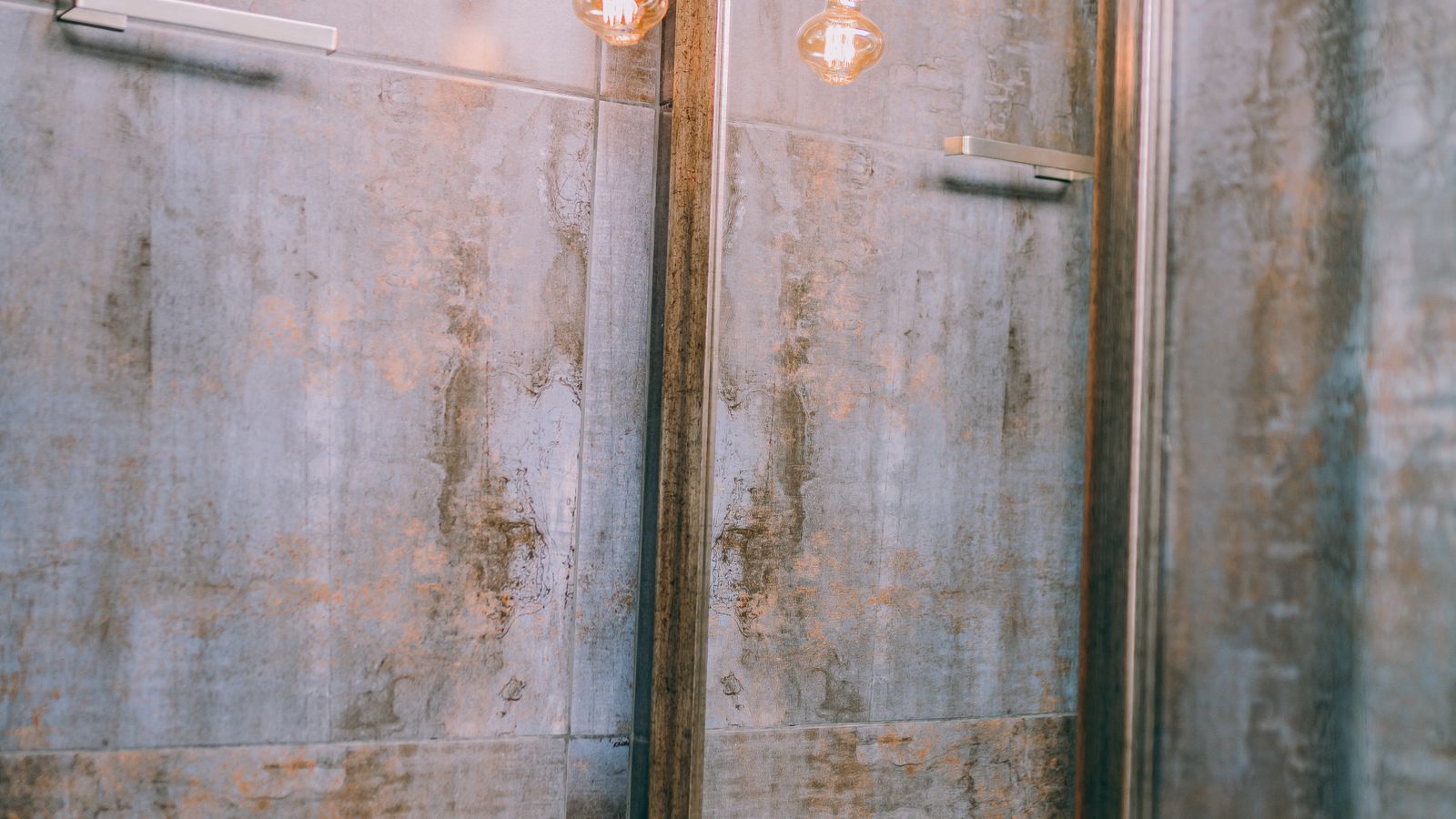
For side-by-side comparisons of styles, finishes, and price points, browse our roundup of bathroom lighting options to see what fits both your look and your budget.
Step 5: Picking a Soap Dispenser That Fits Your Budget
A soap dispenser might be the smallest line item on your list, but it still affects the overall polish of the room. When shopping on a budget:
- Manual pump dispensers are the most affordable and require no batteries or maintenance, making them a smart default for most budgets.
- Touchless dispensers add convenience and hygiene benefits but cost more upfront and typically need battery replacements.
- Matching finishes (like matte black or brushed nickel) to your faucet or lighting hardware creates a cohesive look without needing to spend extra on other decor.
See a range of options, from simple manual pumps to smart touchless models, in our guide to the best soap dispensers to find one that matches both your style and price range.
Step 6: Where to Splurge vs. Where to Save
A smart budget bathroom isn’t about cutting corners everywhere – it’s about being strategic. Consider splurging on:
- The toilet, since it’s expensive and disruptive to replace again soon.
- Ventilation or lighting quality, since poor lighting makes even a nice bathroom feel unfinished.
And consider saving on:
- Small accessories like soap dispensers, towel rings, or trash bins, which are easy and cheap to swap later.
- Decorative items like bathroom rugs, which can be updated seasonally without much cost.
Step 7: Watch for Hidden Costs
Budget overruns usually come from costs people forget to plan for, such as:
- Installation labor, especially for anything involving electrical or plumbing work.
- Disposal fees for removing an old toilet or vanity.
- Shipping costs on larger or heavier fixtures.
- Small hardware like mounting brackets, caulk, or new supply lines that aren’t always included with the main product.
Building a small buffer into your budget for these extras will keep your project from feeling like it went off the rails.
Step 8: Time Your Purchases Strategically
Retailers frequently discount bathroom fixtures and lighting around major sales periods. If your timeline is flexible, waiting for a seasonal sale can meaningfully reduce your total spend, especially on higher-ticket items like a smart toilet. For smaller accessories, it’s often fine to buy whenever you find a fair price, since the savings on waiting are usually marginal.
Common Mistakes to Avoid
- Buying the cheapest option across every category. This often leads to items that wear out fast and need replacing sooner, costing more long-term.
- Skipping measurements. Always measure your space (toilet rough-in distance, vanity width, ceiling height for fixtures) before ordering, since returns on bathroom fixtures can be costly or impossible.
- Ignoring return policies. Some plumbing fixtures are non-returnable once installed, so double-check policies before your final purchase.
- Overlooking compatibility. Make sure a smart toilet or touchless dispenser will actually work with your home’s outlet placement, water pressure, or existing plumbing.
A Simple Budget Bathroom Checklist
- Set a total budget and break it into categories.
- Decide which upgrade (toilet, lighting, or accessories) matters most to you.
- Compare features you’ll actually use versus ones that just add cost.
- Factor in installation, disposal, and shipping costs.
- Time bigger purchases around sales when possible.
- Keep a 10-15% contingency for the unexpected.
FAQ
Is a smart toilet worth the extra cost for a budget bathroom?
It depends on your priorities. If comfort and hygiene features matter to you daily, a smart toilet can be worth stretching the budget for. If you’re focused purely on cost, a standard toilet paired with a bidet attachment offers many similar benefits for much less.
What’s the cheapest way to upgrade bathroom lighting?
Swapping just the fixture (not the wiring) on your existing electrical box is the most budget-friendly approach. Choosing LED bulbs also reduces long-term energy costs even if the fixture itself costs a little more upfront.
Do touchless soap dispensers cost much more than manual ones?
Yes, typically touchless models cost more due to the sensor and battery components. If budget is tight, a manual pump dispenser delivers the same core function at a lower price with zero maintenance.
How much should I set aside for unexpected bathroom costs?
A contingency of 10-15% of your total budget is a safe cushion for most bathroom projects, covering things like installation labor or last-minute hardware needs.
Final Thoughts
Shopping for a bathroom on a budget comes down to prioritizing what matters most to your daily routine, comparing features honestly instead of chasing every add-on, and planning for the costs that are easy to overlook. By focusing your spending on high-impact items like a smart toilet and quality bathroom lighting, while keeping smaller accessories like a soap dispenser simple and affordable, you can create a bathroom that feels upgraded without blowing past your budget.