

Driving on modern roads comes with daily uncertainties, from reckless commuters to hit-and-run parking incidents. Equipping your vehicle with one of the Best Selling Dash Cameras gives you continuous peace of mind and indisputable video evidence when unexpected collisions occur.
Recent advancements in optical sensors and wireless hardware have transformed automotive recording devices into intelligent co-pilots. Modern setups now capture license plates in darkness, transfer footage to phones in seconds, and protect parked cars around the clock without draining car batteries.
Shoppers often struggle with technical jargon like multi-channel recording, sensor models, and capacitor power. This comprehensive guide breaks down the essential factors so you can find the ideal system for your car, truck, or rideshare vehicle. For more consumer hardware breakdowns, explore our expert shopping guides.


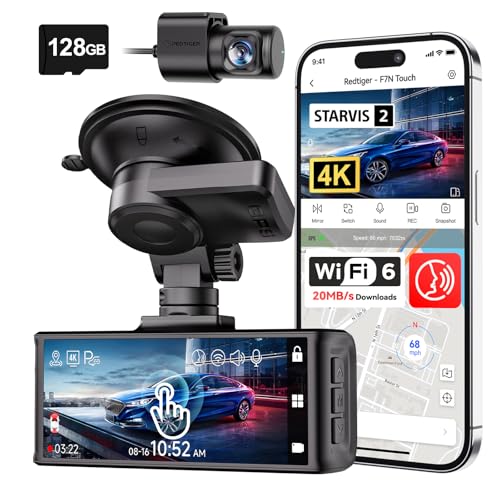


1. Video Resolution and Optical Sensor Quality
Resolution determines the clarity of critical details such as license plates, street signs, and distant vehicles. While 1080p Full HD provides a baseline for basic claims, native 4K Ultra HD delivers four times the pixel density for unmistakable detail. High pixel counts allow insurance adjusters and law enforcement to zoom in on registration tags during hit-and-run investigations.
Pixel count alone does not guarantee a crisp image without a high-grade optical sensor. Premium units utilize advanced Sony STARVIS 2 sensors that dramatically improve low-light sensitivity and dynamic range. Always check whether a device offers true native 4K or software-upscaled video when evaluating hardware specifications.
A reliable rule of thumb is to look for a large aperture, such as f/1.5 or f/1.6, combined with multi-layer glass lenses. This optical combination collects maximum ambient light during night drives and prevents blinding reflections under harsh midday sunlight.
2. Multi-Channel Coverage Configurations
Dash camera systems are organized into single, dual, triple, or four-channel architectures based on the angles they monitor. Single-lens models watch the road ahead, whereas dual setups pair a front windshield lens with a rear window unit to record trailing traffic. Front and rear combinations prevent disputed rear-end collisions from turning into fraudulent insurance claims.
Rideshare operators and delivery drivers benefit significantly from three-channel or four-channel units. These systems incorporate cabin-facing lenses with infrared LEDs to document passenger behavior and side-facing cameras to eliminate blind spots at intersections. Recording interior audio and video simultaneously protects drivers against false passenger reports.
Before purchasing multi-channel systems, verify that the processing unit maintains high frame rates across all video feeds. High-end systems allocate 4K clarity to the front camera while maintaining stable 1080p or 2.5K streams on secondary lenses.
3. Night Vision and High Dynamic Range (HDR)
A significant percentage of severe traffic incidents happen during low-visibility evening hours or inside poorly lit parking garages. Basic sensors often wash out license plates when headlights reflect directly off metallic tags. Advanced High Dynamic Range (HDR) and Wide Dynamic Range (WDR) technologies balance severe exposure differences in real time.
Cabin cameras rely on interior infrared (IR) light emitters that illuminate passengers in pitch black conditions without distracting the driver. These invisible IR wavelengths produce sharp grayscale interior video that remains clear even during overnight rideshare shifts.
When selecting a camera, look for 3D noise reduction and hardware-level HDR processing rather than digital filters. Hardware-based exposure balancing preserves shadow details and suppresses oncoming high-beam glare consistently.
4. Camera Feature Comparison
Comparing technical specifications helps you balance video performance against daily vehicle needs. The table below illustrates standard configurations found across leading vehicle camera platforms.
| Configuration | Front Resolution | Secondary Resolution | Best Suited For |
|---|---|---|---|
| Single Channel | 4K UHD | None | Budget-conscious daily commuters |
| Dual Channel | 4K UHD | 1080P / 2.5K Rear | Comprehensive front and rear traffic defense |
| Triple Channel | 4K UHD | 1080P Cabin + Rear | Uber, Lyft, taxi, and rideshare drivers |
| Quad Channel | 1080P / 2K | Full 360-Degree Surround | Commercial fleets, delivery vans, and work trucks |
Selecting the right channel balance prevents you from paying for extra interior lenses you may never need. If you regularly evaluate automotive electronics or household tools, check our step by step consumer tutorials for installation and maintenance strategies.
5. Power Source: Supercapacitors vs. Lithium Batteries
Windshields act as magnifying glasses on sunny days, generating interior vehicle temperatures that easily exceed 130 degrees Fahrenheit. Traditional lithium-ion batteries deteriorate rapidly under intense thermal stress, leading to battery swelling, unexpected shutdowns, and permanent device failure. In freezing winter climates, standard batteries also struggle to deliver consistent operating voltage.
Modern high-reliability cameras replace lithium batteries with supercapacitors designed for extreme environments. Supercapacitors safely endure temperatures ranging from below zero up to 140 degrees Fahrenheit without degradation. They hold just enough energy to complete the current recording and safely shut down when car ignition ceases.
For maximum longevity and safety, choose supercapacitor-equipped hardware whenever your vehicle is parked outdoors. This ensures the unit will not overheat during extended summer road trips or fail during an emergency stop.
6. Wi-Fi Connectivity and Mobile App Performance
Removing tiny memory cards and finding an SD card reader on the side of the road is cumbersome during traffic stops. Built-in dual-band Wi-Fi lets you connect your smartphone directly to the camera via dedicated mobile applications. You can preview live camera views, change recording preferences, and download collision clips directly to your phone.
Older dash cameras relied on 2.4 GHz Wi-Fi frequencies that produced sluggish transfer speeds of only 2 MB per second. Newer models integrate 5.8 GHz Wi-Fi 6 modules capable of reaching download speeds between 10 MB/s and 25 MB/s. Rapid transfer speeds let you pull large 4K video clips within seconds to show responding police officers.
Look for companion apps that support seamless over-the-air firmware updates to keep device software current. High-speed wireless sharing turns your smartphone into an instant evidence playback portal.
7. Parking Surveillance and Battery Protection
Vehicle vulnerability does not end when you switch off the ignition in a public lot or driveway. Parking monitoring modes guard parked vehicles using impact-triggered G-sensors, optical motion detection, or continuous low-bitrate time-lapse recording. When an impact occurs, the system wakes up instantly to record and lock the incident video.
Operating parking surveillance requires continuous vehicle power, which is usually supplied via a dedicated hardwire kit connected to the fuse box. Quality hardwire kits include built-in low-voltage cut-off sensors that shut down camera power before your car battery drops below starting thresholds.
If you park on crowded city streets or open lots, choose systems with continuous time-lapse recording at 1 to 5 frames per second. Time-lapse mode records continuous visual logs while conserving substantial memory card capacity.
8. Form Factor, Display Type, and Installation Design
Camera form factors range from compact screenless designs to interactive touchscreen units and full digital rearview mirror replacements. Screenless designs mount discreetly behind the center rearview mirror, preventing visual driver distractions while maintaining an unobstructed field of view. Drivers seeking stealthy, set-and-forget hardware often favor these low-profile pods.
Rearview mirror dash cameras strap over your factory mirror, providing expansive 10-inch to 12-inch digital displays. These units function as full-time digital rearview mirrors, completely eliminating rear blind spots caused by headrests, cargo, or rear passengers. Built-in touchscreens allow rapid switching between front and rear cameras while reversing.
Consider your vehicle cockpit layout and local windshield mounting laws before selecting a form factor. Maintaining a clear line of sight through the front windshield is essential for both driving comfort and safety.
9. GPS Logging, G-Sensors, and Memory Card Support
Integrated GPS antennas embed real-time travel speed, geographical coordinates, and direction heading directly into video files. When reviewing footage on desktop GPS mapping software, you can trace exact driving routes alongside video playback. This location data provides valuable context during disputed traffic citations and insurance investigations.
A built-in 3-axis G-sensor monitors sudden vehicle deceleration, abrupt turns, and heavy physical impacts. When impact forces exceed standard driving thresholds, the camera automatically moves current clips into protected emergency folders to prevent loop-recording overwrite. Adjustable sensor sensitivity ensures everyday speed bumps and potholes do not trigger false emergency locks.
Continuous 4K multi-channel recording places intense read and write demands on flash storage. Always pair your camera with high-endurance Class 10 U3 microSD cards rated for continuous looping. For helpful organization tips on household gear and tools, see our guide on how to compare storage containers and organizers before purchasing.
Why You Should Trust Us
Our evaluation methodology focuses on verifiable hardware specifications, optical sensor capabilities, thermal reliability, and real-world connectivity performance. We analyze critical parameters including native optical resolution, frame rate stability, supercapacitor ratings, and companion software usability across diverse automotive conditions.
We cross-reference manufacturer technical schematics with long-term user reliability feedback to identify common failure points, such as memory card corruption and thermal throttling. Our comparisons remain completely objective, prioritizing cameras that deliver consistent video fidelity and seamless evidence retrieval when drivers need it most.
We continuously monitor updates across automotive electronics, firmware improvements, and wireless standards. To learn more about our structured assessment processes across various gear categories, browse our home and living guides.
Final Thoughts
Selecting the best model depends on your daily driving routine, vehicle dimensions, and passenger requirements. For drivers seeking top-tier overall performance, the REDTIGER 4K STARVIS 2 Dashcam Front Rear delivers exceptional clarity with its Sony STARVIS 2 optical sensor, responsive touchscreen, and swift 5.8 GHz Wi-Fi connectivity.
For full surround surveillance, the IIWEY N6 360° Dash Cam 4 Channel, Free 128GB Card offers four-channel recording that captures front, rear, and side traffic angles simultaneously. Rideshare operators and urban drivers will appreciate its complete panoramic visibility and infrared interior lights.
If you prefer a sleek, screenless design that disappears behind your rearview mirror, the galphi 4K Dash Cam Front, 5GHz WiFi provides dependable 4K road footage with zero driver distraction. Review your parking habits and daily route conditions to pick the configuration that best protects your vehicle.
FAQs
What makes Best Selling Dash Cameras worth buying for everyday drivers in 2026?
These devices provide objective video proof during accidents, hit-and-run incidents, and contested insurance claims. Modern systems capture high-resolution evidence day or night, preventing drivers from paying costly insurance deductibles for faults they did not commit.
What is the difference between native 4K and upscaled 4K resolution?
Native 4K uses an 8-megapixel optical sensor to record true 3840×2160 video with sharp optical details. Upscaled 4K takes lower-resolution 2.5K or 1080p footage and enlarges it via software interpolation, which lacks the fine edge definition needed to read distant plates.
Why are supercapacitors preferred over lithium batteries in vehicle cameras?
Supercapacitors resist extreme temperature swings between freezing cold and blistering cabin heat without expanding or failing. They ensure safe file closing upon vehicle shutdown and outlast traditional lithium batteries by multiple years.
Do I need a hardwire kit to use 24-hour parking surveillance mode?
Yes, standard cigarette lighter ports stop providing power when your car engine is turned off. A hardwire kit connects the unit directly to the vehicle fuse box, supplying continuous electricity while guarding against car battery drainage.
How does seamless loop recording work on modern vehicle cameras?
Loop recording breaks continuous footage into manageable 1, 3, or 5-minute video files. When the memory card fills up, the camera automatically overwrites the oldest unlocked video file so recording never stops unexpectedly.
What type of microSD card should I purchase for multi-channel 4K recording?
You should choose high-endurance Class 10, U3, and V30 rated microSD cards designed for continuous read-write cycles. Standard flash memory cards degrade quickly when subjected to constant multi-stream video writing.
How does 5.8 GHz Wi-Fi improve dash camera usability compared to 2.4 GHz?
5.8 GHz Wi-Fi provides transfer speeds up to 20 to 25 MB per second, making video downloads significantly faster. In contrast, older 2.4 GHz connections transfer at roughly 2 MB/s, causing prolonged lag during high-definition video playback.
Can cabin-facing interior cameras record clearly in complete darkness?
Yes, interior lenses equipped with infrared LED lights illuminate the cabin in total darkness without creating visible glare. The resulting monochrome video provides distinct facial recognition and passenger activity logs for rideshare drivers.
Will installing a camera in my car lower my auto insurance rates?
While some insurance providers offer direct policy discounts for onboard cameras, the primary savings come from preventing fraudulent claims. Having clear video evidence protects your deductible and prevents unwarranted premium increases following non-fault incidents.
What should I do if the G-sensor locks too many routine driving files?
If speed bumps or rough pavement trigger emergency recording locks, open the camera settings and adjust G-sensor sensitivity to low. This ensures only genuine collisions or emergency braking maneuvers lock video clips into permanent storage.




Write Your Review
No reviews yet. Be the first to share your experience!