

Chronic lumbar stiffness can turn desk work, exercise, and basic household chores into exhausting physical challenges. Finding consistent comfort often requires more than occasional stretching or quick heating pads that lose temperature within minutes.
Modern therapeutic recliners offer an accessible way to decompress the spine and alleviate muscle spasms without frequent clinic appointments. We evaluated 7 top options for September 2026 to see how advancements in track geometry and airbag compression target persistent spinal discomfort.
Investing in the right setup means looking past cosmetic upholstery to examine mechanical reach, heat placement, and lumbar support curves. Explore our overview on furniture essentials to see how dedicated wellness seating integrates into standard living room layouts.


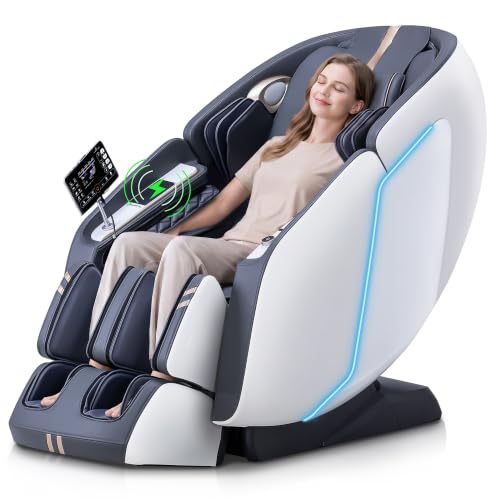


Track Design and Mechanical Coverage
The internal track serves as the structural highway that guides internal mechanical rollers along your body. Traditional S-tracks mirror the natural curve of the human spine from the cervical region down to the lumbar curve. Modern SL-tracks lengthen this path significantly, curving under the seat to reach the gluteal muscles and upper hamstrings.
For individuals managing lower back pain, an SL-track offers a substantial biomechanical advantage over older designs. The piriformis and hamstring muscle groups directly attach to pelvic structures, frequently pulling on the lumbar vertebrae when overly tight. Releasing tension across the upper thighs and glutes takes direct mechanical tension off your lower spinal discs.
When reviewing track specifications, confirm the overall travel length matches your torso and leg dimensions. A track measuring between 53 and 55 inches generally accommodates users ranging from modest statures up to tall builds comfortably. Anything shorter than 48 inches may stop rollers prematurely before they provide meaningful hip and lower spine decompression.
Roller Mechanism Dimensionality: 2D, 3D, and 4D
Internal rollers define how intensely a recliner kneads tight tissue around your spinal column. Basic 2D mechanisms travel exclusively along vertical and horizontal axes, sliding up and down or side to side across the track. While adequate for superficial rubbing, 2D rollers cannot push outward against deep, knotted muscles.
Advanced 3D and 4D roller heads push forward into your back, adjusting depth to apply pinpoint pressure on tense quadratus lumborum muscles. True 4D technology takes this deeper by dynamically varying roller cadence, acceleration, and rhythm during massage strokes. This rhythmic variation accurately simulates the nuanced thumb and palm pressures applied by a skilled physical therapist.
Choose an assembly with multiple protruding depth stages if you experience stubborn muscle spasms after sitting all day. Being able to decrease roller protrusion allows for gentle recovery on tender days, while higher protrusion depths work out deep connective tissue stiffness. Fixed rollers lack this adaptability and can feel punishing when back muscles are acutely inflamed.
Zero Gravity Recline Decompression
Zero gravity positioning elevates your knees slightly above your heart, distributing body weight evenly across the entire frame. This specific reclining angle neutralizes gravitational compression along each individual vertebral disc in your lumbar spine. As spinal load diminishes, surrounding back muscles finally release defensive guarding contractions.
When you recline into this neutral posture, the mechanical rollers work more effectively against the weight of your body. Instead of resisting roller pressure, your back rests flush against the massage track, maximizing therapeutic tissue contact. Many premium models feature multi-stage zero gravity angles ranging up to 165 degrees for maximum weightlessness.
Ensure that you measure available floor clearance in your home before choosing a deep reclining chair. Some models require two feet of rear clearance, whereas space saving wall-hugger designs pivot forward on their base and need only two inches. You can check our advice on storage planning to manage room layouts efficiently before unboxing oversized equipment.
Targeted Lumbar Heat Therapy
Heat therapy plays a critical role in calming tight lower back tendons and stubborn muscular knots. Applying continuous warmth dilates regional capillaries, increasing local blood flow and delivering oxygen to fatigued muscle fibers. Warm connective tissues become significantly more pliable, allowing massage rollers to manipulate deep tissue without triggering painful muscle spasms.
Traditional chairs rely on standard resistive heating wires, whereas premium platforms increasingly use advanced carbon fiber or graphene heating elements. Graphene produces stable, far-infrared radiation that penetrates deep beneath skin layers instead of merely scorching surface upholstery. Look for units that isolate heating controls so you can run thermal therapy without activating mechanical rollers.
Consider whether supplementary heat zones extend toward the calves or shoulders for broad circulatory relief. Lower back tension frequently pairs with poor circulation in the lower extremities following extended periods of desk work. Dual lumbar and calf warmth accelerates overall recovery by relaxing the entire posterior chain simultaneously.
Airbag Compression Mapping
Airbags deliver therapeutic compression across regions where rigid mechanical rollers cannot safely operate. These durable fabric chambers inflate and deflate rhythmically around the shoulders, hips, forearms, calves, and feet. For lower spine health, hip and pelvic airbags perform an essential role by holding the pelvis firmly in place.
When hip airbags inflate alternately, they create gentle lateral pelvic rotations that stretch stiff lumbar joints. This rhythmic shifting restores flexibility to the sacroiliac joint, a frequent and overlooked culprit in chronic lower back aches. Airbag compression also stimulates venous blood return from your lower limbs, reducing inflammatory fluid retention.
Examine the overall airbag count and the presence of dedicated multi-level intensity adjustments across different body zones. A high airbag count between 20 and 32 cells provides snug, enveloping pressure without creating abrupt pinching sensations. Make sure your chosen model allows you to soften hip compression independently if your pelvic joints are sensitive.
Intelligent Body Scanning Precision
A massage chair can only provide lower back relief if its internal mechanisms target your actual anatomical landmarks. Advanced optical sensors and motor resistance body scanners measure torso curvature and locate your shoulder top before a cycle begins. This optical mapping calibrates the roller sweep so every kneading stroke targets the proper muscle groups.
Without accurate scanning, mechanical rollers can strike the back of your pelvic bones or upper neck vertebrae awkwardly. These misaligned strikes can cause uncomfortable bruising rather than releasing tension in surrounding soft tissues. Robust body scanning ensures that deep kneading stays concentrated along the fleshy erector spinae muscles flanking your lumbar vertebrae.
Test manual override features on any chair you consider to verify you can nudge roller coordinates upward or downward. Even top tier automated scans can occasionally misjudge spinal landmarks if you shift posture during the initial diagnostic sweep. Fine tuning roller positioning by an inch or two makes a substantial difference in targeting specific lower back tender points.
Active Stretching and Spine Decompression Programs
Active spinal stretching functions combine airbag grip with motor articulated frame movement to gently elongate the body. The chair holds your shoulders and ankles firmly in place using inflated compression pockets before reclining downward. This mechanical separation gently tractionates the spine, opening disc spaces and taking pressure off impinged nerve pathways.
Programs labeled as yoga stretch, spinal extension, or Thai massage utilize these coordinated multi-point movements. For desk workers who remain hunched forward over computer keyboards for hours, this reverse spinal arching provides immediate posture correction. Regular passive extension prevents spinal ligaments from contracting into rigid, forward-leaning postures.
Evaluate whether the stretch intensity matches your individual physical mobility and comfort tolerances. High intensity stretches can feel overly aggressive if you are currently recovering from acute vertebral disc herniations. Look for customizable tension settings that let you initiate gentle mobility routines before progressing to full arching programs.
Foot and Calf Workstation Integration
The lower kinetic chain has an immense bearing on lower back alignment, posture, and pelvic stability. Plantar fascia tightness along the soles of your feet directly tightens your Achilles tendons, calves, and posterior thighs. When lower leg muscles contract, they pull down on pelvic bones and exaggerate strain on the lumbar curve.
Full body recliners equipped with rotating foot rollers and enclosing calf airbags systematically dismantle this tension from the bottom up. Dedicated acupressure nodes stimulate the arches of your feet while side airbags squeeze the calf muscles rhythmically. This dual action encourages vascular circulation and breaks up tightness before it ascends into your lower back.
Look for extendable leg rests that automatically adjust or spring extend to fit longer leg lengths properly. If an ottoman section is too short, your knees will bend upward, forcing your lumbar spine out of alignment against the backrest. A well proportioned leg rest ensures your pelvis remains positioned correctly throughout every massage routine.
Hardware Controls and Software Upgradability
Operating a massage chair should never require awkward straining or twisting while trying to relax your spine. Handheld remotes with backlit LCD screens, armrest shortcut dials, and hands-free voice AI allow seamless control during sessions. Voice commands let you modify intensity, recline angles, or heat levels without moving a muscle.
Cloud-connected hardware with Over The Air (OTA) firmware support represents an important modernization in wellness equipment. Chairs featuring OTA technology can download new massage routines, refined roller algorithms, and firmware optimizations via home Wi-Fi. This connectivity prevents your recliner from feeling technologically obsolete after just a couple of years.
Check the clarity of the primary interface to ensure programming changes are intuitive and straightforward. Complicated menu structures make it difficult to locate spot massage functions when an acute lower back knot requires immediate focus. Straightforward button layouts ensure you can launch tailored therapeutic cycles in seconds.
Form Factor and Spatial Footprint
Full body recliners provide comprehensive mechanical features, but their substantial weight and physical footprint require careful home planning. Standard models can weigh upwards of two hundred pounds and require wide doorways during delivery. If floor space or mobility is limited, portable heated massage pads provide a practical alternative for everyday seating.
Cushion style massagers strap directly onto existing office chairs, dining seats, or deep sofas without occupying permanent floor area. While they replace full body zero gravity recline with localized vibration and kneading nodes, their portability lets you treat back stiffness at your desk. Choosing between a full chair and a portable pad depends on available space and lifestyle demands.
Before purchasing, measure entry doorways, hallways, and intended room dimensions to avoid complicated delivery obstacles. Many full sized recliners ship in multiple heavy crates that require assembly inside the destination room. Review our recommendations on bedroom sleep arrangements for ideas on balancing wellness gear alongside your everyday home furnishings.
| Feature Spec | SL-Track Recliner | Fixed Roller Recliner | Portable Cushion Pad |
|---|---|---|---|
| Spinal Reach | Neck to Glutes and Thighs | Upper to Lower Lumbar | Targeted Back Focus |
| Roller Mechanism | Dynamic 3D or 4D Articulation | Static Shiatsu Nodes | Rotating Kneading Heads |
| Zero Gravity | Multi-Stage Mechanical Tilt | Single Angle Incline | None (Chair Dependent) |
| Thermal Therapy | Lumbar, Calf, and Foot Zones | Localized Waist Heating | Integrated Back Heat |
| Spacial Demand | Dedicated Floor Space Required | Moderate Room Footprint | Zero Extra Floor Footprint |
Why You Should Trust Us
Our review process relies on systematic feature comparisons, engineering teardowns, and verified ergonomic data rather than manufacturer marketing claims. We analyze mechanical roller depth tolerances, heating element materials, track travel distances, and structural frame stability across popular wellness brands. This comparative approach ensures our guidance reflects how equipment performs during real home use over extended periods.
We evaluate user manuals, safety certifications, warranty terms, and customer feedback patterns to identify chronic durability flaws. Understanding mechanical failure rates in motors, air pumps, and synthetic leather helps us highlight products that withstand daily therapeutic use. We keep our rankings fresh by auditing software features and product updates as brands release newer iterations.
Our priority is delivering balanced, objective consumer analysis to help you make informed health and wellness investments. We do not accept promotional items or paid brand sponsorships to alter rankings. Every recommendation focuses squarely on therapeutic value, build quality, and ergonomic effectiveness for long-term lower back relief.
Final Thoughts
Choosing the right equipment to alleviate persistent lower back discomfort requires aligning mechanical features with your space, lifestyle, and physical needs. A full featured recliner offers unmatched spinal decompression and deep tissue kneading, while portable pads deliver targeted heat and relief at your work desk. Investing in proven therapeutic equipment helps manage daily muscular tension before chronic aches interfere with your lifestyle.
For individuals seeking an uncompromising therapeutic setup at home, the MassaMAX MT398 4D Full Body Massage Chair serves as our best overall choice. Its 55-inch extended SL-track travels smoothly from cervical vertebrae down into the glutes, while deep 4D rollers and lumbar heat relieve stubborn muscle spasms. The hands-free AI voice control and three zero gravity angles ensure deep physical decompression after demanding workdays.
If you want a dedicated recliner that delivers solid performance at a reasonable price, consider the FURNIMAT Massage Chair Full Body Zero Gravity as our best value recommendation. It combines 14 targeted shiatsu rollers with soothing waist heating pads and an intuitive smart touchscreen display. Although it utilizes fixed rollers rather than dynamic 4D tracks, its motorized zero gravity recline delivers excellent lumbar pressure relief.
For shoppers needing a versatile, space saving option for an office chair or bed, the 3-in-1 Triple Fusion Back Massager with Heat is our favorite portable pick. Its high-density memory foam contours naturally to the lumbar arch, pairing gentle percussion vibration with steady warmth. Check our practical How To guides for additional strategies on setting up supportive seating environments throughout your home.
Frequently Asked Questions
Can Best Massage Chairs for Lower Back Pain replace clinical physical therapy?
A therapeutic massage chair serves as an effective supplementary tool for daily muscular relaxation and tension management at home. It helps reduce muscle tightness, increase local circulation, and decompress spinal joints between medical appointments. However, it cannot replace personalized medical diagnosis, physical therapy exercises, or clinical treatments for severe disc pathology.
How often should you use a massage chair for lower back pain?
Most health professionals recommend using a massage chair for 15 to 30 minutes per session, once or twice daily. Overusing high intensity mechanical rollers on tender lumbar muscles can lead to minor bruising, localized inflammation, or rebound soreness. Starting with gentle kneading programs and shorter sessions helps your back acclimate safely to deep mechanical pressure.
Why is zero gravity recline beneficial for lower back pain?
Zero gravity positioning raises your legs slightly above the level of your heart, distributing body weight across the entire chair back. This orientation neutralizes vertical gravitational forces acting on lumbar vertebrae and intravertebral discs, relieving compressive pressure on pinched nerve roots. The relaxed posture also allows internal mechanical rollers to penetrate tight back muscles more effectively.
What is the difference between an S-track and an SL-track massage chair?
An S-track follows the natural curvature of your spine from the back of your neck down to the lower lumbar curve. An SL-track extends that movement path further, curving smoothly under your seat to massage the glutes and upper hamstrings. Because tight gluteal muscles pull directly on the pelvis and lower spine, SL-tracks provide more complete lumbar tension relief.
Is heat therapy necessary on Best Massage Chairs for Lower Back Pain?
Heat therapy is highly beneficial because it relaxes tight fibrous tissue and increases blood flow to oxygen-depleted muscle fibers. Warming lumbar muscles makes connective tissue significantly more pliable, allowing massage rollers to work deeper without causing defensive muscle clenching. Running heat pads also provides soothing relief for chronic stiffness during cold winter months.
Can someone with sciatica use Best Massage Chairs for Lower Back Pain safely?
Individuals with mild to moderate sciatica often benefit from gentle gluteal kneading, mild spinal stretching, and lumbar warmth. These functions help relax the piriformis muscle, which frequently pinches the underlying sciatic nerve during prolonged sitting. However, individuals experiencing acute, sharp, or shooting nerve pain should consult their physician before using deep tissue roller modes.
Are portable back massager cushions effective compared to full sized chairs?
Portable back cushions provide targeted thermal relief and localized kneading at a fraction of the cost and floor space required by full chairs. They are convenient for use on office desk chairs or sofas during busy workdays. While they lack full body zero gravity recline, airbag compression, and leg stretching, they offer practical spot relief for tight lower back muscles.
What does 4D massage roller technology actually do?
A 4D massage mechanism adds dynamic speed variations, cadence changes, and motor acceleration to multi-directional 3D roller travel. Instead of moving at a uniform mechanical speed, 4D rollers accelerate and decelerate during kneading strokes to mimic human hands. This lifelike rhythmic variation prevents muscles from adapting to mechanical patterns, delivering deeper tissue release.
How much clearance do you need behind a zero gravity massage chair?
Clearance needs vary substantially depending on whether the chair features a space saving base track mechanism. Standard recliners may require two to three feet of rear clearance to tilt back into a flat zero gravity position. Modern zero wall designs slide forward along an internal rail as they recline, requiring just two to four inches of wall space.
What features should tall or short users watch for when shopping?
User height compatibility depends on track length, shoulder detection body scanning, and extendable footrest dimensions. Shorter individuals should ensure the chair can scan shoulder positions accurately so rollers do not strike the back of the head. Taller users need an extendable leg rest that expands at least five inches to avoid bending knees and straining the lower back.





Write Your Review
No reviews yet. Be the first to share your experience!