

Heavy foot traffic, pet accidents, and everyday dust settle deep into carpet fibers where standard upright vacuums cannot reach. Investing in dedicated deep-cleaning equipment allows homeowners and property managers to wash fibers thoroughly while pulling out contaminated moisture. If you want to expand your domestic cleaning routine, exploring our home and living maintenance resources can help you maintain clean living spaces year-round.
Our guide highlights 7 standout models available in September 2026, showcasing reputable manufacturers like Bissell, Bissell Commercial, Hoover and more. Modern extractors feature advanced motor designs, heated drying systems, and specialized brush configurations that significantly reduce drying times. Understanding these specifications ensures you select a unit capable of handling large rooms without constant refilling delays.
Many buyers struggle with choosing between commercial-grade extractors and compact residential uprights. Commercial extractors offer massive tank capacities and commercial durability, whereas modern residential cleaners offer lighter weights and versatile upholstery hoses. Reviewing our comprehensive breakdown will help you balance machine capacity, weight, and cleaning effectiveness for your specific floor plan.
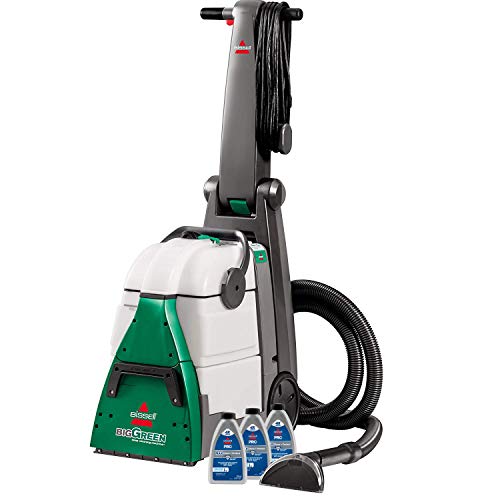

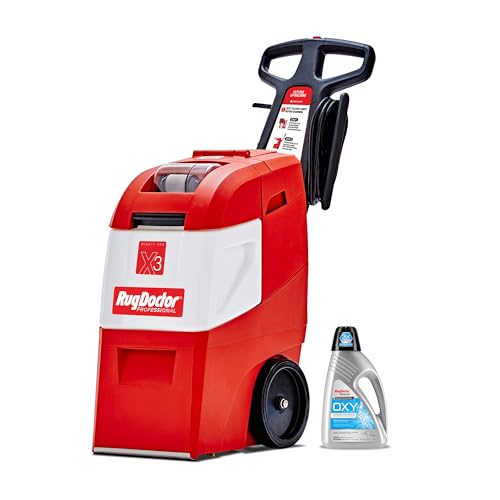


Clean and Dirty Tank Capacity
Tank capacity determines how many square feet you can wash before stopping to refill fresh solution or empty wastewater. Residential upright extractors usually hold between three-quarters of a gallon and nearly two gallons of water. In contrast, heavy-duty commercial machines feature solution reservoirs that hold up to ten gallons for uninterrupted commercial tasks.
Larger tanks save substantial labor time across wide open rooms and multi-room layouts. However, every gallon of water adds roughly eight pounds of operational weight to the machine. You should measure your total square footage against your comfort level pushing a heavier, water-filled machine across dense carpet piles.
Dual-tank separation is a non-negotiable requirement for high-efficiency extraction. Keeping clean wash water isolated from recovered dirty water prevents the recirculation of suspended soil back into the carpet. Look for wide-mouth tank openings with smooth inner walls to simplify post-cleaning rinsing and prevent lingering tank odors.
Motor Amperage and Vacuum Extraction Power
The suction motor is the true heart of any carpet extraction system. While brush agitation loosens bonded soil, strong vacuum airflow lifts dirty fluid out from deep within carpet backing. Machines drawing 10 to 12 amps or utilizing 1400-watt dual motors provide the static lift required to prevent damp, musty subfloors.
When comparing suction performance, examine water lift measurements and airflow volume rather than just advertised horsepower. Higher suction ensures that moisture is extracted on both forward and backward passes. Inadequate suction leaves soapy residues behind, which rapidly attracts new dirt and promotes mildew growth.
As a practical rule of thumb, high-performance residential extractors should pull up at least seventy percent of the liquid sprayed into the carpet. Units equipped with independent vacuum and brush motors ensure constant suction power even when navigating thick plush carpeting. This mechanical separation extends motor lifespan during rigorous whole-home deep cleaning jobs.
Brush Agitation Mechanics
Different extractor models utilize distinct brush systems to scrub carpet fibers from multiple angles. Rotating cylindrical brush rolls lift embedded hair and grit from deep inside the pile. Alternatively, counter-rotating disc brushes or vibrating brush bars scrub individual fiber sides without fraying delicate loops.
Dual brush roll systems double the scrubbing passes with each push of the machine. For homes with pets, look for antimicrobial brush bristles and removable brush covers that make hair removal straightforward. Tangled pet hair wrapped tightly around brush bearings can stall motors and reduce overall scrubbing friction.
Consider your specific carpet pile height before committing to an aggressive brush design. Berber and looped wool carpets require gentler agitation to prevent snagging or fiber fuzzing. Plush cut-pile carpets benefit from deep-penetrating bristle rows that separate fibers to let pressurized cleaning solution reach deep grime.
Key Specifications Comparison
Comparing technical specifications across categories helps pinpoint the right balance between machine footprint and cleaning capability. The table below outlines standard performance metrics found across modern extractors.
| Extractor Category | Typical Tank Capacity | Cleaning Path Width | Average Machine Weight | Best Suited Application |
|---|---|---|---|---|
| Compact Upright | 0.75 – 1.0 Gallons | 10 – 11 Inches | 16 – 19 lbs | Small apartments and quick spot cleanups |
| Heavy Residential | 1.25 – 1.75 Gallons | 11 – 12 Inches | 25 – 35 lbs | Multi-room homes, pet owners, seasonal deep cleans |
| Light Commercial | 1.75 – 2.5 Gallons | 10.5 – 12 Inches | 40 – 55 lbs | Rental properties, high-traffic corridors, heavy stains |
| Full Commercial Box | 8.0 – 10.0 Gallons | 16 – 18 Inches | 70 – 110 lbs | Offices, hospitality venues, expansive carpeted halls |
Carefully evaluating your storage space alongside these dimensional specs ensures comfortable handling. For more seasonal maintenance advice, check our practical home care guides to streamline your cleaning schedules.
Cleaning Path Width and Working Efficiency
The cleaning path width dictates the surface area washed with each linear pass across your floor. Residential extractors feature nozzle widths between 10 and 12 inches, making them nimble around furniture and tight hallway baseboards. Commercial models boast cleaning widths of 18 inches, dramatically reducing total walking distance across large spaces.
While wider nozzles clean open living rooms faster, they are harder to maneuver through tight bedrooms. If you have crowded rooms with nightstands, dressers, and storage bins, a standard 11-inch cleaning path offers superior control. Selecting the right width depends directly on the density of furniture in your carpeted rooms.
Edge-to-edge suction channels along the sides of the cleaning head are equally critical. High-grade extractor heads direct suction across the full perimeter of the nozzle rather than concentrating airflow solely in the center. This design pulls water right up against baseboards where dark soil lines commonly develop.
Solution Heating and Drying Technologies
Warm water significantly improves detergent activation and breaks down oily soils faster than cold water alone. Many extractors incorporate internal heaters or exhaust-diverting heat plates that maintain warm solution temperatures across long cleaning sessions. Applied heat helps dissolve ground-in grease without relying on harsh chemical formulations.
Drying technology is just as crucial as washing power when working in busy households. Features like dedicated express cleaning modes spray less moisture while maximizing vacuum extraction to dry carpets in roughly thirty minutes. Standard deep-cleaning passes can take anywhere from four to eight hours to dry completely depending on room ventilation.
To accelerate drying, make sure to perform dry passes with the spray trigger released after each wet extraction pass. Double-extracting each section pulls out lingering solution droplets trapped near the primary backing. Good airflow from ceiling fans or open windows further speeds up moisture evaporation.
Hose Reach and Specialized Attachments
Carpeted staircases, upholstered sofas, and tight automobile footwells cannot be cleaned using an upright floor nozzle. A flexible accessory hose measuring between 8 and 10 feet lets you leave the heavy main unit on the floor while cleaning steps safely. Sturdy hose storage brackets prevent tripping hazards while maneuvering the machine.
Specialized attachments expand your extractor into a versatile whole-home sanitizing tool. Look for specialized pet upholstery tools that trap coarse pet fur inside a separate container before it enters the primary hose. Targeted crevice tools allow pressurized cleaning along tricky couch cushions and carpeted corners.
Trigger-activated spot sprayers integrated directly into the floor head provide instant pre-treatment for heavy stains. Blasting focused enzyme solution onto coffee spills or wine marks loosens the spot before the main brush passes over it. This eliminates the need to carry a separate hand spray bottle across the room.
Machine Weight, Maneuverability, and Storage
An extractor that is excessively heavy or awkward to store often ends up neglected in a closet. Empty residential extractors typically weigh between 18 and 30 pounds, allowing straightforward carrying between multiple floors. Commercial units can exceed 50 pounds dry, often requiring two people or ramp access for multi-story transport.
Look for large rear transport wheels and folding or collapsible handles to make maneuvering and storing simpler. Foldable handles reduce vertical height, allowing the extractor to fit underneath utility shelving. If you are also organizing closets, reading our guide on organizing home storage solutions can help clear floor space.
Balance ergonomics against machine sturdiness based on how frequently you plan to wash your floors. Heavy commercial chassis built from high-density polyethylene resist cracks and chemical degradation over decades of service. Lighter ABS plastic designs offer exceptional ease of movement for routine residential upkeep.
Maintenance Simplicity and Cleaning Access
Carpet extractors collect heavy mixtures of hair, lint, and dirty water that can spoil quickly inside the machine. Removable brush roll nozzles and snap-off brush cartridges make clearing trapped debris quick and painless. Machines with sealed, non-removable floor nozzles make clearing clogs frustrating and time-consuming.
Tanks should feature wide fill openings and unobstructed interiors that can be completely wiped clean after use. Trapped dirt along tank seams generates unpleasant odors that circulate into the air during subsequent cleaning sessions. Smooth plastic containers allow thorough rinsing in a standard utility sink.
Routine maintenance protects vital mechanical components from mineral deposits and chemical buildup. Always run a small amount of clean warm water through the solution lines after completing a deep clean. This simple step clears residual detergent before it can crystallize inside delicate spray nozzles.
Why You Should Trust Us
Our review process relies on systematic data analysis across technical specifications, manufacturer engineering standards, and verified performance metrics. We evaluate fluid dynamics, motor wattage ratings, brush agitation mechanics, and long-term durability across top brands. You can explore our comprehensive buying guides to learn more about our rigorous research methodologies.
We monitor consumer feedback trends and repair histories to understand how these machines perform in real-world environments over time. By evaluating tank sealing integrity, motor thermal protection, and hose durability, we separate dependable appliances from fragile alternatives. Our editorial team remains entirely independent, ensuring objective recommendations based purely on consumer utility.
Final Thoughts
Selecting the right carpet extractor depends on your floor area, pet ownership, and tolerance for machine weight. For commercial-grade extraction power and heavy-duty reliability at home, the BISSELL Big Green Professional Carpet Cleaner remains our top overall recommendation. Its large 1.75-gallon tank and robust two-way scrubbing brushes deliver thorough soil removal across large rooms.
If you need an agile, lightweight machine designed specifically to handle pet accidents and quick cleanups, the BISSELL ProHeat 2X Revolution Pet Pro Plus Carpet represents our favorite balanced option. It features a fast-acting CleanShot pretreater and an express cleaning mode that dries carpets in approximately thirty minutes.
Budget-conscious homeowners who want dependable cleaning performance with versatile attachments should consider the Hoover PowerScrub Deluxe Carpet Cleaner Machine. Its counter-rotating brushes and automatic solution mixing system take the guesswork out of regular floor maintenance. Pairing the right machine with consistent care keeps carpets looking fresh and extending their usable life for years.
FAQs
How often should carpets be deep cleaned with full-size extractors?
Most carpet manufacturers recommend deep cleaning carpets every six to twelve months under normal household conditions. Homes with active pets, young children, or high foot traffic benefit from seasonal cleaning every three to four months. Regular extraction prevents gritty dirt from grinding down carpet fibers at their base.
What makes Best Full-Size Carpet Extractors in 2026 different from standard vacuums?
Standard vacuums only remove dry surface dirt using dry airflow and spinning brushes. Full-size carpet extractors inject pressurized water and cleaning detergent deep into carpet backing before using high-powered suction to extract the dissolved grime. This washing process removes embedded spills, oily residues, and set-in odors that dry vacuums leave behind.
Can you use regular dish soap or laundry detergent in a carpet extractor?
You should never use standard dish soap or regular laundry detergent inside a mechanical carpet extractor. These household soaps produce excessive foaming that can choke the vacuum motor and damage internal electrical components. Always use low-foaming carpet formulas specifically formulated for machine extractors to protect your equipment.
How long does carpet take to dry after a deep extraction cycle?
Carpet drying times typically range from two to eight hours depending on suction efficiency, humidity, and room airflow. Modern machines featuring express cleaning modes can dry floors in roughly thirty to forty-five minutes. Performing extra dry passes without holding the spray trigger removes residual water and speeds up drying times considerably.
Are full-size carpet extractors safe for all carpet materials?
Most synthetic fibers like nylon, polyester, and triexta handle extraction cleaning exceptionally well. Natural fibers like pure wool or silk require specialized low-moisture cleaning formulas and gentler brush settings to avoid shrinkage. Always test your cleaning solution on a hidden corner of the carpet before treating an entire room.
Why is dual-tank separation essential on modern extractors?
Dual-tank systems completely isolate fresh water and clean detergent from the recovered dirty wastewater. Without separate tanks, contaminated water would get recirculated across the carpet during extended cleaning passes. This separation guarantees that only fresh, sanitized solution touches your floor fibers throughout the entire job.
Can full-size extractors be used on hardwood or tile flooring?
Standard carpet extractors are designed strictly for soft surfaces like carpets, rugs, and fabric upholstery. Using high-flow carpet nozzles on bare wood can push moisture beneath floorboards, leading to warping or water damage. For hard surfaces, explore specialized bare-floor tools on our bath and home cleaning resource pages.
What causes a carpet extractor to suddenly lose suction power?
Sudden suction loss is commonly caused by a full dirty water tank activating its internal float shutoff valve. Other common culprits include loose tank lids, clogged floor nozzles, or pet hair trapped around brush bearings. Emptying the recovery tank and rinsing the nozzle channel usually restores peak suction immediately.
Is pre-treating heavy traffic lanes and pet stains necessary?
Pre-treating stubborn traffic lanes and pet stains breaks down dried oils and biological matter before you start machine washing. Allowing an enzymatic pre-spray to sit for ten minutes loosens bonded pigments so the extractor can lift them in one pass. Pre-treating reduces the number of wet passes needed, which keeps carpet backing drier.
How should a carpet extractor be stored to prevent mold and mildew odors?
Always empty, rinse, and thoroughly air-dry both water tanks before assembling and storing your extractor. Clear any accumulated hair from the brush rolls and wipe moisture from the front extraction nozzle. Leaving tank caps slightly loose during storage allows airflow and prevents unpleasant mildew smells from forming inside sealed chambers.




Write Your Review
No reviews yet. Be the first to share your experience!