

Stepping into home improvement often starts with awkward cuts on makeshift surfaces. Balancing lumber across patio chairs or scrap cinder blocks leads to uneven cuts and serious safety hazards. Selecting reliable supports transforms any open driveway or basement corner into a secure cutting workstation.
This updated September 2026 guide analyzes 7 versatile supports built specifically for residential DIY builders. Whether your goals include building garage shelves or trimming interior trim, modern work stands feature fast deployment mechanisms, onboard clamping options, and space-saving folding profiles. If you are setting up your workspace alongside other home upgrades, take a look at our How To hub for practical tutorials.
Choosing the wrong stand can mean dealing with wobbly legs, pinched fingers, and wasted storage room. Our deep dive breaks down weight capacities, stability features, and assembly speeds to help you pick the right foundation for your budding workshop.

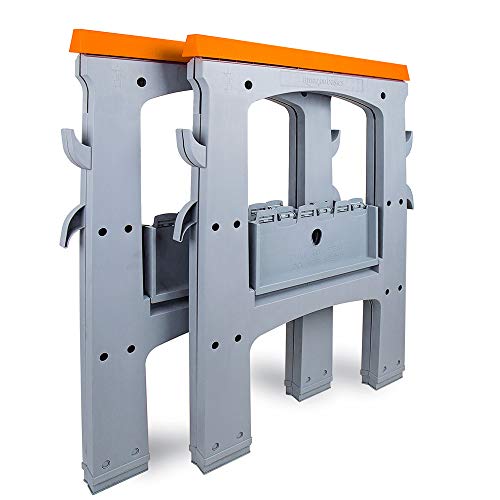

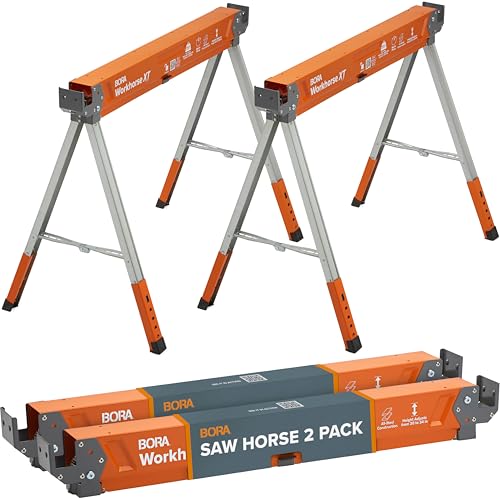


Weight Capacity and Structural Rigidity
Weight capacity determines how much heavy lumber, sheet goods, and equipment your workstation can support safely. Beginners often underestimate the downward pressure created when leaning into a heavy circular saw cut. A stand rated for low weight will flex or shift mid-cut, ruining your workpiece.
Look closely at whether the advertised weight limit applies to a single unit or a matched pair. Many models list impressive numbers that actually require two units working in unison. A combined capacity between 700 and 1,800 pounds offers plenty of overhead for beginner cutting tasks.
As a rule of thumb, aim for a capacity at least three times the weight of your heaviest raw materials. Sheet plywood weighs around 50 pounds, but adding your own body weight pushes stress levels much higher. Sturdy steel cross-bracing ensures the legs stay rigid under dynamic working loads.
Frame Material and Durability
The material used in the main body shapes the balance between portability and heavy-duty strength. Molded plastic composites resist moisture, rust, and accidental scrapes while remaining easy to lift. Steel frames provide exceptional strength and rigidity, making them impervious to heavy jobsite knocks.
Plastic options work well for light painting, trim work, and basic carpentry in sheltered garages. Metal designs stand up to frequent outdoor setup, heavy timber stacking, and repeated vehicle transport. Some hybrid workbenches also use lightweight aluminum framing to cut down on total carrying heft.
Consider your primary storage environment when choosing your frame composition. If your tools live in a damp shed or outdoor lean-to, non-corrosive plastic frames maintain their integrity without rusting. For heavy demolition cutting or thick beam work, powder-coated sheet steel remains the superior choice.
Deployment and Folding Mechanisms
Setting up your work area should take seconds rather than several frustrating minutes of adjustments. Advanced modern designs feature single-latch releases where gravity drops the legs into position automatically. Traditional frames require unpinning and extending each leg individually before locking cross-spreaders into place.
Inspect how easily the release tabs operate when you are wearing thick work gloves. Stiff release buttons can pinch fingers or demand excessive force just to break down the stand. Smooth folding linkages encourage you to pack your tools away properly after every single session.
If you have limited time for weekend builds, prioritize quick-deploy legs that pop open instantly. Units that store their legs inside the top beam create neat, self-contained packages. That compact footprint saves valuable square footage in crowded residential workshops and utility areas.
Height Adjustability and Ergonomics
Standard working height usually rests near 30 inches, which works reasonably well for average adult builders. However, spending hours hunched over low supports causes severe lower back and neck fatigue. Adjustable legs allow you to raise the cutting deck to a comfortable height of 34 or 35 inches.
Independent leg adjustment is particularly valuable if you work on uneven ground, cracked concrete, or sloped lawns. Moving each leg pin by single-inch increments lets you level the top support beam without using shims. This stability keeps large boards from sliding off while you cut.
For projects requiring fine detail like pocket-hole joinery or sanding, a higher deck reduces physical strain. When breaking down heavy sheet lumber, a lower setting gives you better leverage over your guide track. Matching the working plane to your specific stature prevents painful post-project soreness.
Material Comparison Overview
Comparing essential specifications helps you match the proper work stand to your specific workshop layout. The table below outlines standard benchmarks across the most common product configurations.
| Feature Category | Molded Resin Units | Compact Steel Stands | Convertible Work Tables |
|---|---|---|---|
| Pair Weight Capacity | 700 to 1,000 lbs | 1,800 to 2,700 lbs | 500 to 1,000 lbs |
| Average Unit Weight | 4 to 8 lbs | 15 to 20 lbs | 25 to 30 lbs |
| Height Adjustment | Fixed Height | Select Models (1-in steps) | Multi-Position Columns |
| Built-in Clamping | External / Rare | 2×4 Support Brackets | Integrated Track Clamps |
| Weather Resistance | Impervious to Rust | Powder-Coated Steel | Mixed Plastic / Aluminum |
Selecting between these categories depends heavily on whether you value carrying ease over ultimate weight capacity. Take time to evaluate your storage space alongside other organization goals, like when you shop for a closet and storage system on a budget to keep gear organized.
Integrated Clamping and Work Holding
Securing your lumber firmly in place is fundamental to achieving straight, splinter-free cuts. Traditional stands require external C-clamps or quick-grips that often slip against smooth steel rails. Advanced entry-level options feature built-in bar clamps that slide along integrated top channels.
Work holding mechanisms allow solo woodworkers to secure awkward boards without needing a second helper. Some designs provide up to 300 pounds of clamping force directly from the main frame. Look for non-marring clamp pads to protect soft pine boards and finished furniture surfaces from dents.
If you plan to use bench dogs or custom hold-down clamps, check the upper surface for pre-drilled holes. Convertible units often double as clamping tables with matrix patterns for bench pegs. These accessories let you hold round, beveled, or irregular workpieces completely motionless while routing.
Workbench Conversion and Support Slots
Modern stands frequently offer dual support slots sized specifically to hold nominal two-by-four lumber on edge. By dropping sacrificial 2×4 framing studs across two stands, you instantly link them into a rigid structure. You can then lay a sheet of plywood over the top to create an expansive, sacrificial workbench.
Sacrificial wood rails allow you to cut full plywood sheets without risking blade strikes against metal crossbars. When a circular saw blade slices deep into the timber rails, your metal stands remain untouched. Replacing a chewed-up two-by-four stud costs very little while keeping your gear pristine.
Check that the side brackets feature pre-drilled screw holes to anchor your lumber runners securely. Fastening the framing boards eliminates shifting while you muscle full four-by-eight sheets onto the table. This setup delivers jobsite utility comparable to dedicated commercial layout benches.
Portability, Weight, and Storage Footprint
Beginner woodworkers rarely have massive dedicated workshops, making efficient storage essential. A quality set of stands should collapse into a narrow profile that hangs on wall hooks or tucks under shelves. Many steel models include interlocking latches that lock two folded stands together into a single carrying bundle.
Weigh the physical heft of the equipment against how frequently you plan to move it around your property. Super-light resin models weigh around 4 to 6 pounds each, making them effortless to carry through doorways. Heavy steel options run closer to 18 pounds each, requiring ergonomic handles for comfortable transport.
Pay attention to the handle design and center of gravity when the legs are fully retracted. Contoured rubber grips prevent hand fatigue when hauling gear to a backyard worksite. Compact folding profiles also make it simple to slide the pair into a vehicle trunk for helping friends with weekend renovations.
Foot Design and Ground Stability
The foundation of any cutting stand rests entirely on how its feet contact the floor. Bare metal legs slide easily across smooth concrete garage slabs when pushed by a circular saw. High-traction rubber foot pads provide essential grip that prevents dangerous lateral walking.
Wider pivoting feet adapt better to soft soil, gravel pathways, or uneven decking boards. Standard narrow feet tend to sink into backyard lawns under heavy loads, throwing your cutting deck off level. Pivoting foot pads distribute downward force over a broader surface area to maintain stability anywhere.
Inspect how securely the rubber boots attach to the steel or plastic leg ends. Loose push-on caps often pull off when dragged across rough asphalt, exposing bare metal underneath. Molded or mechanically fastened rubber pads stay put through years of rigorous DIY projects.
Why You Should Trust Us
Our product evaluations rely on structured data analysis, verified technical specifications, and real-world workshop practicalities. We do not accept sponsored placements or allow tool manufacturers to influence our editorial conclusions. Every model featured in our reviews is evaluated against objective benchmarks tailored directly to residential home improvement.
To build this guide, we compared crucial mechanical metrics across the current tool market. We examined structural joint thickness, tested folding latch mechanisms, analyzed weight-to-capacity ratios, and surveyed user feedback on long-term durability. We also verified how easily common dimensional lumber fits into built-in support brackets without extra modification.
Tool designs evolve constantly with new latch patents and material improvements, so our database stays up to date. We continuously monitor structural revisions, hardware updates, and user experiences across major DIY communities. Our goal is delivering clear, actionable buying advice that keeps your workshop safe, efficient, and budget-friendly.
Final Thoughts
Selecting the right cutting foundation makes every subsequent home improvement task safer and more accurate. For high-capacity support paired with smooth transport, our top overall pick is the WORKPRO Folding Saw Horses 2 Pack. Its 1,800-pound pair capacity and clever Lock & Carry system deliver exceptional structural reliability for garage woodworking and heavy timber cuts.
If you need an ultra-budget solution for quick painting jobs or trimming deck boards, look to the Ironton Foldable Plastic Sawhorses. These lightweight units provide 700 pounds of reliable support, fold completely flat, and will never rust if left on a damp patio. They offer dependable basic utility without cluttering your budget or workspace.
For ambitious crafters who want a versatile cutting station with built-in holding power, the Pony Portable Folding Work Table is an outstanding multi-functional investment. It transitions effortlessly between a standard sawhorse and a clamping table, complete with bar clamps, bench dogs, and height-adjustable legs. You can explore complementary workshop setup ideas in our guide on how to simplify your closet and storage system to keep hand tools and gear neatly organized.
Frequently Asked Questions
What makes Best Saw Horses for Beginners in 2026 different from professional jobsite stands?
Beginner stands focus heavily on lightweight materials, compact storage, and intuitive folding latches that require no special tools. Professional contractor stands often emphasize massive weight thresholds and heavy steel construction that can be cumbersome to haul around a home. Beginner models strike an ideal balance of practical strength, safety features, and hassle-free operation.
Do I really need to buy a pair of sawhorses or is one enough?
Most woodworking and home improvement projects require two sawhorses to properly support lumber at both ends. Using a single stand leaves one end of your board drooping, which can bind saw blades and cause hazardous kickback. While single units work for clamping tiny workpieces, buying a matched pair provides the stability needed for safe cutting.
How do 2×4 support slots work on modern metal sawhorses?
Support slots hold standard two-by-four dimensional boards on edge along the sides of each stand. By bridging two stands with parallel 2x4s, you create a rigid frame that holds an entire sheet of plywood. This turns your portable stands into a disposable cutting table where saw blades cut the 2x4s rather than the metal frame.
What is the ideal working height for a beginner sawhorse?
Most fixed-height work stands sit between 29 and 30 inches tall, matching standard furniture heights. This height provides good mechanical leverage when cutting downward with a circular saw or handsaw. If you are taller than six feet, consider adjustable models that extend to 34 or 35 inches to prevent back strain.
Can plastic sawhorses handle heavy power tool cutting?
High-impact composite plastic stands support between 700 and 1,000 pounds per pair, which easily handles circular saws and miter saws. They feature internal honeycomb ribs to provide vertical rigidity without adding excessive weight. However, metal stands remain preferable if you regularly cut heavy structural beams or large timber posts.
How should I store folding sawhorses in a small garage?
Most folding models collapse into slim beams measuring just a few inches thick. You can hang them from heavy-duty utility wall hooks, slide them under workbench drawers, or store them upright behind doors. Models with interlocking latches clip together so you can lean the pair against a wall without them sliding apart.
Are built-in bar clamps necessary for entry-level woodworking?
Integrated clamps are not mandatory, but they dramatically improve safety and precision for solo DIYers. Holding a board firmly with your free hand while operating a circular saw increases the risk of serious slip accidents. Built-in clamps lock the material fast in seconds, letting you keep both hands securely on your power tools.
How do I prevent my circular saw blade from cutting into my metal sawhorse?
Never cut materials resting directly across bare metal beams, as hitting steel will ruin your blade teeth instantly. Screw sacrificial scrap two-by-fours into the top mounting holes or lay down a sacrificial sheet of rigid foam board. The saw blade cuts safely into the sacrificial buffer while your sawhorse frame stays completely protected.
What weight capacity should a beginner look for in 2026?
A combined capacity of 700 to 1,000 pounds per pair is more than adequate for basic DIY projects like building planters or cutting plywood. If you plan to stack heavy framing studs or set up a portable table saw station, look for steel models rated for 1,800 pounds or more. Higher capacities also provide better lateral resistance against wobbling.
Why are non-slip rubber feet so important on cutting stands?
Smooth concrete garage floors offer very little grip against bare metal or plastic legs. When pushing a power tool through dense wood, the lateral force can cause an unpadded stand to slide away from you unexpectedly. Quality rubber feet grip the floor tightly, keeping your cut line steady and your working stance safe.




Write Your Review
No reviews yet. Be the first to share your experience!