

Finding proper control on technical trails starts right at your handlebars. Many female riders struggle with stock handlebars and standard grips that feel overly bulky or excessively stiff on long descents. Upgrading your setup improves your cockpit ergonomics and prevents hand fatigue before it cuts your ride short.
We evaluated 7 options in September 2026 to find the standout models for hand support, dampening, and trail security. With brands like Ergon, GPMTER, Funn and more refining their rubber compounds and ergonomic contours, selecting the right pair is easier than ever. You can explore our complete collection of tutorials in our How To category to optimize every part of your gear.
Choosing the wrong contact points often leads to arm pump, slipping palms during wet rides, or accidental rotation on steep descents. This detailed guide breaks down the essential technical considerations so you can match the right grip style directly to your hand size and preferred riding discipline.
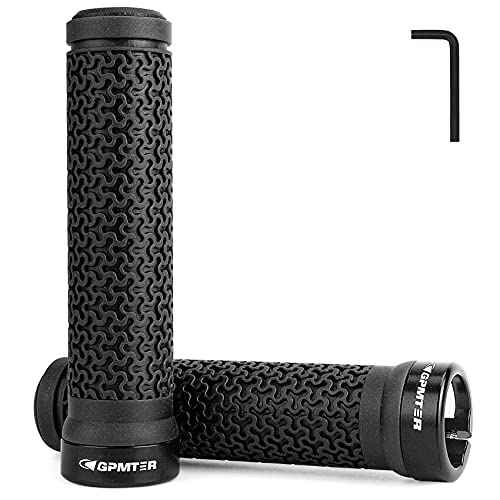


Buying Guide: Choosing the Best Mountain Bike Grips for Women
Outer Diameter and Grip Thickness
Grip diameter plays the single largest role in preventing hand cramps and finger strain. Riders with smaller hands frequently overcompensate when holding thick grips, which causes forearm tightness within minutes of riding. Standard trail grips range from 29 millimeters to 34 millimeters in outer profile.
Thinner profiles around 30 millimeters allow your fingers to wrap completely around the bar without straining your tendons. This secure wrap gives you immediate control over your brake levers and shifters on technical terrain. Conversely, riders who want maximum vibration damping may prefer slightly thicker rubber zones under their palms.
A reliable rule of thumb is to measure your glove size before picking a diameter. If you wear small or medium riding gloves, stick to grips measuring between 29 millimeters and 31 millimeters. Larger hands or riders dealing with arthritis often benefit from tapered designs that widen only where the palm rests.
Rubber Compound and Durometer Rating
The softness of the rubber compound directly impacts tactile traction and trail longevity. Softer compounds offer immediate tackiness and absorb high-frequency trail buzz before it reaches your wrists. However, ultra-soft compounds tend to wear down more quickly when exposed to grit and dirt.
Firmer rubber mixtures resist tearing during crashes and provide long-lasting texture across hundreds of trail miles. The trade-off is a firmer contact feel that transmits more chatter from rocky surfaces. Many modern manufacturers combine dual-density compounds to place soft rubber on top and firm rubber underneath.
Look for specialized synthetic rubber blends that maintain their flexibility across temperature shifts. Softer compounds are ideal if you ride without gloves or prioritize maximum comfort on rough descents. Firmer compounds suit riders who want a crisp, direct bar feel and maximum seasonal durability.
Single Versus Double Lock-On Clamping
Lock-on mechanisms secure the grip core directly to the handlebar using aluminum collar rings. Single lock-on grips feature an inner clamp near the controls, leaving the outer edge seamless and comfortable for your outer palm. This design reduces pressure points if you naturally rest your hands on the bar ends.
Double lock-on grips feature collars on both the inner and outer ends of the grip sleeve. This dual-ring layout provides maximum rotational security under aggressive riding forces or heavy torque. The outer aluminum collar can feel cold or hard against your palm if your hand overhangs the bar.
For most cross-country and trail setups, a single inner lock clamp provides more than enough holding power while keeping the outer edge soft. Downhill and enduro riders tackling aggressive drops often prefer double lock-on configurations to eliminate any chance of slippage during rough impacts.
Ergonomic Wing Shapes Versus Traditional Cylinders
Handlebar grips generally fall into two primary shape profiles: classic round cylinders and contoured ergonomic wings. Classic round profiles offer uniform hand placement and allow complete freedom of movement during aggressive body adjustments. They are the standard choice for technical trail riding and jump tracks.
Ergonomic winged grips feature a flattened supportive platform designed to distribute palm pressure evenly. This extra surface area relieves direct compression on the ulnar nerve and prevents numbness during long endurance rides. For riders seeking organized trail gear advice, checking our detailed Guides can help streamline your equipment selection.
If your rides involve technical descents where you frequently drop your wrists, a round or semi-ergonomic grip is ideal. If you spend hours on gravel paths, fire roads, or bikepacking routes, an ergonomic paddle shape will protect your wrists from lingering soreness.
Vibration Damping and Internal Core Design
Trail chatter from roots and rocks travels directly through your fork and handlebars into your upper body. Grips with engineered internal cores use cutouts or tapered plastic sleeves to allow extra rubber cushioning beneath high-impact palm zones. This mechanical damping reduces hand fatigue during continuous descents.
Solid plastic cores transmit more shock, requiring your fingers to grip tighter over rough terrain. Advanced options feature variable core thicknesses that isolate your hands from aluminum or carbon handlebar stiffness. This subtle cushioning keeps your grip relaxed and prevents arm pump on extended downhill runs.
When reviewing grip specifications, inspect whether the internal plastic sleeve extends fully to the grip edge. Grips that minimize rigid inner plastic near the outside edge provide significantly better impact absorption when leaning through tight berms.
Surface Texture Patterns and Directional Grooves
Surface knurling and grooving dictate how securely your hands stay anchored under varied trail conditions. Diamond knurling provides predictable, multi-directional friction suitable for gloved riding in dry climates. Ribbed or mushroom patterns flex under pressure to create a soft, shock-absorbing interface.
Directional waffle patterns on the underside offer dedicated purchase for your fingertips when pulling up on the bars. These raised ribs give your fingers mechanical leverage without requiring excessive grip strength. Many premium grips blend mushroom tops with waffle undersides for a balanced feel.
Consider your personal preference for riding with or without gloves when evaluating surface texture. Highly aggressive, sharp knurling can irritate bare skin over several hours, making softer waffle or ribbed textures a better alternative for glove-free riders.
Weather Resistance and Moisture Management
Sweat and rain can quickly turn smooth rubber into a slippery surface if the tread channels are shallow. Grips designed with integrated siping channels push moisture away from the contact patch, maintaining reliable traction in sudden downpours. High-friction rubber formulas prevent your hands from shifting when wet.
UV resistance is another critical metric that prevents rubber compounds from breaking down under intense sunlight. Inferior rubber formulas often turn sticky and degrade after a single season of outdoor exposure. Premium thermoplastic elastomer blends retain their structural integrity and grip across varying weather conditions.
Riders in humid or rainy climates should prioritize deep groove channels that disperse water quickly. If you frequently ride in dusty areas, open tread designs prevent silt from packing into the texture and reducing your hold.
Bar End Protection and Overall Durability
The ends of your handlebars are vulnerable to scraping against trees, rocks, and dirt during routine riding. Integrated end caps with reinforced hard rubber or aluminum shields prevent the grip ends from tearing during crashes. Durable bar ends also protect your handlebars from filling with dirt or suffering structural damage.
Grips with fragile open ends require separate plastic plugs that can easily pop out during transit or minor spills. Integrated, hardened ends offer seamless longevity and keep the cockpit looking clean season after season. They also eliminate the need to hunt down replacement end plugs.
Check that the outer edge construction matches your riding style. Aggressive trail riders should always choose reinforced bar ends to withstand brush strikes and inevitable tip-overs on narrow singletrack.
| Grip Style | Recommended Hand Size | Primary Benefit | Ideal Terrain |
|---|---|---|---|
| Slim Round Lock-On | Small to Medium | Precise bike control | Technical Singletrack & XC |
| Ergonomic Winged | Medium to Large | Ulnar nerve pressure relief | Touring, Bikepacking & Commuting |
| Dual-Compound Waffle | Universal | Finger traction in mud | All-Mountain & Enduro |
| Extra-Cushioned Thick | Medium to Large | High vibration damping | Rocky Trails & Downhill |
Why You Should Trust Us
Our editorial approach relies on systematic data analysis and strict technical evaluation of cycling components. We compare manufacturer specifications, material compositions, clamping security, and ergonomic layouts across top brands. By focusing on verified user feedback and measurable dimensions, we provide unbiased recommendations.
We monitor developments across the cycling industry to ensure our guidance reflects modern handlebar standards and rubber technologies. Rather than relying on marketing claims, we evaluate structural designs based on mechanical advantages and ergonomic facts. You can explore how we evaluate home and lifestyle setups in our comparison on storage containers and bins.
Our goal is to help you find equipment that directly resolves discomfort on the trail. We maintain complete independence from component manufacturers, giving you transparent comparisons that put rider comfort and safety first.
Final Thoughts
Selecting the right contact points transforms your overall comfort, control, and confidence on any trail. For riders seeking an exceptional balance of trail feedback and plush vibration damping, the Ergon GA2 Fat MTB All-Mountain Bike Grips stand out as our top overall choice. Their German-engineered rubber and ergonomic layout offer superb relief for your palms on technical terrain.
If you need maximum security and comfort without overspending, the FIFTY-FIFTY Double Lock-On Mountain Bike Grips represent our best value recommendation. Their dual-lock clamping rings prevent any slippage during intense rides, while the textured pattern maintains traction in wet conditions. For additional household and lifestyle optimization guides, read our tips on organizing storage systems.
Riders struggling with persistent hand numbness or wrist pain should look closely at the SOLODRIVE Ergonomic Design Mountain Bike Grips. The broad palm support reduces pressure on sensitive nerves, making long rides far more enjoyable. Choosing any of these curated models will immediately improve your riding experience and keep hand fatigue at bay.
Frequently Asked Questions
What makes the Best Mountain Bike Grips for Women different from standard grips?
Grips tailored for female riders often feature slimmer outer diameters to accommodate smaller hands comfortably. They also prioritize softer compounds and specialized palm zones that reduce wrist pressure without adding unnecessary bulk to the cockpit.
How do I know what grip diameter fits my hands best in 2026?
If you wear small or medium gloves, a grip diameter between 29 millimeters and 31 millimeters typically offers the best control. Riders who wear large gloves or desire extra damping should explore diameters between 32 millimeters and 34 millimeters.
Are single lock-on grips secure enough for aggressive trail riding?
Yes, modern single lock-on grips use rigid inner aluminum collars that provide exceptional clamping force on standard handlebars. They keep the outer edge smooth and comfortable while eliminating any risk of throttle twist during rough descents.
Can the Best Mountain Bike Grips for Women help reduce hand numbness?
Ergonomic profiles and vibration-absorbing rubber compounds significantly alleviate pressure on the ulnar and median nerves. By spreading palm pressure over a wider contact area, these designs prevent tingling fingers on extended rides.
Do all mountain bike grips fit standard handlebars?
Nearly all modern flat and riser mountain bike handlebars have a standard outer diameter of 22.2 millimeters at the grip area. This universal sizing ensures that lock-on grips fit seamlessly across mountain bikes, hybrids, and electric bikes.
How often should you replace your mountain bike grips?
Most active riders replace their grips once a season or whenever the tread pattern wears smooth. If the rubber becomes sticky, torn from crashes, or hard from UV exposure, replacing them restores critical traction and safety.
Is it better to ride with or without gloves when using textured grips?
Riding with gloves provides superior sweat absorption, blister prevention, and crash protection against rough terrain. However, soft rubber compounds with fine ribbed patterns can still be used comfortably without gloves on casual rides.
How do I clean my grips without damaging the rubber compound?
Use warm water, mild dish soap, and a soft nylon brush to scrub away dirt and trail grime. Avoid harsh chemical degreasers or petroleum-based cleaners, as these solvents can break down synthetic rubber compounds prematurely.
What is the benefit of winged ergonomic grips on technical descents?
Winged grips excel at supporting the wrist during long climbs and flat pedaling sections. However, aggressive descents requiring dropped wrists may feel slightly restrictive, making semi-ergonomic or round grips a more versatile choice for technical trails.
How do I properly install lock-on grips on my handlebar?
Slide the grip onto a clean, dry handlebar until it seats fully against the stop. Tighten the collar bolts using a hex key to the manufacturer torque specification, typically between 2 and 3 Newton meters, ensuring the grip does not rotate.





Write Your Review
No reviews yet. Be the first to share your experience!