

Struggling with nighttime airflow issues, snoring, or uncomfortable CPAP mask pressure can turn sleep into an exhausting chore. Investing in the Best Breathing Pillows helps open restricted airways, stabilize the neck, and improve respiratory alignment all night long. In this updated September 2026 guide, we analyze 7 top-rated options from leading brands like Contour, Kolbs, Lunix and more to help you identify the perfect match for your sleep routine.
Traditional flat pillows frequently push the head too far forward, collapsing sensitive throat tissues and worsening conditions like sleep apnea or acid reflux. Modern ergonomic supports combine targeted elevation with contour cutouts that protect CPAP hoses from leaking or pulling. If you want to improve your nightly recovery setup, pairing the right pillow with proper foundations from our Bedroom & Sleep guides creates an ideal sleep environment.
Many sleepers make the mistake of choosing a pillow based solely on softness rather than structural cervical support. Our guide details the exact features that matter most, including wedge angles, mask relief zones, and breathable thermal materials. Explore our comprehensive comparison below to find the most supportive option for easier nighttime breathing.




1. Upper Body Incline and Torso Elevation
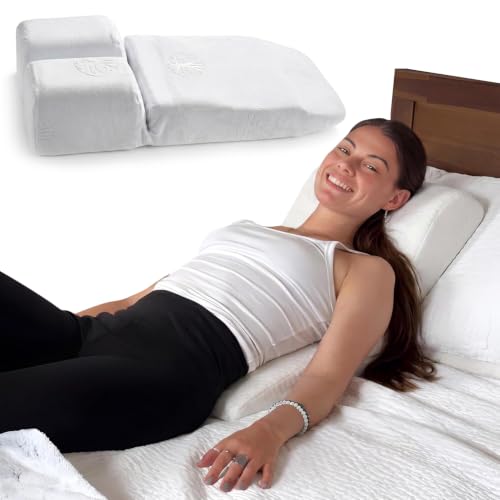
Torso elevation serves as one of the most effective mechanical methods to keep airways open and reduce nocturnal respiratory resistance. When you rest on an incline, gravity prevents the tongue and soft palate from collapsing backward into the throat. This physical angle also stops stomach acid from creeping upward into the esophagus, preventing irritation that triggers airway constriction.
Standard wedge pillows generally range from 7.5 inches up to 12 inches in height to cater to different medical needs. A gentle 7.5-inch elevation works well for minor snoring and gentle acid reflux relief without straining the lower back. Higher profiles near 12 inches provide robust elevation for individuals managing chronic conditions such as COPD or severe congestion.
When selecting an incline pillow, ensure the slope begins at the lower lumbar region rather than just bending your neck. Bending only the neck kinks the trachea and restricts airflow instead of opening it. Look for models that elevate the entire upper torso in a straight, supported line.
2. CPAP Mask Cutouts and Hose Clearance
Side sleeping with a continuous positive airway pressure mask often leads to frustrating air leaks when the mask presses against a standard pillow. This pressure dislodges the silicone seal, generating loud hissing sounds and blowing dry air into your eyes. Pillows engineered specifically for CPAP users feature dedicated side indents that allow masks and headgear to float freely.
To evaluate these cutouts, check whether the pillow accommodates both full-face masks and smaller nasal pillow styles. Deep, curved hollows along the left and right perimeter prevent the bulk of the mask from colliding with the cushion. This clearance prevents the headgear from twisting out of position when you turn over at night.
A reliable rule of thumb is to measure your mask frame extension from your cheekbone before buying. Ensure the cutout depth is at least two to three inches wide to allow natural head micro-movements. Proper mask clearance ensures your machine maintains consistent pressure without waking you up with leaks.
3. Cervical Spinal Alignment and Neck Support
Neutral spinal alignment is critical for keeping the pharynx wide and uncompressed throughout all sleep stages. When your neck tilts too far downward or bends excessively upward, the diameter of your airway decreases significantly. An orthopedic cervical contour supports the natural lordotic curve of the neck while cradling the base of the skull.
Check the central hollow and neck roll dimensions when comparing cervical support pillows. Back sleepers require a gentle concave center that prevents the head from rolling forward, while side sleepers need taller lateral bolsters. Proper balance ensures that the nose, chin, and sternum form a level line parallel to the mattress surface.
If you sleep on an uneven foundation, your cervical alignment can suffer regardless of the pillow design. Upgrading your sleeping base with options from our guide to the best bed frames without box springs helps maintain level spinal posture. Consistent horizontal support from head to toe maximizes the respiratory benefits of orthopedic pillows.
4. Foam Density and Core Support Structures
Foam density determines whether a breathing pillow retains its corrective geometry or sinks flat under the weight of your head. Low-density foams compress rapidly, losing the necessary elevation angle within hours of falling asleep. High-density medical-grade foam provides a firm base that keeps your neck and torso stably positioned through the entire night.
Look for multi-tier designs that combine high-density 45D base foam with a plush memory foam top layer. The dense foundational core delivers structural resistance, while the top comfort layer relieves pressure points around the ears and jaw. This dual-layer approach delivers therapeutic elevation without creating painful pressure spots on sensitive facial nerves.
Avoid single-layer soft polyfill pillows if you need strict elevation for respiratory conditions or sleep apnea. Fiber fill shifts unevenly, causing sudden dips in support that let the head drop backward or sideways. Opt for solid or molded memory foam cores that reliably hold their intended therapeutic contour.
5. Thermal Regulation and Air Circulation
Body heat accumulation around the head and neck causes restlessness, shifting, and disrupted breathing rhythms. Dense memory foam naturally traps thermal energy unless engineered with dedicated ventilation channels or cooling gel layers. Cooler sleeping temperatures promote deeper slow-wave sleep and reduce nighttime wakefulness caused by overheating.
Examine the construction for features like internal pin-core perforations, mesh side panels, and phase-change gel infusions. Ventilated foam cores allow warm air to escape through the sides of the pillow with every movement. Breathable mesh borders dramatically increase airflow across the inner chambers to prevent moisture accumulation.
If you are a naturally hot sleeper, choose a design with a dual-sided cover featuring cool-touch fabric on one side. Pairing a ventilated cushion with sturdy foundation slats from our review of the best bed slats allows air to circulate under and around your entire sleep setup. Optimal temperature management keeps your airways clear and comfortable.
6. Height Adjustability and Modular Configurations
Individual body proportions vary widely, meaning a fixed-height pillow rarely fits every sleeper perfectly. Broad-shouldered side sleepers need substantial loft to fill the shoulder gap, whereas back sleepers need lower elevation. Modular pillows with removable foam inserts or adjustable shredded fills allow you to personalize the height to your exact anatomy.
Multi-piece wedge sets take modularity a step further by offering interchangeable components for the neck, lumbar, and knees. Velcro connection straps and non-slip fabrics allow you to switch between steep upright sitting angles and gentle reclined sleeping slopes. This versatility is particularly helpful for individuals recovering from medical procedures or adjusting to new respiratory therapy routines.
When testing an adjustable pillow, remove or add layers gradually over several consecutive nights. Pay attention to how easily you breathe when lying on your side versus your back. Fine-tuning the loft in half-inch increments helps you discover the exact angle that minimizes airway obstruction.
7. Spec Comparison: Popular Breathing Pillow Designs
Different breathing pillow styles address distinct respiratory challenges, ranging from CPAP mask compatibility to full-torso acid reflux elevation. Reviewing key technical attributes helps clarify which configuration best matches your sleeping requirements.
| Pillow Category | Primary Function | Core Material | Target Sleep Style |
|---|---|---|---|
| CPAP Contour Pillow | Prevents mask displacement and leaks | Layered ventilated memory foam | Side and back sleepers |
| Torso Bed Wedge | Gravity elevation for reflux and snoring | High-density foam with memory top | Back and elevated side sleepers |
| Cervical Decompression | Maintains neck curvature and airway width | Ergonomic molded contour foam | Back and side sleepers |
| Adjustable Shredded Pillow | Custom loft and airflow ventilation | Virgin shredded foam fill | All sleeping positions |
Matching your primary sleep complaint to the right pillow category ensures optimal therapeutic results. While wedge pillows excel at whole-body elevation, contoured CPAP pillows provide specific mechanical clearance for medical equipment. Assessing your primary need simplifies selecting the most suitable model from the table above.
8. Cover Breathability and Hygiene Maintenance
Breathing pillows sit directly against your mouth, nose, and respiratory pathways for hours every night. Over time, pillow covers accumulate dead skin cells, perspiration, facial oils, and airborne allergens that can trigger respiratory allergies. A removable, machine-washable outer casing is essential for maintaining a clean, allergen-free sleeping surface.
Look for premium fabrics such as OEKO-TEX certified cotton, bamboo-derived rayon, or breathable jacquard weaves. These materials wick away moisture while allowing internal foam layers to ventilate freely without trapping odors. Zippered closures should run smoothly along the edge so you can remove and wash the cover without tearing the internal foam.
Wash your outer cover at least once every one to two weeks in warm water to eradicate dust mites and allergens. Avoid washing the solid memory foam core itself, as water saturation breaks down foam cell walls and destroys structural resilience. Routine outer cover laundering ensures your airways remain free from airborne irritants.
9. Healthcare Approvals and FSA/HSA Eligibility
Many therapeutic pillows engineered for sleep apnea, respiratory conditions, and neck traction qualify as medical devices. Products that meet recognized health standards are frequently eligible for purchase using Flexible Spending Accounts (FSA) or Health Savings Accounts (HSA). Using pre-tax healthcare dollars reduces the out-of-pocket expense for premium orthopedic equipment.
Verify whether the manufacturer specifies FSA/HSA eligibility on the product listing before completing your purchase. Certifications like CertiPUR-US further ensure the foam is formulated without harmful phthalates, heavy metals, or ozone depleters. Clean manufacturing standards protect vulnerable airways from breathing in noxious chemical off-gassing while sleeping.
Keep your digital invoice and product receipt stored safely in case your benefits administrator requires documentation for reimbursement. Investing in certified medical-grade pillows ensures you receive clinically valid support backed by recognized production standards.
Why You Should Trust Us
Our evaluation methodology focuses on objective technical criteria, verified material certifications, and real-world biomechanical performance. We systematically examine foam densities, contour dimensions, mask cutout geometry, and thermal regulation mechanisms across all featured models. This rigorous analysis ensures our guidance reflects genuine functional capability rather than marketing claims.
We continuously review consumer feedback trends and manufacturer design updates to keep our product selections current and practical. Our comparative scoring weights airway support, cervical stability, and material longevity to highlight genuinely effective sleep aids. We do not accept sponsored product placements, guaranteeing unbiased recommendations focused entirely on user health.
By monitoring emerging developments in sleep ergonomics, our team provides reliable, transparent advice for improving nighttime respiratory wellness. You can rely on our structured evaluations to make informed decisions that promote restful, uninterrupted sleep.
Final Thoughts
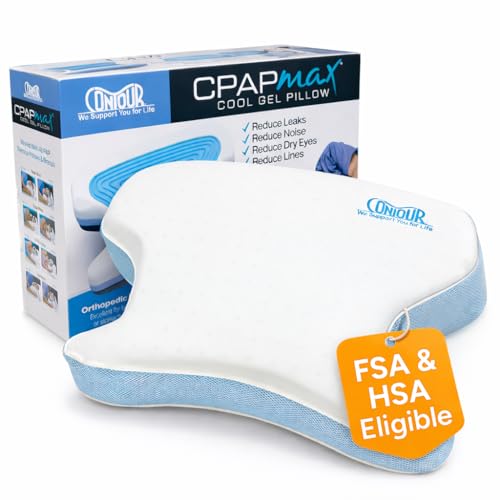
Choosing the right support can dramatically improve your nightly comfort and overall respiratory wellness. For dedicated CPAP users seeking an exceptional balance of cooling and mask stability, the Contour CPAPMax Cooling Gel Pillow serves as our top recommendation. Its ventilated layers, cooling gel surface, and deep side indents eliminate mask displacement while maintaining comfortable neck alignment.
If you are looking for an affordable, highly functional option with excellent neck support, consider the HSA/FSA CPAP Pillow for Side Sleeper. It delivers reliable memory foam firmness, tailored hose channels, and pre-tax health account eligibility at an accessible price point. For full-torso elevation to counter severe snoring or reflux, the Kolbs Bed Wedge Pillow for Sleep Apnea offers clinical-grade support that keeps the upper body comfortably inclined.
Before purchasing, consider your dominant sleep posture and whether your primary goal is mask clearance, airway elevation, or cervical pain relief. Review our expert guides for additional tips on building a healthier bedroom setup. Selecting a model tailored to your specific physical needs will help you enjoy deeper, quieter, and more restorative sleep.
FAQs
How do Best Breathing Pillows improve nighttime airflow?
These pillows use orthopedic elevation and cervical contours to keep the head, neck, and spine properly aligned. This structural alignment prevents the soft tissues in the throat from collapsing into the airway. By maintaining an open trachea, they reduce snoring and breathing interruptions.
Can a breathing pillow help with sleep apnea symptoms?
While a pillow cannot cure obstructive sleep apnea, it can significantly reduce mild symptoms by improving airway positioning. Contoured and wedge pillows keep the upper torso elevated and prevent the neck from flexing forward. This mechanical support helps keep airways clear throughout the night.
What makes a CPAP pillow different from a regular pillow?
CPAP pillows feature specialized cutouts and hollow zones along the sides to accommodate mask frames and air hoses. These recesses allow the mask to hover freely without pressing firmly into the pillow surface. This prevents mask shifting, skin irritation, and noisy air leaks.
What is the recommended incline height for acid reflux and snoring?
A bed wedge height between 7.5 and 10 inches provides an optimal incline for managing both acid reflux and snoring. This elevation angle utilizes gravity to keep stomach acids down and airways unobstructed without straining the lumbar spine. Taller 12-inch options are suitable for individuals requiring more pronounced respiratory elevation.
Are Best Breathing Pillows eligible for FSA or HSA reimbursement in 2026?
Many orthopedic and sleep apnea pillows qualify as eligible medical expenses under FSA and HSA guidelines in 2026. Products designed for chronic pain relief, CPAP compatibility, or respiratory support often qualify for pre-tax payment. Always verify eligibility with your plan administrator and retain your purchase invoice.
How do I clean and maintain a memory foam breathing pillow?
Always unzip and wash the removable fabric cover in a washing machine using mild detergent on a gentle cycle. Never submerge the solid memory foam core in water, as moisture damages the cellular foam matrix. Spot-clean the foam with a damp cloth and allow it to air-dry completely away from direct sunlight.
What should side sleepers look for in a breathing pillow?
Side sleepers require sufficient loft to bridge the gap between the shoulder and the ear while keeping the neck straight. Look for models with firm cervical contours and lateral mask recesses if you use a CPAP device. This combination keeps the head level and avoids awkward twisting that constricts the throat.
How long does it take to get used to an orthopedic breathing pillow?
Most sleepers require an adaptation period of three to seven nights to adjust to a structured orthopedic pillow. Because the foam encourages proper spinal alignment, your neck muscles may feel slightly unfamiliar with the posture initially. Once your body adapts to the ergonomic positioning, comfort and breathing ease improve significantly.
Do cooling gel layers really prevent overheating on foam pillows?
Cooling gel layers and ventilated pin-core channels actively dissipate trapped body heat away from the head and neck. They conduct thermal energy outward to maintain a balanced sleep surface temperature all night long. Combining gel foam with a breathable cover ensures consistent, cool airflow.
Can I use standard pillowcases on contoured CPAP pillows?
Standard rectangular pillowcases tend to bridge over the cutouts, neutralizing the specialized mask clearance zones. It is best to use the custom-fitted zippered cover supplied by the manufacturer to preserve the functional shape. If you use a regular pillowcase, choose an oversized, stretchy fabric that sinks into the contours.



Write Your Review
No reviews yet. Be the first to share your experience!