A coffee table under $200 is one of the hardest-working pieces in any living room. It holds your morning coffee, doubles as a footrest, and takes the brunt of kids, pets, and the occasional dropped remote. But affordable doesn’t always mean disposable – the real question most shoppers ask is how long a budget-friendly coffee table actually lasts before it starts wobbling, warping, or simply looking tired. This replacement guide breaks down realistic lifespans by material, the warning signs that tell you it’s time to shop again, and how to stretch the life of your current table as long as possible.
Average Lifespan of a Coffee Table Under $200
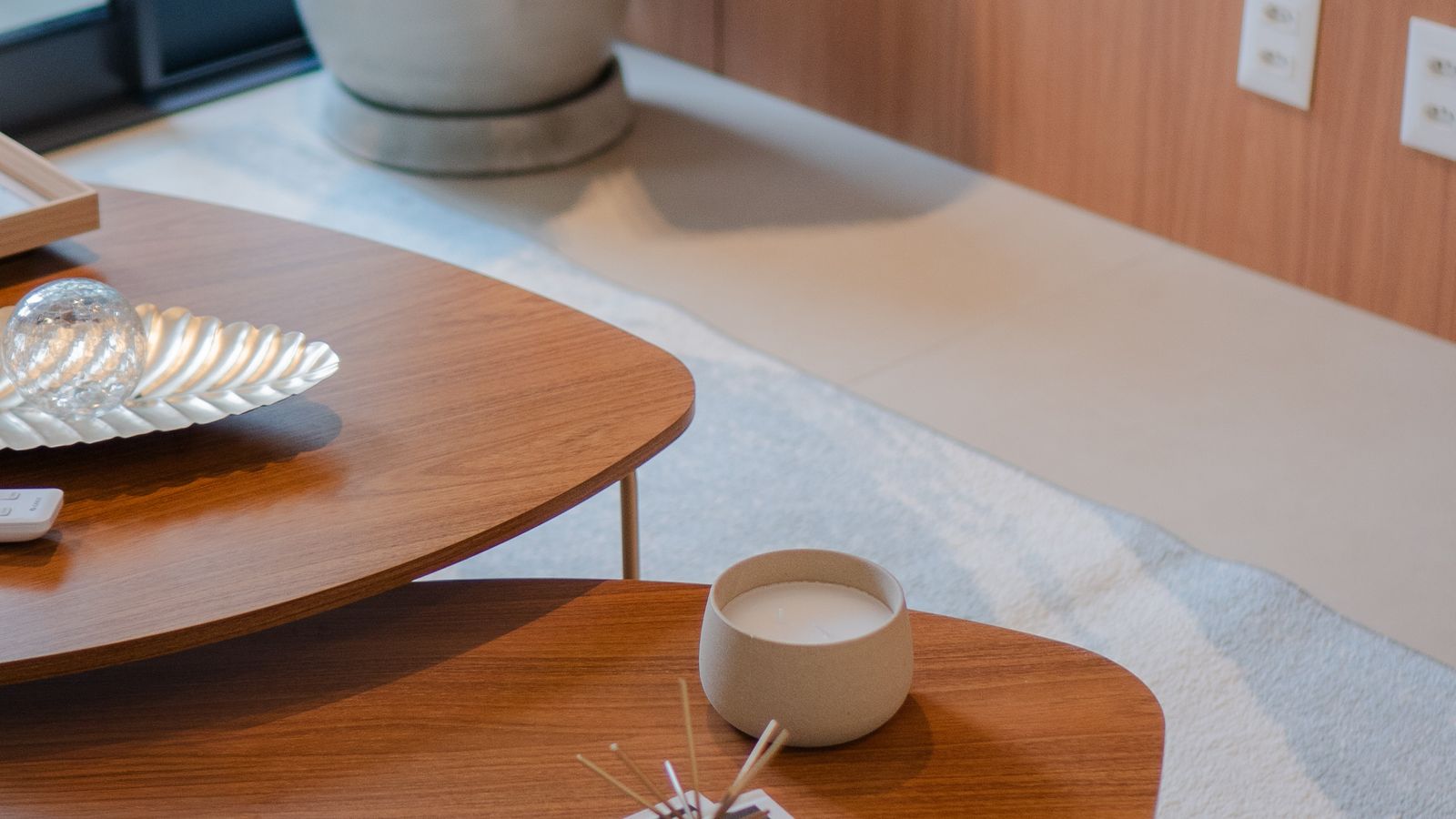
Most coffee tables in this price range are built from engineered wood (MDF or particleboard) with a laminate or veneer finish, sometimes paired with metal legs. On average, you can expect a well-cared-for budget coffee table to last **5 to 8 years** under normal household use. Tables that see heavy daily traffic – think toddlers climbing on them or large dogs bumping into the legs – often show wear closer to the 3 to 5 year mark. Solid wood or metal-frame options in this price bracket tend to last longer, sometimes 8 to 10 years, because the structural components resist sagging and joint failure better than pressed-wood panels.
Keep in mind that “lasting” doesn’t only mean the table stays standing. It also means it still looks presentable. A table can be structurally sound at year six but visually worn out from scratches, water rings, and faded finish – which is often the real trigger for replacement.
Factors That Shorten or Extend the Life of Your Table
Material Quality
Particleboard and MDF cores are the most common materials at this price point because they’re inexpensive to produce, but they’re also more vulnerable to moisture, chipping, and screw-hole stripping over time. Solid wood, bamboo, and powder-coated metal frames hold up noticeably better, even within the same budget tier.
Humidity and Sunlight Exposure
Coffee tables placed near windows or in humid climates age faster. UV exposure fades finishes and can cause laminate edges to lift, while humidity swings make engineered wood cores swell, warp, or delaminate.
Daily Use Patterns
A table used mainly for decorative purposes in a formal living room will easily outlast one that serves as a footrest, a workspace, and a play surface in a family room. Weight distribution matters too – repeatedly sitting or standing on a table rated only for light decorative use accelerates joint and leg failure.
Assembly and Hardware
Flat-pack furniture relies on cam locks, dowels, and particleboard screws. Each time a table is disassembled and reassembled (say, during a move), those connection points weaken slightly. If you’ve moved your table more than once or twice, expect its functional life to shorten.
Signs It’s Time to Replace Your Coffee Table
- Persistent wobble that returns even after tightening screws or bolts.
- Visible sagging in the tabletop, especially in the center between support legs.
- Cracked or peeling veneer/laminate exposing the raw particleboard underneath.
- Water damage such as swelling, soft spots, or discoloration around the edges.
- Stripped screw holes that no longer hold hardware securely, even with wood glue or inserts.
- Rust or corrosion on metal legs or brackets that compromises structural integrity.
- Outdated style that no longer fits your room’s look – a valid reason to replace even a structurally fine table.
If you’re noticing two or more of these signs at once, it’s generally more cost-effective to replace the table than to keep patching it, especially since budget-friendly options make refreshing your space affordable.
How to Extend the Life of Your Current Table
If your table isn’t quite ready for the curb, a few maintenance habits can add real years to its lifespan:
- Use coasters and placemats to prevent water rings and heat marks on the finish.
- Tighten hardware every few months – a quick check with a screwdriver or Allen key catches loosening before it becomes a wobble.
- Keep it out of direct sunlight or use curtains/blinds to reduce UV fading over time.
- Control indoor humidity with a dehumidifier in damp climates to prevent warping of engineered wood.
- Use felt pads under legs to reduce shifting on hard flooring and prevent floor scratches that come with movement.
- Avoid standing or sitting on it unless the table is specifically rated for that kind of weight.
- Clean with the right products – avoid harsh chemicals on laminate or veneer, which can dull or discolor the finish.
Repair vs. Replace: Making the Call
Minor issues like a loose leg, a scratched surface, or a squeaky joint are usually worth repairing. Wood glue, replacement cam locks, and touch-up markers can solve these problems for a few dollars. However, once the core structure is compromised – sagging tabletops, multiple stripped screw holes, or water-swollen particleboard – repairs tend to be temporary fixes at best. At that point, replacing the table is the more practical and often more affordable route, particularly when solid options exist within the same budget range you started with.
Choosing a Replacement That Lasts Longer
If you’re shopping for a new table, look for these upgrades that typically translate into a longer functional life without a big jump in price:
- Solid wood or bamboo tops instead of laminate-over-particleboard.
- Powder-coated metal legs, which resist rust and bending better than hollow tubing.
- Reinforced corner brackets rather than relying solely on cam-lock joints.
- A design that matches your household’s actual use – a sturdier metal-frame option for homes with kids or pets, and a lighter decorative style for low-traffic formal rooms.
For a curated look at solid options in this exact price range, our guide to Coffee Tables under $200 highlights picks built with more durable materials and better hardware than typical big-box options.
Pairing Your Coffee Table With the Rest of the Room
When you do replace your coffee table, it’s a good moment to reassess the rest of your living room layout. A new table height or footprint can affect how well it pairs with your existing media setup, so it’s worth checking our roundup of media consoles if you’re refreshing more than one piece at a time. If floor space is tight or you want a more flexible surface that can double as extra seating, best cocktail ottomans are worth comparing against a traditional table before you commit to a replacement.
Frequently Asked Questions
Can a coffee table under $200 really last as long as a pricier one?
With the right material choices – solid wood tops, metal frames, reinforced joints – a budget table can rival the lifespan of pricier options. The price gap often reflects finish quality and design details more than raw durability.
Is it normal for a coffee table to wobble after a year?
Some wobble is normal as hardware settles, especially with flat-pack assembly. Persistent wobble that returns after tightening usually signals worn screw holes or a weakening frame joint.
Does the type of flooring affect how long a coffee table lasts?
Yes. Hard flooring like tile or hardwood transmits more vibration and shifting stress to table legs than carpet does, which can accelerate loosening over time. Felt pads help reduce this effect.
Should I refinish an old table instead of replacing it?
If the structure is solid and only the surface finish has faded or scratched, refinishing with a wood stain or paint can be a cost-effective way to extend its life by several more years.
Final Thoughts
A coffee table under $200 typically has a realistic lifespan of 5 to 8 years, though material quality, household traffic, and maintenance habits can push that number higher or lower. Watching for the warning signs – wobbling, sagging, water damage, and stripped hardware – helps you decide whether a quick repair will do or whether it’s genuinely time to shop for a replacement. When that time comes, choosing sturdier materials like solid wood or metal frames, even within the same budget, can help your next table outlast the one it’s replacing.