

Navigating backcountry highways and narrow forest service roads in a recreational rig presents challenges standard smartphone map applications cannot solve. Standard phone applications frequently direct high-clearance campers down routes with low overpasses, sharp switchbacks, or weight-restricted bridges. When you lose cellular tower reception in remote wilderness areas, mobile mapping tools can leave you stranded without active route recalculation.
Dedicated navigators built for towing and camper setups solve these routing hazards by storing complete offline maps and processing vehicle-specific dimensions. Our guide to Best Car GPS Navigation Systems for Campers reviews 7 leading options for September 2026 to ensure you find a reliable co-pilot. For more vehicle prep advice, explore our practical vehicle setup guides to organize your rig before setting off.
Choosing the proper navigation unit ensures you avoid hazardous bridge strikes and steep mountain inclines while locating suitable overnight campsites. The right device combines satellite reception reliability, comprehensive public land databases, and intuitive vehicle dimension routing tailored to your exact travel configuration.


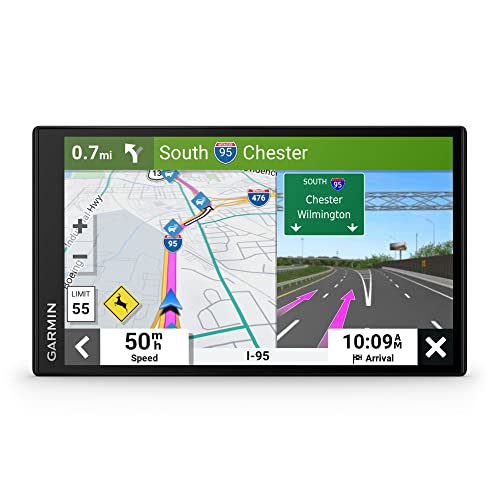


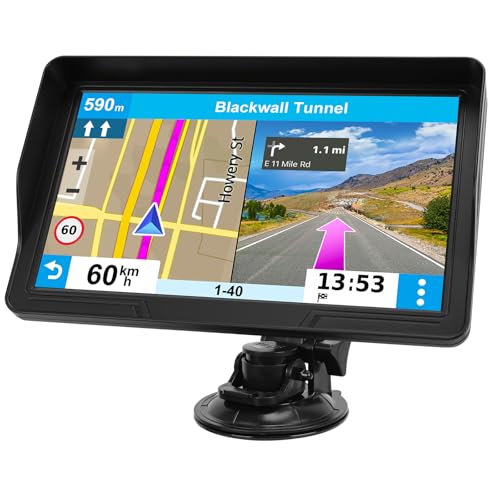

Custom Vehicle Dimension and Weight Routing
The primary reason camper owners invest in dedicated navigation hardware is custom dimension routing. Standard navigation algorithms calculate routes for passenger cars, disregarding roof clearance, overall rig length, and axle weight limits. A dedicated camper unit prompts you to input your exact vehicle height, width, length, and gross weight before planning any route.
When you input your specifications, the navigation software filters out low railway underpasses, weight-restricted suspension bridges, and roads with tight turning radiuses. This capability prevents dangerous situations where large campers are forced to reverse on narrow mountain passes. High-end devices allow you to save multiple vehicle profiles so you can switch between solo driving and towing a trailer with a single screen tap.
Always measure your camper at its absolute highest point, including rooftop air conditioners, solar panels, and roof racks, rather than relying on factory manufacturer spec sheets. Adding a safety buffer of three to six inches to your entered height guarantees extra clearance under drooping tree branches and uneven road surfaces.
Offline Mapping and Satellite Reliability
Campers frequently venture into national forests, desert valleys, and state parks where cellular data towers do not reach. Dedicated navigation hardware relies on internal flash memory storing complete map datasets alongside multi-satellite positioning receivers. This design guarantees uninterrupted navigation guidance regardless of whether your smartphone displays zero bars of signal.
Standalone GPS devices maintain a direct satellite link to calculate positioning coordinates and map vectors natively on the processor. Even if you make an unexpected wrong turn deep within backcountry trails, the device recalculates the route instantly without requiring web access. This standalone reliability removes the anxiety of losing your navigation thread when driving across disconnected rural expanses.
Evaluate the onboard map coverage region before finalizing your purchase. Top navigators include preloaded street and trail data across the United States, Canada, and Mexico. Ensure the unit provides free lifetime updates so your offline map database remains accurate as highway configurations change.
Screen Size, Resolution, and Glare Resistance
Dashboard ergonomics in larger trucks, vans, and motorhomes require substantial screen real estate for safe driving visibility. Navigators generally range from compact 7-inch displays up to expansive 10-inch panoramic screens. A larger display allows you to view upcoming junction lanes, current speed limits, and elevation profiles without leaning forward or taking your eyes off the highway.
Screen resolution and brightness ratings determine how legible your mapping display remains during direct sunlight exposure. Premium units feature high-definition panels with polarized anti-glare coatings and automatic day-night dimming sensors. Crisp display rendering ensures small icons representing dump stations or rest areas remain readable at a quick glance.
If your dashboard windshield sits far forward from the driver seat, choose a 7-inch or 10-inch model paired with a sturdy extension mount. Budget units often provide physical sunshade visors to reduce daytime windshield glare, while advanced screens use ultra-bright backlighting to overcome reflections.
Preloaded Campground Directories and Points of Interest
Finding a suitable overnight campsite after hours of continuous driving can be challenging without dedicated point-of-interest databases. Advanced camper navigation units integrate preloaded directories from Ultimate Public Campgrounds, KOA, and national park services. These built-in directories provide detailed amenity lists including hookup types, site lengths, and pet allowances.
Integrated community review engines like Tripadvisor and Foursquare allow travelers to read facility ratings without requiring an active mobile internet connection. This information helps you locate propane refill stations, potable water sources, and authorized RV dump facilities directly along your planned route. Review our travel planning resources to coordinate destination stops effectively.
Look for navigation tools that offer BirdsEye direct satellite imagery downloads. Aerial views allow you to inspect the layout of a campground loop, tight parking turnarounds, or boat ramps before pulling your camper into unfamiliar territory.
Real-Time Traffic, Weather, and Terrain Hazard Alerts
Sudden weather changes and heavy mountain highway traffic can turn a pleasant camper excursion into a stressful situation. Modern navigation systems pair with companion smartphone applications to stream real-time congestion alerts, road construction detours, and active weather forecasts. These alerts allow you to reroute around highway bottlenecks before becoming stuck in extended delays.
Terrain hazard warnings alert drivers to upcoming steep grades, sharp hairpin turns, high wind zones, and abrupt speed limit drops. Approaching a six percent mountain descent with advance warning allows you to downshift gears and manage your trailer brakes safely. These proactive audio and visual warnings significantly reduce mechanical wear and improve highway safety.
When traveling across elevated passes, check that your unit displays upcoming elevation profiles alongside active route lines. Understanding road gradients in advance helps you manage engine temperatures and plan necessary cooling stops for heavily loaded camper setups.
GPS Feature Comparison for Campers
| Feature Category | Entry-Level Units | Mid-Tier Navigators | Premium Flagship Units |
|---|---|---|---|
| Screen Size | 7.0 to 9.0 Inches (Standard Res) | 7.0 Inches (High Resolution) | 10.0 Inches (Ultra-Wide HD) |
| Vehicle Custom Routing | Basic Height and Weight Input | Advanced Dimension and Axle Profiles | Multi-Profile Custom RV Routing |
| Campground Databases | Standard Generic POI Search | KOA and Public Land Directories | Comprehensive Directories with Satellite Views |
| Connectivity | USB Cable and FM Audio | Wi-Fi Updates and Bluetooth Audio | Wi-Fi, Bluetooth, and Companion App Sync |
| Map Update Method | Manual Computer Connection | Wireless Wi-Fi Network Download | Over-the-Air Wireless Map Sync |
Audio Routing, FM Transmission, and Built-In Speakers
Clear turn-by-turn voice prompts ensure you never miss critical highway exits or tricky rural turnoffs. Camper cabs are often noisier than standard passenger cars due to wind resistance, heavy engine load, and cabin gear vibration. A navigator with a quiet internal speaker can cause drivers to miss vital navigation directions.
Many value-focused GPS units feature built-in FM transmitters that broadcast navigation voice prompts directly over your vehicle stereo speakers. Mid-tier and high-end units utilize Bluetooth connections to stream navigation audio through your car speakers while simultaneously handling hands-free telephone calls. Organizing your vehicle interior with cabin organization and gear packing strategies keeps the dashboard area free from cable clutter.
Test the navigation voice settings to verify whether street names are pronounced clearly alongside directional cues. Audio prompts that reference recognizable visual landmarks alongside distance metrics make navigating unfamiliar urban interchanges far simpler.
Voice Command Assist and Hands-Free Safety
Operating a heavy camper requires both hands on the steering wheel, making manual touch-screen entry hazardous while driving. Navigation systems equipped with responsive voice command engines allow you to search for destinations, adjust volume, or find fuel stops purely through spoken instructions. Simply speaking a wake word lets you command the unit without diverting visual focus from the pavement.
Bluetooth hands-free integration connects your smartphone directly to the navigator dashboard screen. You can take essential phone calls and review incoming text notifications on the bright display without picking up your handheld phone. This functionality helps you remain fully compliant with commercial and state hands-free driving laws nationwide.
Select a unit that processes natural speech patterns smoothly rather than requiring rigid command structures. Systems with built-in voice assistants provide rapid spoken routing adjustments when you decide to take an unscheduled scenic detour.
Mounting Hardware, Power Integration, and Stability
Navigating rough gravel tracks, corrugated forest service trails, and potholed highways places heavy physical strain on windshield mounting hardware. Flimsy suction cup brackets can detach unexpectedly, dropping your expensive navigation hardware onto the vehicle floor. A dependable camper GPS requires a heavy-duty suction mount or a weighted dashboard base that absorbs severe road vibrations.
Power cords must be long enough to reach 12-volt accessory sockets located across wide truck or van dashboards. Many premium units include dual USB charging adapters that power the GPS display while simultaneously charging smartphones or auxiliary camping gear. Units featuring magnetic quick-release powered cradles allow you to remove the screen easily for overnight security without unplugging cables.
Position your mount in a location that keeps the screen within your peripheral view without creating an obstruction on your forward windshield sightline. Secure all loose running cables along the dashboard trim to prevent cord entanglement with vehicle controls.
Map Update Convenience and Wireless Connectivity
Road systems, speed regulations, and commercial vehicle restrictions evolve continually over time. Navigation hardware running outdated map data risks routing you across recently restricted bridges or past closed roadway exits. Selecting a device with straightforward, lifetime map updates ensures your system maintains accurate route calculations over years of use.
Modern navigators feature built-in Wi-Fi connectivity, allowing you to download seasonal map files and software firmware directly without connecting to a computer. Whenever you connect to your home Wi-Fi network or a mobile campsite hotspot, the device alerts you to available update packages. Budget units typically require a USB connection to a personal computer to complete annual map refreshes.
Schedule your map updates before leaving on a long cross-country journey while you have access to a fast, reliable broadband connection. Large continental map packs can take time to download and install onto internal memory storage.
Why You Should Trust Us
Our automotive and travel gear reviews rely on rigorous data evaluation, hardware specification analysis, and practical usability criteria. We systematically compare display technologies, internal storage capacities, satellite receiver configurations, and database partnerships across all price tiers. Our objective methodology highlights functional benefits while pointing out real-world limitations.
We analyze user feedback trends, manufacturer firmware track records, and independent mapping reliability reports. Our evaluation focuses on how these navigation tools perform under real road conditions, including direct glare, remote dead zones, and demanding vehicle clearance requirements. We maintain complete editorial independence to provide authentic, reliable purchasing advice.
Through our continuous monitoring of GPS technology, we ensure all recommendations remain accurate and up-to-date. When software architectures or satellite constellations change, our guides reflect the latest hardware developments so you can travel with complete peace of mind.
Final Thoughts
Investing in a dedicated GPS navigator gives camper owners the confidence to explore remote wilderness highways without risking low-clearance accidents. For the ultimate balance of navigation intelligence, large display legibility, and comprehensive campground directories, the Garmin RV 795, Large, Easy-to-Read 7″ GPS RV represents our best overall recommendation. Its custom routing engine and BirdsEye satellite views streamline both highway driving and tight campsite maneuvering.
If you are outfitting a large motorhome or full-sized expedition rig where dashboard visibility is paramount, the Garmin RV 1095, 10” GPS RV Navigator provides an unmatched panoramic viewing experience. For drivers who want dedicated vehicle dimension warnings and reliable offline maps on a practical budget, the 7” GPS Navigator for Car Truck RV delivers essential clearance routing without unnecessary software complexity. You can find more advice on outfitting mobile vehicles in our mobile lifestyle essentials collection.
Consider your dashboard layout, travel destinations, and vehicle size when choosing between these capable navigators. Pairing the right navigation hardware with your camping setup ensures every road trip remains safe, efficient, and enjoyable from departure to arrival.
Frequently Asked Questions
Why should I use a dedicated GPS instead of a smartphone app for my camper?
Smartphone map apps do not account for vehicle height, width, length, or gross weight, which can direct you toward low bridges or restricted routes. Furthermore, dedicated navigators hold preloaded maps internally, allowing continuous navigation without cell service.
What is the top-rated option among Best Car GPS Navigation Systems for Campers in 2026?
The top-rated navigators combine high-resolution displays with specialized RV routing, BirdsEye satellite views, and integrated campground directories. Dedicated RV models from reputable brands lead the category in custom clearance accuracy and safety alerts.
How do custom vehicle routing profiles work on a camper GPS?
You enter your rig dimensions, including overall height, width, length, and weight ratings, into the unit setup menu. The navigation software then calculates routes that bypass low-clearance bridges, weight-limited roads, and hazardous switchbacks.
Do dedicated camper navigation systems require a paid monthly subscription?
Most dedicated car and camper GPS units come with free lifetime map updates and preloaded databases that require no ongoing monthly subscription fees. Optional live traffic or advanced weather features connect through free companion smartphone apps.
Can I find public land and dispersed campsites using a camper GPS?
Yes, premium camper navigation systems include directories from Ultimate Public Campgrounds, national park databases, and KOA. These preloaded points of interest allow you to locate free dispersed camping and official parks without internet access.
What screen size is recommended for a camper dashboard?
A 7-inch display is the standard versatile size that fits comfortably across most truck and van dashboards without obstructing visibility. Larger motorhomes or deep cabs benefit significantly from 8-inch to 10-inch screens for enhanced distance readability.
How do I update the maps on my car and camper GPS?
Modern navigators feature built-in Wi-Fi connectivity that allows you to download and install update packages wirelessly at home. Entry-level units connect to a computer via an included USB cable to sync updated map files.
What should I compare when shopping for Best Car GPS Navigation Systems for Campers?
You should compare dimension routing accuracy, screen legibility in direct sunlight, campground database depth, and mounting stability. Our guide to equipment comparison principles highlights similar methodical evaluation steps when choosing vehicle accessories.
How does the FM transmitter feature work on budget GPS models?
The built-in FM transmitter broadcasts the navigator turn-by-turn voice directions over an open FM radio frequency in your vehicle. When you tune your car stereo to the matching frequency, the directions play loudly through your vehicle speakers.
Are camper GPS units compatible with backup cameras?
Many brand-name camper navigators support wireless or wired backup cameras, displaying rear video feeds directly on the GPS screen when in reverse. This eliminates the need for a secondary dashboard monitor when hitching or parking.






Write Your Review
No reviews yet. Be the first to share your experience!