A good night’s sleep depends on more than just a comfortable mattress – it depends on a clean, well-protected one. Dust mites, sweat, allergens, and the occasional unwelcome bed bug can quietly turn a great mattress into a source of discomfort or even health irritation. The good news is that you don’t need a complicated system to keep things under control. A simple three-piece starter kit – a quality mattress cleaner, a bed bug mattress cover, and a pillow spray – covers nearly every base of everyday mattress hygiene. This guide walks you through exactly how to assemble that kit and build it into a sustainable care routine.
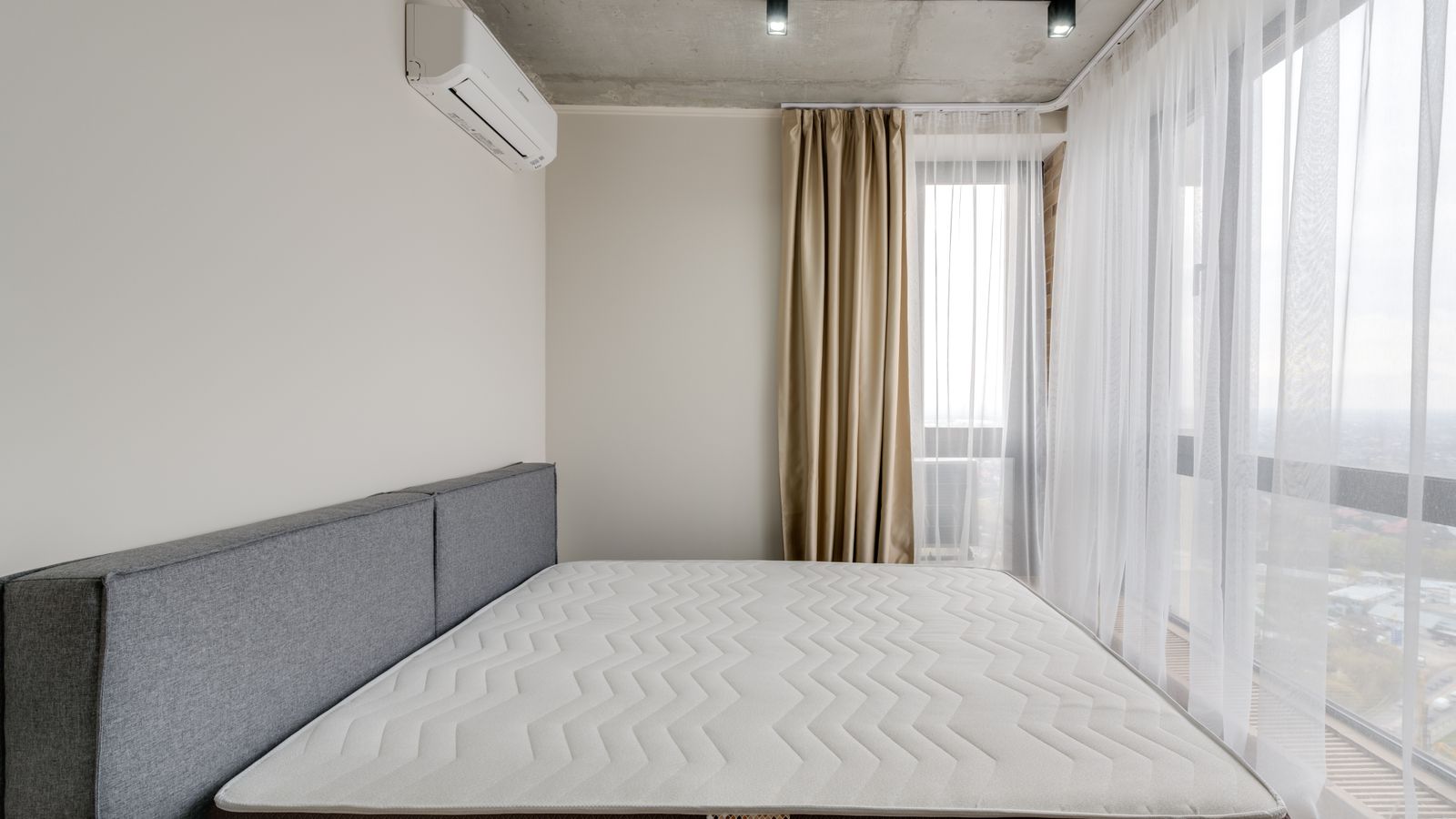
Why a Starter Kit Matters
Most people only think about mattress care when something goes wrong – a stain appears, an odor lingers, or worse, they spot signs of bed bugs. Reactive care is stressful and often more expensive than prevention. A starter kit flips the approach: instead of scrambling to fix a problem, you maintain a routine that prevents most issues before they start. Each of the three items in this kit tackles a different layer of mattress hygiene, and together they create a simple, repeatable system that takes only a few minutes a week.
What Goes Into the Kit
1. A Mattress Cleaner
A dedicated mattress cleaner is formulated to lift sweat, body oils, dust, and minor stains from fabric without soaking the foam or springs underneath – something a general household cleaner or too much water can damage. Look for a formula that is fast-drying, fragrance options that suit sensitive sleepers, and ideally one safe for use around pets and children. If you’re unsure where to start, the Mattress Cleaners roundup breaks down the top-rated options by mattress type and cleaning strength.
2. A Bed Bug Mattress Cover
Even the cleanest home can encounter bed bugs through travel, secondhand furniture, or shared living spaces. A zippered bed bug mattress cover creates a physical barrier that traps existing pests inside (eventually starving them out) and blocks new ones from getting in. It also doubles as protection against dust mites, spills, and allergens, making it one of the highest-value items in the kit. Compare fully encased, waterproof, and breathable options in the guide to bed bug mattress covers.
3. A Pillow Spray
Pillows accumulate oils, sweat, and allergens even faster than mattresses because they sit closer to your face and hair. A pillow spray – typically a light mist with antibacterial or calming ingredients like lavender – refreshes fabric between full washes and can also support better sleep through mild aromatherapy. Browse the best pillow sprays to find a scent and formula that fits your routine.
Tools and Materials You’ll Need
- Mattress cleaner (spray or foam formula)
- Bed bug mattress cover, sized correctly for your mattress depth
- Pillow spray
- A vacuum with an upholstery attachment
- Microfiber cloths or a soft-bristle brush
- Baking soda (optional, for deodorizing before vacuuming)
- A well-ventilated room or open window for drying time
Step-by-Step: Building the Routine
- Strip the bed completely. Remove all sheets, pillowcases, and any existing mattress protector. Wash bedding on the warmest setting the fabric allows.
- Vacuum the mattress surface. Use the upholstery attachment to go over the entire mattress, paying close attention to seams, corners, and the areas around buttons or tufting where dust and debris collect.
- Spot-treat with mattress cleaner. Apply the cleaner directly to any visible stains or odor-prone areas (commonly where you sleep or near the edges). Follow the product’s instructions for dwell time, then blot – never scrub aggressively, which can push moisture deeper into the foam.
- Let the mattress dry fully. Open a window or run a fan to speed drying. A damp mattress left covered can trap moisture and encourage mold, so patience here matters.
- Fit the bed bug mattress cover. Once completely dry, stretch the cover over the mattress and zip it closed fully. Double-check the zipper is engaged end to end – a partially closed zipper defeats the purpose of an encasement.
- Wash and dry your pillows. Most pillows can be machine washed on a gentle cycle every one to two months; check the care label first.
- Apply pillow spray. Once pillows (and pillow protectors, if used) are back on the bed, mist lightly and allow a few minutes to air dry before adding pillowcases.
- Remake the bed. Add clean sheets, pillowcases, and any additional protective layers.
- Set a recurring schedule. Vacuum weekly, deep-clean with the mattress cleaner monthly, refresh pillows with spray every few days, and inspect the bed bug cover for damage every few months.

Safety Notes
Always test any mattress cleaner on a small, hidden area first to confirm it doesn’t discolor your fabric. Avoid oversaturating the mattress – too much liquid can seep into foam layers and become difficult to dry, leading to mold or mildew growth. When fitting a bed bug cover, check that it’s rated for encasement (fully sealed with a zipper) rather than just a loose-fitting protector, since only a true encasement is effective against pests. Keep pillow sprays away from your eyes and avoid spraying directly onto your face; mist the pillow and let it settle before use.
Common Mistakes to Avoid
- Skipping the drying step. Covering a damp mattress traps moisture and can cause odors or mold over time.
- Using the wrong size cover. A cover that’s too shallow won’t fully encase a thick mattress, leaving gaps where pests or allergens can enter.
- Over-relying on spray alone. Pillow spray refreshes fabric but doesn’t replace periodic washing.
- Using harsh household cleaners. Bleach or ammonia-based products can break down mattress materials and void warranties.
- Forgetting to inspect the cover regularly. Small tears or a stuck zipper reduce protection significantly, so check it during each sheet change.
How Often Should You Repeat Each Step?
Vacuuming the mattress surface works best done weekly alongside your regular sheet change. A deeper clean with mattress cleaner is typically needed monthly, or immediately after a spill or stain. Pillow spray can be used every few days since it’s a light refresh rather than a deep clean. The bed bug mattress cover itself generally doesn’t need replacing unless it’s torn or the zipper fails, but it’s worth inspecting every couple of months, especially after travel.
FAQ
Can I use a mattress cleaner on a memory foam mattress?
Most mattress cleaners are formulated to be safe on memory foam, but always check the label first, since foam is more sensitive to excess moisture than traditional innerspring mattresses.
Do bed bug mattress covers actually work?
Yes, when they’re a true zippered encasement with no gaps. They won’t eliminate an active infestation on their own, but they prevent bed bugs from entering or leaving the mattress, which starves out any pests already trapped inside.
How long should I let pillow spray dry before sleeping on it?
A few minutes is usually enough for a light mist to air dry. Avoid soaking the pillow, and always spray from a distance so only a fine mist lands on the fabric.
Is it necessary to use all three products together?
They’re most effective as a set, since each addresses a different layer of hygiene – the cleaner handles surface stains and odors, the cover blocks pests and allergens, and the spray keeps pillows fresh between washes.
Final Thoughts
Building a mattress care routine doesn’t need to be complicated or time-consuming. With a mattress cleaner, a bed bug mattress cover, and a pillow spray as your starter kit, you cover the three biggest everyday threats to a clean, comfortable bed: stains and odors, pests and allergens, and pillow freshness. Set a simple recurring schedule, stick with it, and your mattress will stay in better condition for years – protecting both your sleep quality and your investment in the bed itself.