

A lingerie chest is one of the most underrated furniture pieces for small bedrooms. Tall, narrow, and packed with shallow drawers, it stores far more than its footprint suggests, making it a smarter pick than a wide dresser when floor space is tight. But not every lingerie chest is built for a small room – some are still bulky, some have drawers too deep to be useful for delicates, and some simply don’t fit the proportions of a compact space. This guide walks you through exactly what to measure, what to look for, and what to avoid so you choose a lingerie chest that actually solves your storage problem instead of adding to it.
What Makes a Lingerie Chest Different from a Regular Dresser
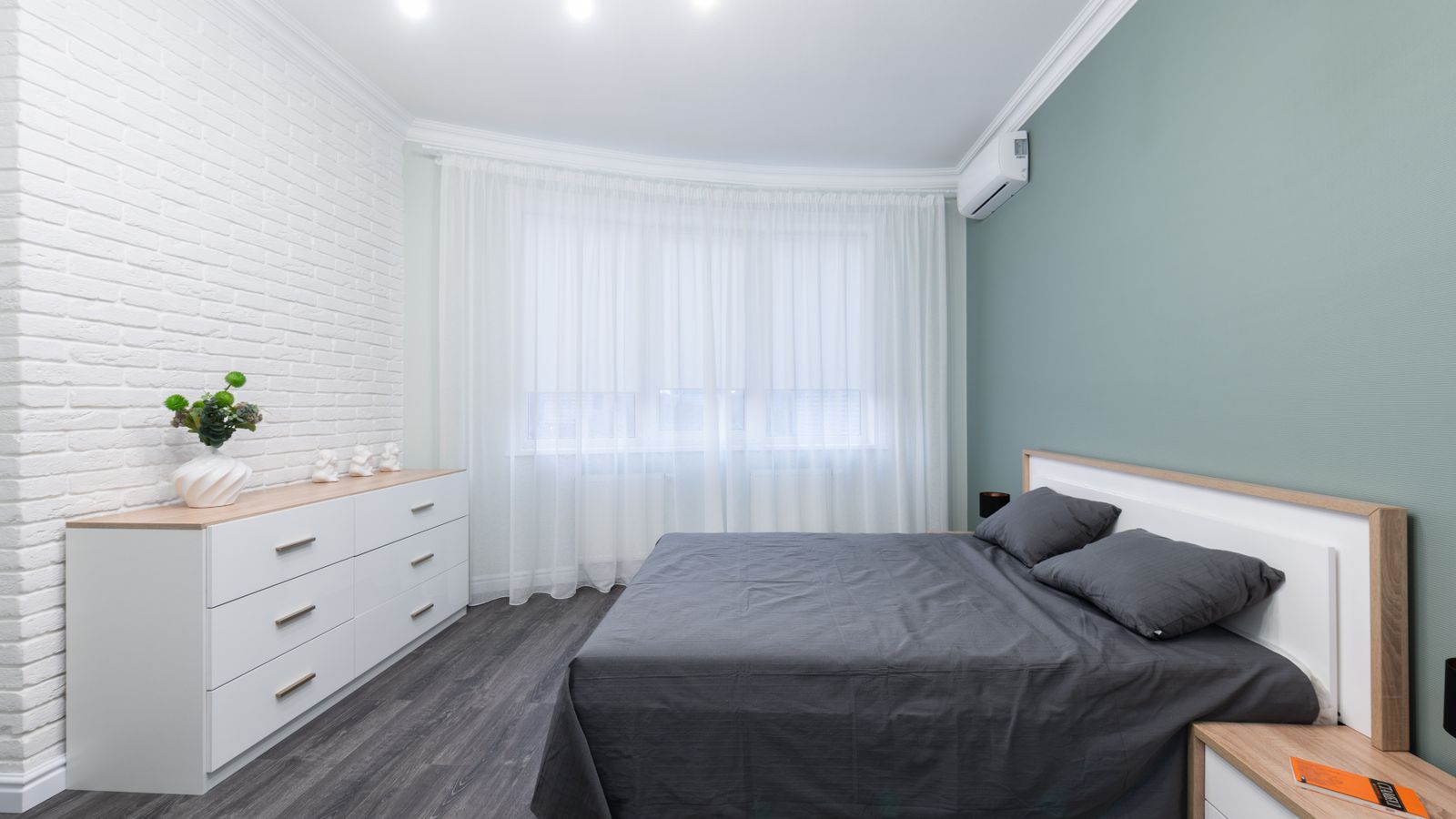
A traditional dresser is wide and low, usually with three to six large drawers spread across a horizontal frame. A lingerie chest flips that layout: it’s tall and narrow, typically 20 to 30 inches wide, with six to nine shallow drawers stacked vertically. That vertical design is exactly why it works so well in small spaces – it uses height instead of floor area, tucking into corners, closet nooks, or the narrow gap beside a bed that a standard dresser could never fit into.
The shallow drawers are also purpose-built for small, soft items: underwear, bras, socks, scarves, jewelry, and folded lightweight layers. That’s a meaningful upgrade over deep dresser drawers, where delicates get lost, crushed, or buried under bulkier clothing.
Step 1: Measure Your Space Before Anything Else
- Measure the exact width, depth, and height of the spot you have in mind – not just the general area of the room.
- Add 2 to 3 inches of clearance on each side for drawers to open fully without scraping a wall, doorframe, or nearby furniture.
- Check ceiling height and any slanted ceilings if the chest will sit in an attic bedroom or under a window.
- Measure doorways and hallways the chest must pass through during delivery – tall, narrow chests can be surprisingly awkward to maneuver around corners.
Write these numbers down and keep them with you (or on your phone) when shopping. It’s the single most effective way to avoid returning a piece that looked fine online but doesn’t actually fit.
Step 2: Prioritize a Narrow Footprint Over Drawer Count
It’s tempting to chase the model with the most drawers, but in a small space, footprint matters more than drawer count. A chest that’s 24 inches wide with seven drawers will almost always serve a small bedroom better than one that’s 34 inches wide with nine drawers. Look specifically at:
- Width: Anything under 30 inches is generally considered space-efficient for a small room.
- Depth: Shallower is better if the chest sits along a walking path; 16-18 inches deep is a common sweet spot.
- Height: Taller chests (48 inches and up) maximize storage per square foot of floor space, which is the whole advantage of this furniture style.
Step 3: Match Drawer Depth to What You Actually Store
Not all lingerie chests have uniform drawer depths. Many mix shallow top drawers for jewelry and accessories with slightly deeper lower drawers for folded sweaters or leggings. Before buying, think through what you’ll actually store:
- Shallow drawers (2-4 inches) work best for bras, underwear, socks, and jewelry.
- Medium drawers (5-7 inches) suit folded t-shirts, scarves, and lightweight layers.
- A single deeper bottom drawer is useful for bulkier items like sweaters if you don’t have a separate dresser elsewhere in the room.
If a lingerie chest will be your only storage piece, look for one with a mix of drawer depths rather than all-identical shallow drawers – versatility matters more than uniformity in a small bedroom where you can’t afford a second piece of furniture.
Step 4: Choose a Material and Finish That Suit a Compact Room
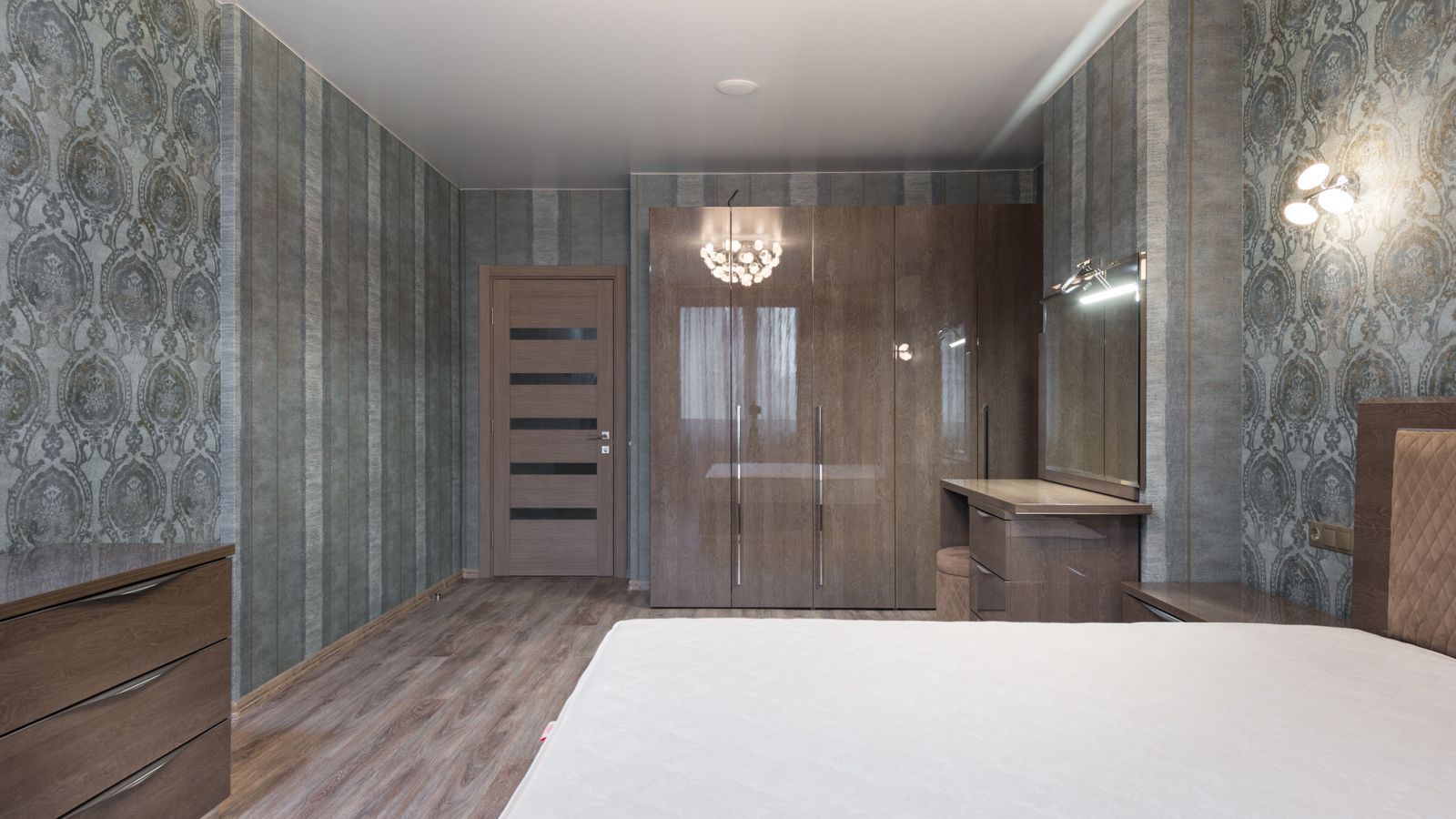
In small spaces, the visual weight of furniture matters almost as much as its physical size. A dark, solid wood chest with an ornate frame can make a small room feel more cramped than its actual dimensions suggest. A few finish strategies help a tall chest feel less imposing:
- Light or natural wood tones reflect more light and visually recede into the room.
- Painted white or soft neutral finishes blend into the wall, reducing the sense of bulk.
- Slim metal or wood legs that lift the chest off the floor create a sense of openness underneath, rather than a heavy block sitting flush on the ground.
- Simple, flat-front drawers without heavy molding keep the silhouette clean, which reads as more spacious than an ornate design.
Mirrored or glass-front finishes are another option worth considering – they bounce light around the room and can make a narrow wall feel less closed-in.
Step 5: Check Drawer Glides and Hardware Quality
Because lingerie chests are opened frequently – daily, in most households – smooth-running drawers matter more here than in furniture you access occasionally. Look for:
- Metal ball-bearing glides rather than plastic runners, which wear out faster and stick over time.
- Drawers that fully extend or nearly fully extend, so you can see contents in the back without digging.
- Solid drawer bottoms (not thin cardboard-like panels) that won’t sag under the weight of folded clothing.
- Sturdy pulls or knobs sized appropriately for narrow drawer fronts – oversized hardware can look disproportionate on a slim chest.
Step 6: Think About Stability and Anti-Tip Safety
Tall, narrow furniture has a higher center of gravity than wide, low furniture, which makes stability a real consideration – especially in homes with children or pets. Before buying:
- Confirm the chest includes (or is compatible with) an anti-tip wall-anchor kit, and actually use it once assembled.
- Check the base width relative to the top – a chest that’s noticeably wider at the base is inherently more stable than one that’s the same width top to bottom.
- Avoid overloading the top surface with heavy decor if the piece already feels top-heavy when empty.
Step 7: Decide Where It Will Actually Live
Because a lingerie chest is narrow, it’s more flexible about placement than most bedroom furniture. Common spots that work well in small rooms include:
- An empty corner that a wide dresser could never occupy efficiently.
- Beside a closet door, filling dead space that would otherwise go unused.
- At the foot of the bed if there’s a narrow gap between the bed and the wall.
- Inside a closet itself, if the closet has enough depth and height to swallow it – a great option for studio apartments.
If you’re also weighing a nightstand for the same tight footprint, the same narrow-footprint thinking applies – our guide to nightstands for small bedrooms covers similar sizing principles if you’re furnishing the whole room at once.
Common Mistakes to Avoid
- Buying based on drawer count alone. More drawers on a wider frame defeats the purpose of choosing this furniture style in the first place.
- Skipping the anti-tip anchor. Tall furniture near a bed or play area needs to be secured, not just admired for its slim profile.
- Ignoring drawer-opening clearance. A chest that fits flush against a wall is useless if the drawers can’t open past 60 percent before hitting furniture or a doorframe.
- Choosing a dark, heavy finish in a low-light room. This can visually shrink a space that’s already tight on square footage.
- Overlooking delivery access. Tall chests sometimes can’t turn corners in narrow hallways or stairwells – measure the path, not just the room.
Small-Space Sizing Checklist
- Confirmed width, depth, and height fit the intended spot with clearance for drawers.
- Chest is narrower than 30 inches, or appropriately sized for the available wall space.
- Drawer depths match what you actually plan to store.
- Finish and leg style suit the room’s light and visual openness.
- Drawer glides feel smooth and sturdy when tested in person or reviewed carefully online.
- Anti-tip hardware is included or purchased separately and will be installed.
- Delivery path (doorways, hallways, stairs) has been measured, not just guessed at.
FAQ
Is a lingerie chest better than a dresser for a small bedroom?
For rooms where floor space is limited but wall height is available, yes – a lingerie chest typically stores a comparable amount of clothing in a fraction of the footprint of a standard dresser.
How many drawers should a small-space lingerie chest have?
Six to eight drawers is a practical range. More drawers usually mean a wider frame, which works against the space-saving goal in a genuinely small room.
Can a lingerie chest replace a full dresser?
It can, especially in studio apartments or shared bedrooms, if it includes at least one or two deeper drawers for bulkier folded items alongside the shallow ones. Pairing it with under-bed storage or a closet-friendly organizer helps stretch its capacity further.
What’s the safest way to secure a tall, narrow chest?
Use the included anti-tip strap or bracket to anchor the chest to a wall stud. This is especially important for chests over 40 inches tall placed in bedrooms used by children.
Do lingerie chests work well inside closets?
Yes, if the closet has enough depth and headroom. A narrow chest tucked into a closet frees up bedroom floor space entirely while keeping delicates organized and out of view. Browsing options built specifically for closet fitting, like our roundup of the best dressers for closets, can help you compare models sized for that exact use case.
Final Thoughts
Choosing the right lingerie chest for a small space comes down to prioritizing footprint and drawer function over sheer storage volume. Measure your space carefully, match drawer depths to what you’ll actually store, and pick a finish that keeps the room feeling open rather than boxed in. Once you’ve nailed down the sizing and placement details in this guide, browsing a curated list of well-reviewed options – like our picks for the best lingerie chests – makes it much easier to compare models that already meet these small-space criteria side by side.


