

Choosing between a bed tray and a headboard storage shelf comes down to one question: do you need something that comes to you, or something that stays put? Both solutions solve the same core problem – keeping your phone, book, coffee mug, and glasses within arm’s reach at night – but they work in completely different ways. This guide walks you through the practical differences so you can compare bed tray and headboard storage shelf options side by side before spending your money.

Step 1: Define What Problem You’re Actually Solving
Before comparing products, get honest about your bedroom habits. A bed tray is essentially a portable, flat surface designed to rest across your lap or over the mattress. A headboard storage shelf, on the other hand, is a fixed or semi-fixed unit that attaches to or sits behind your headboard, offering a permanent landing spot for items you use every night.
- Do you eat breakfast in bed, work on a laptop, or do craft projects while sitting up? A bed tray gives you a stable, movable workspace.
- Do you mainly need a spot for a lamp, phone charger, glasses, and a book that stays there overnight? A headboard shelf is built for that.
- Do you share the bed with a partner who also needs surface space? Some households benefit from having both – a shelf for static items and a tray for active tasks.
Step 2: Compare Available Surface Space
Surface area is the most obvious difference, but the details matter. Bed trays typically range from small folding lap desks around 15 x 10 inches to larger models near 24 x 16 inches, some with foldable sides for laptops, cushioned bottoms, and slots for tablets or phones. Headboard storage shelves vary more widely – some are narrow ledges just a few inches deep, while others include multiple tiers, cubbies, or drawers built into a wall-mounted or over-the-bed unit.
If you tend to accumulate clutter (chargers, hand cream, reading glasses, a stack of books), a shelf with divided compartments will keep things organized better than a flat tray, which has no built-in sorting. If you need a clean, dedicated surface for one task at a time – eating, writing, working – a tray’s uncluttered flat top wins.
Step 3: Think About Stability and Weight Capacity
A bed tray sits directly on the mattress or across your legs, so its stability depends on leg design and how evenly weight is distributed. Trays with wide, splayed legs and non-slip pads tend to stay put better than narrow-legged designs, especially on soft mattresses. Weight capacity generally runs from about 15 to 35 pounds, which is plenty for a laptop, plate, and drink, but check ratings if you plan to hold anything heavier.
A headboard storage shelf is mounted or braced against furniture, so it typically holds weight more reliably and won’t tip or wobble when you reach for something. This makes it the safer choice for items you don’t want to accidentally knock over, like a full glass of water or a lit candle.
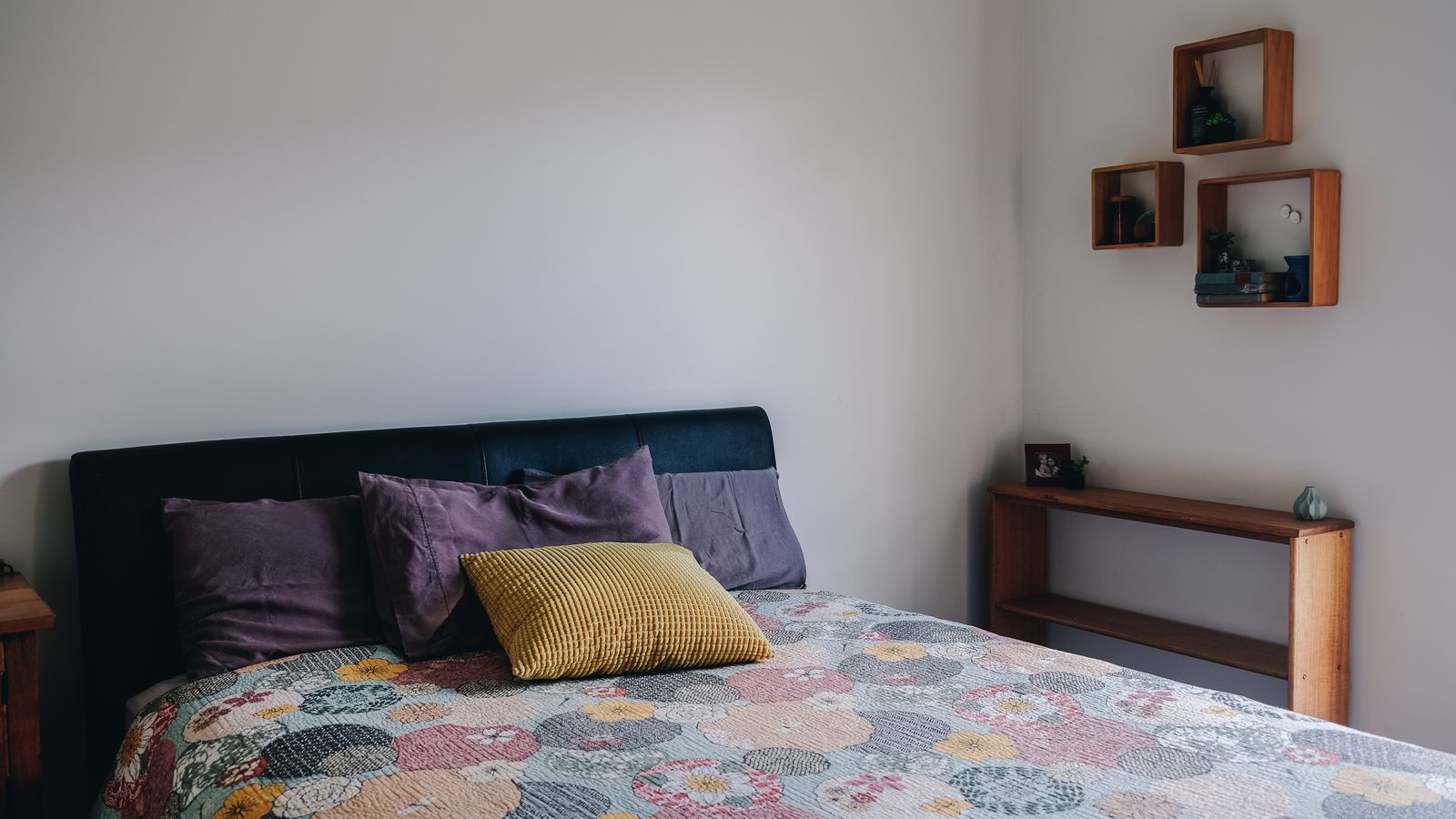
Step 4: Evaluate Mobility and Flexibility
One of the biggest practical differences is whether the piece moves with you. A bed tray folds flat and can be tucked under the bed, leaned against a wall, or carried to the couch or a guest room. This flexibility is valuable in smaller apartments or shared spaces where furniture needs to serve multiple purposes.
A headboard storage shelf is far less flexible once installed. Some models attach directly to an existing headboard with clamps or straps, while others are freestanding units that sit on the floor behind the bed. Either way, repositioning it is a bigger project than folding up a tray. If you rearrange your bedroom often or move frequently, factor in how much effort reinstalling a shelf would take.
Step 5: Consider Installation and Setup
Bed trays require essentially zero setup – unfold the legs and you’re using it within seconds. Headboard shelves range from simple clip-on ledges that need no tools to larger units that require anchoring to a wall stud or bolting to an existing headboard frame. If you rent your home or want to avoid drilling, look specifically for clamp-style or freestanding headboard shelf options rather than wall-mounted versions.
Step 6: Match the Style to Your Bedroom
Bed trays tend to read as a functional accessory rather than a furniture piece – they disappear when not in use. Headboard storage shelves become a visible part of your bedroom’s layout, so material and finish matter more. Wood-tone shelves pair well with traditional bedroom sets, while metal-frame or minimalist designs suit modern spaces. If you’re building out a full bedroom seating and accessory setup, it’s worth browsing our guide to headboard storage shelves to see finish options that match existing furniture before committing.
Step 7: Factor In Budget
Basic folding bed trays are generally the more affordable entry point, with simple wood or bamboo models starting low and premium versions with built-in USB ports or adjustable heights costing more. Headboard storage shelves span a wider price range depending on materials, size, and whether they include drawers or just open shelving. If budget is tight, a tray solves the immediate need for a stable surface at a lower cost, while a shelf is more of a longer-term bedroom investment.
Step 8: Test for Everyday Comfort
Comfort is easy to overlook on a spec sheet but matters most in daily use. A bed tray with a cushioned or beanbag-style base molds to your lap and stays steady while you sit up in bed. A rigid-legged tray can feel unstable on a plush mattress, so check reviews for mattress compatibility if yours is extra soft. A headboard shelf, meanwhile, should be positioned at a height and depth you can reach without straining or leaning too far, especially if you tend to read or reach for water in the middle of the night.
Step 9: Decide If You Need Both
Many bedrooms actually benefit from combining the two. A headboard shelf handles the “always there” essentials – lamp, charger, box of tissues, current book – while a bed tray comes out only when you need an active workspace for a meal or laptop session. This combination avoids overloading either piece and keeps your sleeping surface from feeling cluttered. If you also spend time reading or relaxing in a chair rather than in bed, it’s worth checking our roundup of the best nursery rocking chairs for a complementary seating option in adjoining rooms.
Common Mistakes to Avoid
- Buying a shelf without measuring headboard depth: Some clamp-on shelves need a minimum headboard thickness to attach securely – measure first.
- Choosing a tray based on looks alone: A beautiful tray with wobbly legs will spill drinks. Prioritize stability and weight rating over finish.
- Ignoring mattress height: Taller mattresses can change how a tray sits and how comfortably you can reach a headboard shelf while lying down.
- Overloading open shelving: A shelf without raised edges or dividers can let small items slide off when you shift position in bed.
FAQ
Can I use a bed tray and headboard shelf together?
Yes. They serve different purposes, so combining them is common – the shelf holds static items while the tray provides an active work or dining surface.
Do headboard storage shelves damage the wall or headboard?
Clamp-style and freestanding shelves typically avoid damage entirely, while wall-mounted versions require anchors or screws. Choose based on whether you rent or own your space.
Which option is better for small apartments?
A bed tray usually wins for tight spaces since it folds away completely, whereas a shelf occupies fixed space behind the bed permanently.
Are bed trays sturdy enough for laptops?
Most trays rated for at least 15 pounds handle laptops comfortably; just confirm the surface is flat and wide enough for your specific device.
Final Thoughts
There’s no single right answer when you compare bed tray and headboard storage shelf options – it depends on whether you need a portable workspace or a fixed storage spot for everyday essentials. Start by identifying your actual nightly habits, check stability and weight capacity, and don’t be afraid to combine both if your bedroom routine calls for it. For a closer look at specific models worth considering, browse our picks for bed trays to compare features side by side before you buy.