

Quick Answer
The best mini fridges match the stored items and required temperature before they match a room’s style. A compressor refrigerator for perishable food, a glass-door beverage cooler, and a portable thermoelectric cooler are not interchangeable. The Midea 1.6 Cu.ft Mini Fridge is a simple compressor starting point because its listing combines compact capacity, Energy Star certification, and low-noise bedroom positioning.
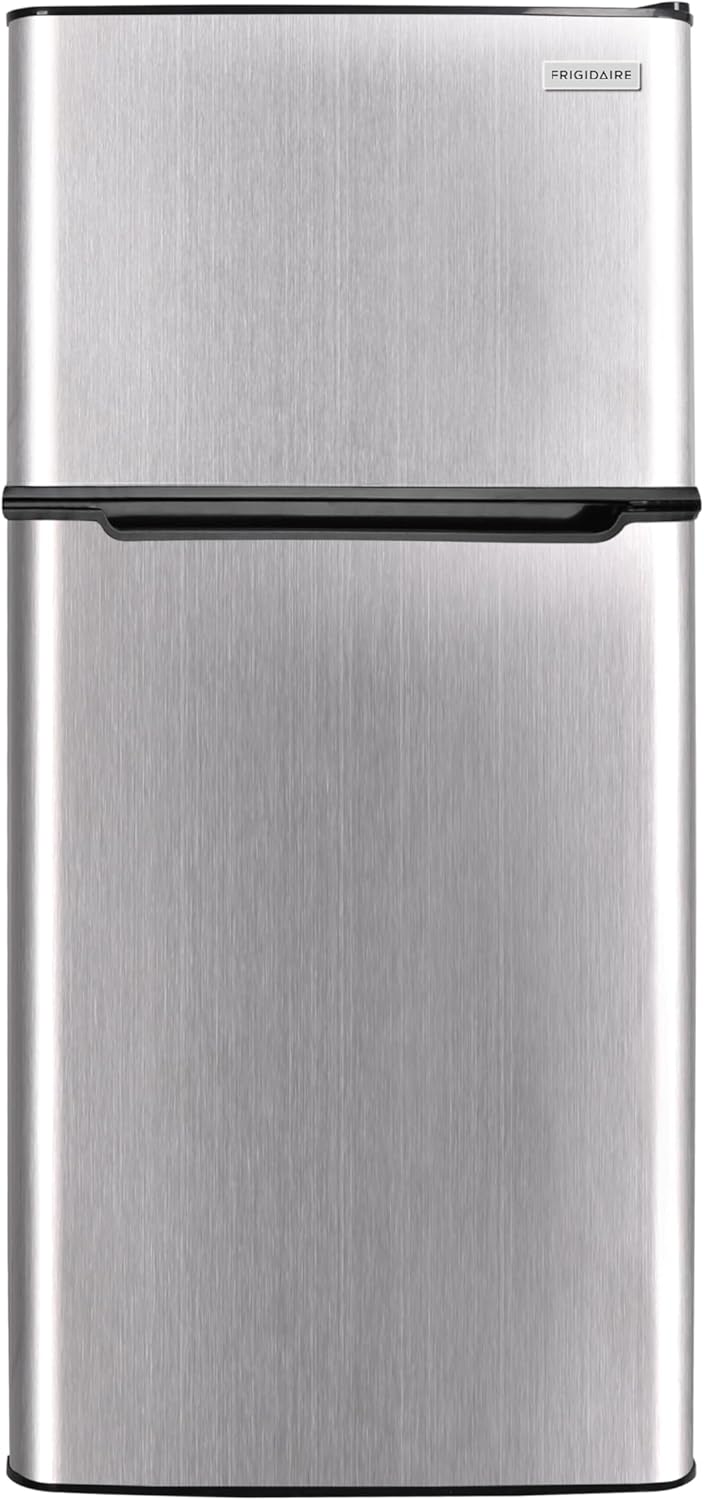
For separate refrigerator and freezer doors, compare the FRIGIDAIRE 4.6 cu. ft. Two-Door Refrigerator/Freezer. The CROWNFUL 4L Portable Cooler and Warmer represents a tiny thermoelectric format. Verify temperature suitability, usable shelves, freezer design, ventilation, ambient limits, and defrosting before buying.




Top Picks at a Glance
- Best Beverage Display Model: 3.2 Cu.Ft 126-Can Beverage Refrigerator. A compressor cooler with glass door, digital 34-64°F range, and removable shelves.
- Best Compact Compressor Model: Midea 1.6 Cu.ft Mini Fridge. A simple solid-door refrigerator for limited spaces.
- Best Large Two-Door Model: FRIGIDAIRE 4.6 cu. ft. Refrigerator/Freezer. A black stainless-style two-door configuration.
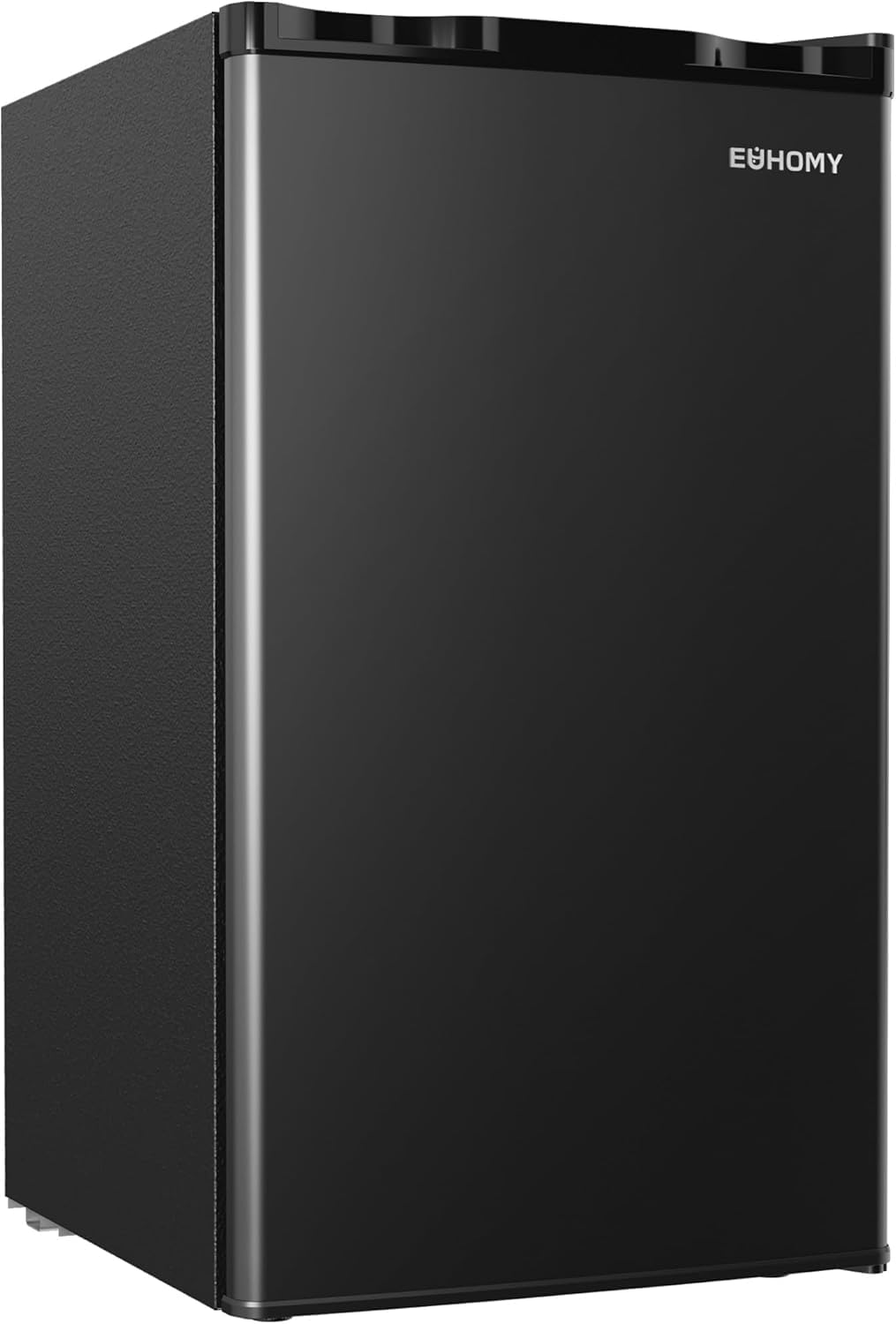
- Best Single-Door Freezer Model: EUHOMY 3.2 Cu.Ft Mini Fridge with Freezer. A black single-door model with adjustable thermostat.
- Best Tiny Portable Cooler-Warmer: CROWNFUL 4L Mini Fridge. A white six-can personal cooler and warmer.
- Best Mid-Size Double-Door Model: Electactic 2.5 Cu.Ft Mini Fridge with Freezer. Adjustable glass shelves, mechanical thermostat, and leveling feet.
- Best 20L Portable Digital Model: Cooluli 20L Glass-Front Mini Fridge. A blue 12V portable unit with digital temperature control.
- Best 3.1 Cu.Ft Two-Door Model: Midea 3.1 Cu.ft Mini Fridge with Freezer. A dorm-focused refrigerator with separate freezer listing.
What Types Make the Best Mini Fridges?
The best mini fridges include compact compressor refrigerators, beverage coolers, and thermoelectric personal units. Compressor models operate most like a full-size refrigerator. Their thermostats cycle a refrigerant system and require open ventilation around the cabinet.
Beverage coolers prioritize cans, bottles, adjustable shelves, and display doors. Their published temperature range may extend well above the range used for perishable food. Confirm the lowest controlled temperature and intended contents instead of assuming the word fridge guarantees food storage.
Thermoelectric models cool relative to surrounding air and may also warm. Their performance changes with ambient temperature and ventilation. Do not use them for medication, infant-feeding supplies, or other temperature-critical items unless the exact device and monitoring plan are approved for that purpose.
Capacity, Shelves, and Usable Space
Choosing the best mini fridges by cubic feet or can count alone can mislead. A freezer box, compressor hump, thick door bins, thermostat housing, and shelf supports reduce usable space. Measure the containers, bottles, meal-prep boxes, and cartons used regularly.
Removable shelves improve flexibility but may leave poor support for short items or block air circulation when rearranged. Glass shelves contain some spills; wire shelves allow airflow. Check whether shelves can be removed through the available door angle.
Door bins suit bottles and condiments but experience more temperature change during opening. A reversible door can improve room fit only when the manufacturer permits the hinge swap and every plug, bracket, and seal is reinstalled correctly.
Freezer Versus Chiller Compartments
The best mini fridges with two exterior doors generally separate frozen and refrigerated storage more clearly than a small chiller box inside one door. Separate compartments can maintain different conditions and reduce warm-air exchange during fresh-food access.
An internal freezer or chiller compartment may form ice and hold small frozen items, but its capability varies. Check the listed temperature range, star rating where applicable, defrost instructions, and intended food storage. Do not assume it matches a full freezer.
Freezer space also changes the main refrigerator layout. A broad chiller box reduces top-shelf height, while a separate freezer increases exterior size. Compare French door refrigerators when full-size fresh and frozen organization is needed.
Temperature Range and Monitoring
The best mini fridges must maintain the temperature required by their contents under the room conditions allowed by the manufacturer. A numbered mechanical dial is not a direct temperature reading. Digital setpoints also may differ from temperature at different shelf positions.
Use a suitable appliance thermometer and observe temperatures after stabilization, loading, and normal door use. Follow current food-safety guidance for perishables. If the unit cannot maintain the required range, move food to a reliable refrigerator rather than turning the dial beyond instructions.
Keep a written temperature record during the initial setup period.
A glass door, warm room, frequent opening, blocked vent, hot food, or overpacking can increase recovery time. Leave airflow around contents and cool hot dishes according to safe food-handling guidance before loading.
Placement, Ventilation, and Ambient Conditions
The best mini fridges need the top, side, rear, and sometimes bottom clearances stated in their manuals. Freestanding models should not be enclosed under a counter or inside furniture unless specifically approved for that installation.
Keep the appliance level and away from heaters, direct sun, wet areas, and cooking heat. A bedroom placement needs stable flooring, open airflow, and enough door clearance. Compressor cycling and refrigerant sounds may be noticeable at night even when a listing says low noise.
Garage, RV, vehicle, and outdoor use depend on approved ambient temperatures, power, ventilation, and placement. A portable label does not make a unit weatherproof. Compare counter depth refrigerators if permanent kitchen fit matters more than compact size.
Power, Cords, and Portable Operation
The best mini fridges require the voltage, outlet, grounding, and cord clearance specified by the manufacturer. Avoid extension cords or inverters unless explicitly approved. Keep plugs accessible without pinching the cord behind the cabinet.
Portable thermoelectric models may include AC, DC, or USB-related options according to their listings. Cooling performance and power availability can differ by source. Vehicle use should not drain the battery or operate in an unsafe parked-car environment.
After a power interruption, monitor temperature and follow food-safety guidance for stored items. Do not rely on appearance or smell alone to judge perishables. A secondary fridge is useful only when its power and temperature are dependable.
Defrosting, Condensation, and Cleaning
The best mini fridges may require manual defrosting. Frost reduces usable space and can interfere with doors or cooling. Follow the specified shutdown, food transfer, drip collection, and restart process; never chip ice with sharp tools.
Clean shelves, bins, walls, drain areas, seals, drip trays, and exterior with approved products. Dry components before reassembly. Glass-door beverage units also need clean door tracks, seals, and display surfaces.
Condensation can indicate humid air, frequent opening, warm contents, a poor seal, or drainage issues. Check door closure and leveling. Arrange service for persistent water, damaged seals, abnormal noise, cord damage, or failure to maintain temperature.
Transport and Long-Term Use
The best mini fridges should be transported upright whenever instructions require it. Tilting or laying a compressor refrigerator can move oil and refrigerant. If the unit has been tilted, wait the manufacturer-specified time before plugging it in.
Remove food, shelves, loose trays, water, and frost before movement. Secure the door without damaging the seal, protect the cord, and use safe lifting assistance. Never carry a unit by the handle or cord.
For drink ice rather than cold storage, compare ice makers. An ice machine produces ice but usually does not replace refrigerated food storage, while a mini fridge may not produce enough ice for events.
How We Tested & Evaluated
This guide does not claim hands-on temperature, noise, or energy tests. To compare the best mini fridges, we reviewed current Amazon results obtained through Crawlbase and verified product identities. We evaluated visible listing factors including capacity, compressor or portable format, beverage temperature range, glass or solid doors, single or two doors, freezer language, shelves, thermostat, leveling feet, AC or DC positioning, finishes, and room examples.
Use-case labels describe configurations, not verified food-storage performance. The 126-can model represents beverage display; Midea compact and two-door compressor formats; Frigidaire a large two-door design; EUHOMY a single-door freezer layout; CROWNFUL a 4L cooler-warmer; Electactic a mid-size two-door unit; and Cooluli a 20L portable digital model. Confirm current temperature, ambient limits, ventilation, power, defrosting, warranty, and intended contents.
Common Mistakes to Avoid
Before ordering the best mini fridges, avoid these common fit and storage errors:
- Assuming every cooler stores perishables: Verify type, temperature range, and monitoring.
- Buying by cubic feet alone: Measure shelves, door bins, freezer, and containers.
- Enclosing a freestanding model: Preserve every required ventilation clearance.
- Trusting the thermostat dial as a thermometer: Monitor actual interior temperature.
- Calling a chiller a freezer: Confirm intended use and achievable temperature.
- Chipping frost with sharp tools: Follow the manual-defrost procedure.
- Restarting immediately after transport: Observe the specified settling time.
Buying Checklist
The best mini fridges should pass this checklist before purchase:
- Define beverage, perishable-food, frozen, skincare, or temporary storage needs.
- Choose compressor, beverage, or thermoelectric cooling for the required temperature.
- Measure exterior, usable shelves, door bins, freezer, containers, and door swing.
- Review solid or glass door, hinge reversal, thermostat, lighting, and leveling.
- Verify ventilation, ambient range, room placement, outlet, cord, and sound expectations.
- Check defrost method, drip handling, seals, cleaning, and thermometer access.
- Confirm transport orientation, restart wait, warranty, and service availability.
- Use appropriate guidance for food, medication, or infant-feeding storage.
FAQ
What size works for the best mini fridges?
The best mini fridges fit the room with ventilation and door clearance while holding actual containers. Compare usable shelves, bins, compressor hump, and freezer space rather than cubic feet alone.
Can a beverage cooler store food?
Only if it reliably maintains the temperature required for that food under approved ambient conditions. Check the published range and monitor with a suitable thermometer; many beverage settings are too warm.
Are thermoelectric mini fridges cold enough?
They often cool by a stated amount relative to ambient air, so room temperature strongly affects results. Do not use one for temperature-critical contents without explicit suitability and monitoring.
Is a separate freezer worth it?
It improves frozen-food separation and usually offers more useful space than a tiny chiller. It also increases exterior size, defrosting needs, and energy use. Match it to actual frozen storage.
Can a mini fridge go inside a cabinet?
Only when the exact model is approved for enclosed or built-in installation with specified ventilation. Freestanding units need open clearances and service access.
How should a mini fridge be moved?
Empty and defrost it, secure loose parts, protect the cord and door, and keep it upright as directed. If tilted, wait the specified settling time before reconnecting power.
Final Takeaway
The best mini fridges match the contents, required temperature, cooling technology, usable layout, ventilation, and room conditions before they satisfy preferences for glass doors or retro styling. Monitor temperature, keep air paths open, defrost and clean as directed, and transport compressor models carefully. Choose full-size refrigeration when a compact unit cannot maintain enough reliable fresh or frozen storage.


