

Managing daily hydration in a busy home can be challenging when standard pitcher filters run dry after filling just two sports bottles. A large household needs high flow rates and massive gallon capacities to support constant cooking, drinking, and pet care throughout the day. Exploring upgrades on our Home & Living hub helps homeowners select practical hardware that keeps up with peak morning routines.
In September 2026, water purification technology offers far better efficiency and flow than older reservoir designs. Modern systems cut down on physical maintenance while removing heavy metals, chlorine, sediment, and harmful chemical residues. Comparing 5 leading designs reveals how different setups handle heavy daily volume without bottlenecking your kitchen sink.
Finding the Best Water Filters for Large Families means balancing initial plumbing requirements against ongoing filter replacement costs and daily output. Choosing an undersized unit leads to frustrating slowdowns and frequent cartridge replacements that quickly drive up maintenance expenses. This comprehensive guide walks you through every major specification so you can pick the right setup for your family.



Daily Flow Rate and Gallons Per Day
Flow rate determines how quickly purified water pours from your dedicated faucet or dispenser when multiple family members fill cups simultaneously. For reverse osmosis systems, this metric is expressed in gallons per day, commonly abbreviated as GPD. A system rated for six hundred GPD delivers an eight ounce glass of water in just a few seconds.
When shopping for high-volume households, avoid low-output systems rated below two hundred GPD. Undersized units force family members to wait around during morning breakfast rushes or meal prep times. Faster dispensing rates ensure that filling large pasta pots and reusable water jugs remains convenient and quick.
A solid rule of thumb is to allocate at least one hundred GPD of capacity per household resident. A family of four to six people will feel most comfortable with systems providing four hundred to six hundred GPD. This extra overhead prevents internal pressure drops even during periods of heavy back to back use.
Multi-Stage Filtration Technology
The core purpose of any purification setup is eliminating contaminants like lead, microplastics, chlorine, and chemical runoff. Multi-stage filtration combines sediment pre-filters, carbon blocks, and specialized semi-permeable membranes into a unified barrier. Each stage targets specific particle sizes to protect subsequent filters and extend overall hardware longevity.
Whole house setups typically utilize large five-micron sediment filters paired with dense activated carbon blocks. Meanwhile, advanced countertop and under-sink units incorporate reverse osmosis membranes with pores as fine as 0.0001 microns. Understanding your local water report helps you decide whether you need heavy chemical reduction or simple aesthetic chlorine removal.
Look for systems that combine physical mechanical filtration with adsorption stages to capture both particulate matter and dissolved volatile organic compounds. If your incoming water contains high total dissolved solids, an eight-stage reverse osmosis system provides the deepest clean. Households relying on municipal tap water often get excellent results by pairing sediment capture with dense coconut shell carbon blocks.
Physical Footprint and Installation Complexity
The physical form factor of your filtration system directly dictates where it can live and how difficult installation will be. Point-of-use units fit under kitchen sinks or sit directly on countertops, while point-of-entry systems mount to your main plumbing line. You can learn more about home spatial planning in our How To guide collection.
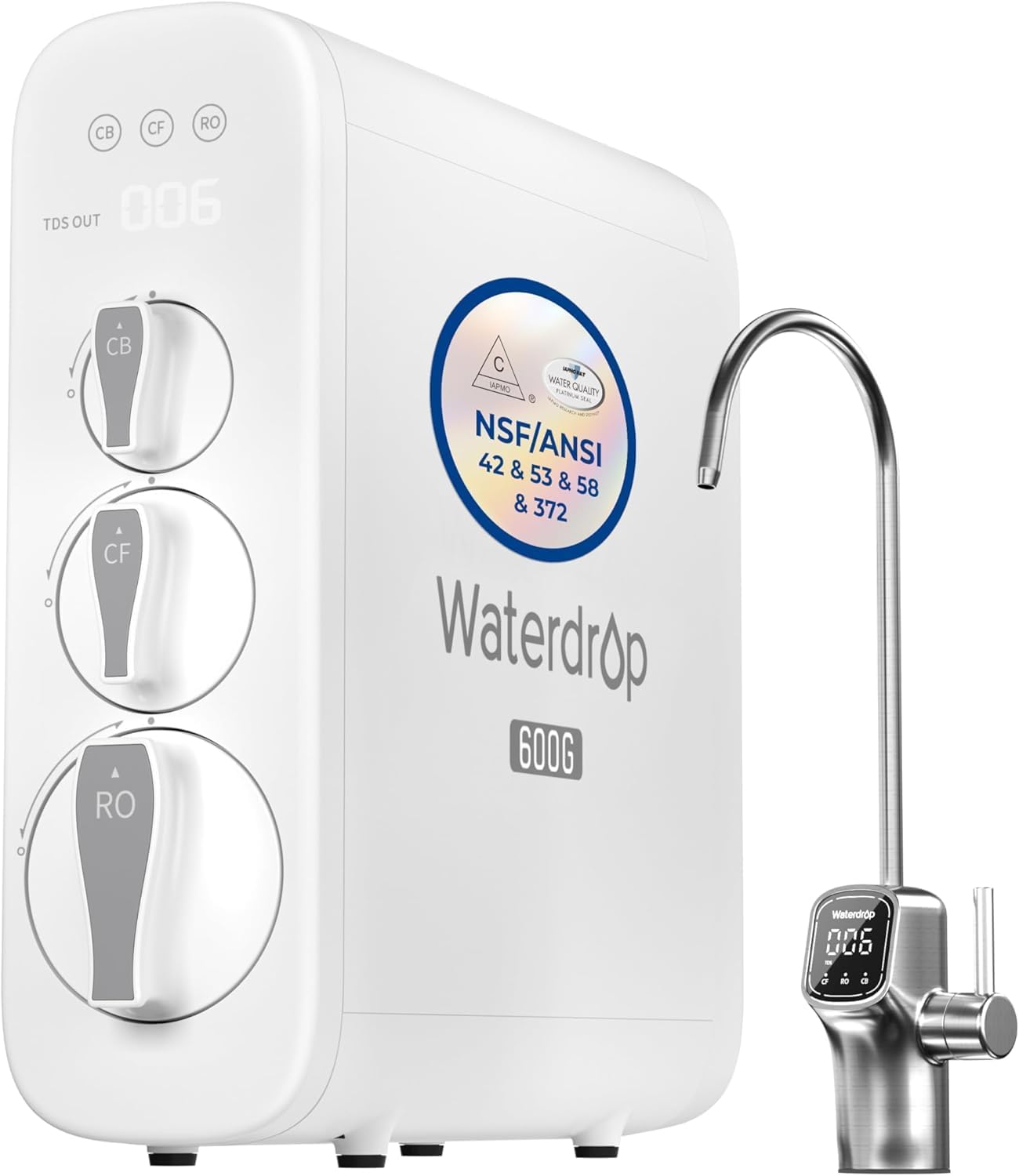
Tankless under-sink reverse osmosis systems save significant cabinet space compared to traditional bulky pressure-tank models. They free up storage for cleaning supplies while providing a clean and integrated look with a smart LED faucet. Conversely, countertop systems require zero plumbing connections, making them excellent choices for renters or temporary housing arrangements.
Always measure your cabinet interior height and depth before ordering an under-sink or whole-house setup. Be sure to check whether the unit requires an active electrical outlet under the sink to power internal booster pumps. Planning your clearance dimensions prevents unexpected installation hurdles on delivery day.
Wastewater Efficiency and Pure-to-Drain Ratios
Reverse osmosis systems naturally produce wastewater as the membrane flushes captured impurities down the drain line. Traditional RO units historically wasted three to four gallons of water for every single gallon of pure water produced. Modern high-efficiency systems have dramatically improved this dynamic by utilizing advanced membrane design and internal pumps.
When evaluating options for a large household, prioritize systems offering a two-to-one pure-to-drain ratio. This efficiency standard cuts utility waste substantially while keeping internal filters rinsed clean of mineral buildup. A lower drain ratio keeps your municipal water bill manageable over years of high-volume consumption.
Calculate your family’s estimated daily water intake to project annual drainage waste accurately. A household consuming six gallons of purified drinking water daily will discharge only three gallons of wastewater with a modern two-to-one system. Countertop units often allow you to reuse this concentrate water for watering decorative house plants or general surface cleaning.
Filter Lifespan and Replacement Expenses
Filter longevity determines both the ongoing maintenance schedule and the lifetime operating cost of your purification setup. High-capacity whole house cartridges can often process up to thirty thousand gallons before requiring a replacement. Point-of-use reverse osmosis membranes generally provide between twelve and twenty-four months of dependable service.
Heavy usage by a large family accelerates the exhaustion of sediment pre-filters and activated carbon blocks. If your water source contains elevated sediment levels, filters may require replacement closer to three-month intervals. Always check the cost and availability of replacement packs before committing to a specific brand.
We recommend mapping out your projected filter replacement schedule across a two-year operational window. High-capacity cartridges might carry a slightly higher initial price tag but save considerable money over time by reducing replacement frequency. Consistent maintenance guarantees that water flow stays brisk and contaminant reduction remains at peak performance.
Material Safety and Independent Certifications
Independent laboratory testing confirms that a water filter actually removes the harmful substances listed on its retail packaging. Trustworthy manufacturers subject their products to rigorous NSF and ANSI standards through organizations like IAMPO and SGS. Reviewing official performance data in our filtration guides directory offers helpful verification benchmarks.
Standard NSF 42 validates the reduction of chlorine, bad tastes, and unpleasant odors to improve aesthetic drinking quality. Standard NSF 53 and NSF 58 certify the reduction of specific health-related contaminants like lead, PFAS, and total dissolved solids. Ensuring the entire fluid pathway uses lead-free materials certified under NSF 372 prevents secondary leaching inside your home.
Avoid generic uncertified filters that make sweeping marketing claims without providing third-party testing documentation. Certified hardware gives you peace of mind that your family is drinking pure water free from synthetic chemical contaminants. Premium materials like food-grade borosilicate glass and 304 stainless steel also prevent unwanted plastic odors.
| System Configuration | Primary Filtration Method | Optimal Family Size | Maintenance Interval |
|---|---|---|---|
| Tankless Reverse Osmosis | Multi-Stage RO Membrane (0.0001 Micron) | 4 to 8 People | 6 to 24 Months |
| Whole House Filter Combo | Sediment and Carbon Block (5 Micron) | 4 to 10 People | 3 to 6 Months |
| Gravity Countertop Unit | Black Carbon Gravity Elements | 2 to 5 People | Up to 6,000 Gallons |
| Countertop RO with Carafe | 6-Stage RO with UV and Mineral Filter | 2 to 4 People | 12 to 24 Months |
Storage Volume for Gravity and Countertop Systems
Gravity-fed systems and countertop carafes rely on physical holding reservoirs rather than continuous pressurized water lines. A gravity system holding over three gallons of water offers a reliable buffer for medium to large families. This capacity allows multiple people to fill large sports bottles without immediately depleting the lower chamber.
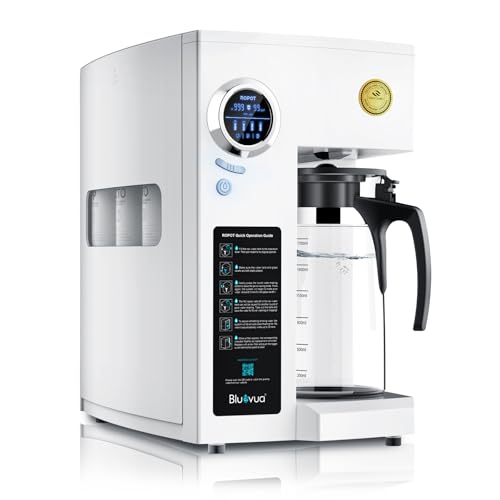
Countertop reverse osmosis machines often utilize removable glass carafes to store freshly filtered water safely on your table. Borosilicate glass containers eliminate plastic contact and fit neatly inside standard refrigerator doors for chilled dispensing. If your household drinks cold water frequently, having an easily detachable carafe is an enormous convenience.
Evaluate how quickly the reservoir refills after family members draw several cups of water in succession. Gravity systems can take an hour to filter a full batch, making upper chamber capacity critical during peak evening hours. Choosing a unit that supports expandable filtration elements will double your flow rate when demand spikes.
Smart Monitoring and Filter Life Indicators
Guessing when to change a water filter often leads to premature replacements or drinking water from exhausted cartridges. Modern systems take the guesswork out of maintenance by integrating digital filter trackers and total dissolved solid meters. Smart LED faucets display real-time water quality numbers directly on the dispensing spout.
Audible alarms and visual color-changing indicators alert you precisely when each individual filter cartridge reaches the end of its useful life. This feature prevents water bottlenecks caused by clogged sediment layers before they disrupt your household water pressure. It also ensures that the reverse osmosis membrane is never exposed to damaging chlorine breakthrough.
For busy parents managing complex household schedules, automated filter monitoring removes a recurring mental chore. You can tell at a glance whether the current flow represents pure, mineral-balanced water. Digital monitors also help you track whether seasonal changes in municipal supply affect incoming sediment levels.
Mineral Retention and Taste Balancing
Intense filtration methods like reverse osmosis strip out beneficial minerals along with dangerous contaminants, leaving water slightly acidic. Many people find that pure distilled-like water tastes flat or overly sharp on the palate. Remineralization stages restore essential electrolytes like calcium and magnesium to create a smooth, refreshing flavor profile.
Post-filtration alkaline remineralization balances the pH level of the finished water back toward an optimal neutral or alkaline state. This alkaline balance improves the flavor of brewed coffee, herbal tea, and home-cooked soups. It also supplies your family with trace dietary minerals that support daily athletic recovery and general wellness.
If you choose a heavy-duty whole house carbon setup, natural minerals remain in the water while unpleasant odors and chlorine are removed. For point-of-use reverse osmosis units, ensure the system includes an active post-carbon or mineral cartridge. This final polishing stage ensures every glass poured tastes crisp, natural, and thoroughly refreshing.
Why You Should Trust Us
Our product research methodology centers on rigorous technical analysis and verified structural specifications rather than promotional claims. We examine manufacturer blueprints, third-party lab certifications from IAMPO and SGS, and long-term durability data across major household brands. This objective approach ensures our recommendations address the real-world demands of high-volume family residences.
We evaluate hardware performance across critical variables including gallon throughput, pure-to-drain ratios, and continuous flow stability under varying water pressures. Our team regularly updates this guide to reflect recent engineering improvements and changing industry safety standards. We maintain full editorial independence so you receive transparent and actionable advice tailored to your household needs.
Every product featured in this breakdown underwent careful scrutiny regarding replacement cartridge availability, build quality, and ease of routine upkeep. By cross-referencing user feedback with accredited filtration certifications, we isolate dependable appliances that perform consistently over years of operation. Our goal is to help you invest with complete confidence in lasting water security.
Final Thoughts
Equipping your home with the Best Water Filters for Large Families transforms your daily hydration routine and cuts plastic bottle waste. Finding the right match comes down to your home plumbing preferences, daily output requirements, and available installation space. You can discover more helpful fixtures and appliances in our Bath & Home recommendations.
For high-demand kitchens wanting endless pure water with zero wait time, our top recommendation is the Waterdrop G3P600 Reverse Osmosis System. Its fast 600 GPD tankless design fills glasses in seconds, while the smart LED faucet tracks water quality and filter life effortlessly. The impressive two-to-one pure-to-drain ratio also makes it an exceptionally eco-friendly option for busy homes.
If you want whole-home protection that treats every tap without breaking the family budget, choose the PUREPLUS 10″x4.5″ Whole House Water Filter Combo. This dual-stage setup removes sediment and chlorine right at the main intake line, shielding your household plumbing and water heaters. It delivers exceptional filtration value for active households seeking comprehensive whole-house coverage.
For families seeking emergency preparedness or portable off-grid capability without plumbing hookups, the Royal Berkey 3.25 Gal Gravity Water Filter System is a premier solution. Its durable 304 stainless steel construction and expandable Black Berkey elements provide reliable gravity filtration anywhere in your home. Alternatively, the Bluevua RO100ROPOT Countertop Reverse Osmosis provides plug-and-play convenience with a clean glass carafe for tabletop serving.
Frequently Asked Questions
How many gallons of purified water does an active family consume daily?
An average family of four to six people typically consumes four to eight gallons of pure water daily for drinking, cooking, coffee brewing, and filling school bottles. Selecting a system rated for hundreds of gallons per day ensures your supply never bottlenecks during busy morning hours.
What makes tankless reverse osmosis better for large families than traditional tank models?
Tankless reverse osmosis units filter water on demand at high speed, eliminating the risk of running an internal storage tank dry. They also prevent secondary bacterial growth inside standing tanks while saving up to seventy percent of valuable under-sink cabinet space.
Are whole house filters sufficient for purifying kitchen drinking water?
Whole house filters excel at removing sediment, rust, and heavy chlorine from your entire plumbing system, protecting your appliances and shower water. However, households seeking complete removal of microscopic dissolved solids, fluoride, and heavy metals often pair whole-house systems with an under-sink reverse osmosis unit.
How often should a large household replace reverse osmosis filter cartridges?
Pre-filters and carbon blocks in busy households typically require replacement every six to twelve months depending on incoming water quality. Advanced reverse osmosis membranes last between twelve and twenty-four months before mineral scaling begins to slow down dispensing flow rates.
What is the top-rated option among Best Water Filters for Large Families in 2026?
The highest-rated option for continuous high-volume performance is the Waterdrop G3P600 Reverse Osmosis System due to its 600 GPD output and multi-stage certifications. It provides instant dispensing, intelligent filter tracking, and a low wastewater ratio suited for demanding family use.
Can gravity water filters produce enough water for active households?
Yes, large-capacity gravity systems can easily support active families if you keep the upper chamber filled throughout the day. Installing additional filtration elements inside models like the Royal Berkey 3.25 Gal Gravity Water Filter System doubles the flow rate for quicker chamber replenishment.
Does a countertop reverse osmosis system require professional plumbing installation?
Countertop reverse osmosis units require no plumbing modifications or under-sink pipe tapping. You simply plug the machine into a standard electrical outlet, fill the tap water reservoir, and let the system dispense pure water into its collection container.
How does incoming water pressure impact filtration flow rates?
Standard reverse osmosis systems require adequate feed water pressure to push liquid through dense semi-permeable membranes efficiently. Modern tankless systems solve low-pressure issues by integrating internal electric booster pumps that maintain optimal flow regardless of household plumbing quirks.
Will a whole house carbon filter reduce water pressure in multi-bathroom homes?
High-flow whole house cartridges measuring 4.5 inches by 10 inches are engineered to maintain robust flow rates without dropping household line pressure. Using replacement blocks like the PUREPLUS 5 Micron 10″x4.5″ Whole House Carbon ensures multi-bathroom homes experience smooth water delivery across all fixtures.
What is the difference between NSF 42, NSF 53, and NSF 58 certifications?
Standard NSF 42 covers aesthetic improvements like chlorine taste and odor reduction, while NSF 53 certifies the reduction of specific health hazards such as lead and volatile chemicals. Standard NSF 58 specifically evaluates reverse osmosis performance in reducing total dissolved solids and heavy metals.






Write Your Review
No reviews yet. Be the first to share your experience!