

Heating and cooling represent the largest chunk of any household utility bill. Traditional programmable thermostats often fail to deliver real savings because complicated scheduling interfaces cause most homeowners to give up and leave them on permanent hold.
Modern connected climate controllers solve this problem by adapting to your daily schedule, tracking presence, and balancing uneven room temperatures. Investing in the Best Wi-Fi Thermostat setup lets you manage comfort remotely while automatically trimming wasted power during empty hours.
Choosing the right hardware requires understanding your HVAC wiring, smart home ecosystem, and zone needs. If you are also refreshing other parts of your living space, take a look at our Home & Living section for helpful domestic project ideas.




Wiring Compatibility and C-Wire Requirements
The common wire, or C-wire, delivers continuous 24-volt electrical power to modern smart thermostats. Without a dedicated power line, connected displays and continuous wireless radios must sip power intermittently from heating or cooling circuits.
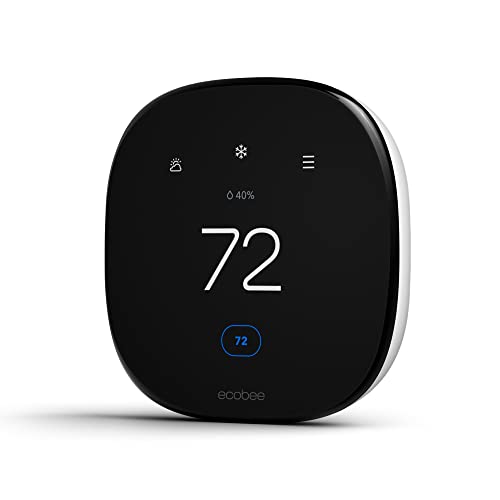
Power-stealing without a C-wire can cause mechanical wear on furnace control boards or intermittent Wi-Fi drops. Devices like the ecobee Smart Thermostat Enhanced include power extender kits to adapt older four-wire setups safely.
Always shut off your breaker and pull your existing wall plate before buying any new model. Count the active conductor wires to confirm whether you have a C-wire or will need an adapter kit.
Remote Room Sensor Integration
Most thermostat wall brackets sit in central hallways where the temperature rarely matches occupied living spaces. Remote sensors let your system prioritize the rooms where your family actually spends time throughout the day.
Accessories such as the Google Nest Temperature Sensor (2nd Gen) measure temperature and communicate readings back to your base station. This allows the system to average temperatures across multiple zones or focus entirely on upstairs bedrooms during the night.
When planning your layout, make sure to budget for extra satellite sensors if you live in a multi-story home. Balancing hot upstairs zones against drafty ground floors requires accurate multi-point data collection.
Smart Ecosystem and Matter Support
Seamless voice assistant and smart home integration ensures your temperature adjustments happen without digging through dedicated mobile menus. Leading platforms support automated routines tied to lighting, security alarms, or motorized window shades.
The latest Google Nest Learning Thermostat (4th gen) adds Matter protocol compatibility for direct communication across diverse brands. Models supporting Apple HomeKit, Google Assistant, and Amazon Alexa ensure flexible multi-user operation for every family member.
Before purchasing, audit your current smart speaker ecosystem to ensure your chosen hardware supports native voice commands. You can find more home setup inspiration across our Guides archive.
Smart Learning vs. Programmable Scheduling
Smart learning thermostats monitor your manual adjustments for several days to build a custom heating and cooling schedule automatically. In contrast, programmable models require you to enter baseline target temperatures for wake, leave, return, and sleep blocks.
Units like the ecobee Smart Thermostat Essential use built-in occupancy tracking to toggle energy-saving setbacks whenever you step outside. This removes the hassle of manually updating schedules when holiday routines or remote workdays disrupt your standard routine.
If your daily schedule changes constantly, prioritize adaptive learning and geofencing over rigid time-based programming. Highly structured households, however, can save money by sticking with basic programmable Wi-Fi models.
Display Clarity and User Interface Design
Physical interaction remains essential when guests, children, or house sitters need to change room temperatures quickly. Large full-color screens display outdoor weather conditions, indoor humidity, and active equipment status at a quick glance.
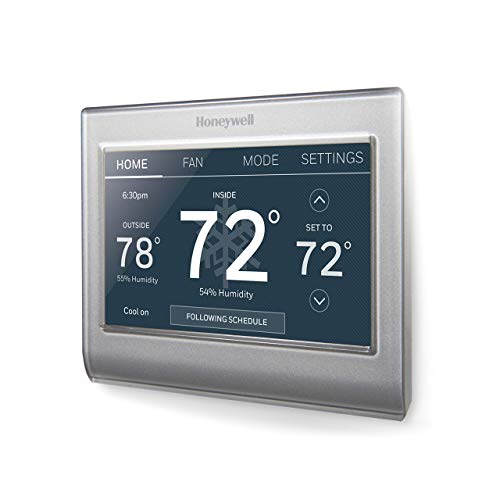
The Honeywell Home RTH9585WF Wi-Fi Smart Color provides customizable on-screen background themes to blend with your interior wall paint. Premium dials featuring proximity sensors brighten automatically as you walk toward the wall plate across a dark hallway.
Select a display that offers high contrast and large font sizing if wall mounting near high-traffic living areas. Simple physical push-buttons also prevent accidental setting adjustments compared to overly sensitive touch glass.
HVAC Equipment Compatibility
Residential climate equipment varies widely across single-stage gas furnaces, multi-stage heat pumps, dual-fuel setups, and hydronic boilers. Installing an incompatible controller can disable auxiliary heat strips or short-cycle your air compressor.
Standard 24-volt systems support nearly all mainstream connected thermostats on the retail market. However, high-voltage baseboard heaters running on 120-volt or 240-volt line power require specialized high-voltage controllers.
Always write down your HVAC brand, terminal labels, and system stage counts before ordering. Many top manufacturers provide online compatibility tools to verify terminal matching before you dismantle your old wall unit.
| Feature | Google Nest (4th Gen) | ecobee Essential | Sensi ST55 | Honeywell RTH9585WF |
|---|---|---|---|---|
| C-Wire Required | No (Most Homes) | Optional (PEK Included) | No (Most Heating/Cooling) | Yes |
| Matter Support | Yes | No | No | No |
| Remote Sensor Included | Yes | Optional Accessory | No | No |
| Display Type | High-Res Dynamic Glass | Color Touchscreen | Backlit Monochrome LCD | Color Touchscreen |
Energy Tracking and Utility Rebate Eligibility
Energy Star certification proves that a thermostat meets strict efficiency standards through independent testing. Most regional electric and gas utilities provide direct purchase rebates ranging from thirty to one hundred dollars for certified equipment.
Detailed mobile reporting lets you examine exact compressor runtimes, fan hours, and thermal drift over time. These reports help diagnose dirty furnace filters, failing blower motors, or poor home insulation before major utility bills arrive.
Check your utility provider’s online rebate catalog before completing your purchase. Enrolling in voluntary peak-demand savings programs can also earn annual bill credits while keeping your energy consumption lean.
Privacy Controls and Data Retention Policies
Connected home hardware collects detailed occupancy habits, daily schedules, and geofencing location points. Understanding how manufacturers handle this data is essential for preserving your family’s personal privacy.
The Sensi Smart Thermostat, Wi-Fi, DIY, Alexa features dedicated privacy safeguards that guarantee your personal information will not be sold to third-party advertisers. Clean privacy guidelines ensure your home activity patterns remain secure behind encrypted cloud infrastructure.
Review whether a device requires an always-active microphone or continuous background phone tracking to operate properly. If data collection is a concern, stick with brands offering transparent privacy declarations and local manual button controls.
Installation Complexity and Included Mounting Hardware
Replacing a thermostat is one of the most accessible do-it-yourself electrical projects for homeowners. Most units include mounting screws, drywall anchors, wire labels, and decorative trim wall plates right inside the box.
Large trim plates cover up unpainted drywall patches, screw holes, and faded paint left by oversized legacy controllers. Models with built-in bubble levels make mounting completely straight and hassle-free without hunting for extra garage tools.
Take a clear smartphone photo of your existing wire terminal connections before detaching any individual conductor. For other practical residential maintenance tutorials, browse through our How To category.
Why You Should Trust Us
Our review team focuses on objective, data-driven analysis of modern home climate controls. We examine manufacturer technical datasheets, HVAC electrical wiring schematics, and Energy Star verified lab metrics to curate reliable selections.
We evaluate key functional variables including low-voltage transformer loads, remote sensor transmission ranges, and cross-platform ecosystem reliability. We also monitor software update histories to ensure the hardware you buy remains stable and supported over years of ownership.
By comparing real-world installation requirements alongside user interface feedback, we cut through marketing hype. Our guides are regularly audited so our recommendations always reflect current firmware releases and smart standards.
Final Thoughts
Selecting the right smart controller depends entirely on your home layout, HVAC equipment, and tech preferences. For those seeking top-tier design, broad Matter support, and multi-room balance, the Google Nest Learning Thermostat (4th gen) stands as our top overall choice.
Homeowners who want high-performance scheduling and seamless Apple HomeKit integration on a sensible budget should consider the ecobee Smart Thermostat Essential. It delivers comprehensive energy reporting and solid multi-platform smart assistant compatibility right out of the box.
If you prefer a classic physical push-button interface that does not require a C-wire in most homes, the Sensi Smart Thermostat, Wi-Fi, DIY, Alexa is our favorite value-focused pick. For broader domestic design ideas, check our Bath & Home section.
Frequently Asked Questions
Can I install a smart thermostat without a C-wire?
Yes, several models operate without a dedicated C-wire by using battery power or power-extender kits. Adapters connect inside your furnace panel to route continuous power over existing four-wire thermostat cables safely.
How much money can a Best Wi-Fi Thermostat save each year?
Most Energy Star certified connected thermostats save between ten and twenty-six percent on annual heating and cooling expenses. Real savings depend on local climate conditions, home insulation quality, and how aggressively you apply setback schedules.
What makes the Google Nest Temperature Sensor (2nd Gen) useful for two-story houses?
Upstairs bedrooms often run noticeably hotter than ground-floor living rooms during warm summer months. Placing an auxiliary sensor upstairs tells your system to keep cooling until upper rooms reach your preferred sleeping temperature.
Will a connected climate controller work if my internet connection goes down?
Yes, your heating and cooling system will continue running on its stored local schedule during internet outages. You only lose remote mobile access and live voice assistant commands until your local Wi-Fi router reconnects.
What is the top-rated option among Best Wi-Fi Thermostat models in 2026 for smart home hubs?
The latest generation Nest units featuring native Matter support offer the broadest smart home compatibility across modern automation hubs. You can integrate them effortlessly with Apple HomeKit, Google Home, Amazon Alexa, and Samsung SmartThings.
Do I need a professional HVAC technician to replace my wall thermostat?
Most standard low-voltage thermostat installations take less than thirty minutes with basic screwdrivers. However, complex multi-stage heat pumps or dual-fuel systems may warrant calling a licensed technician to avoid short-circuiting control boards.
How does geofencing save energy when everyone leaves the house?
Geofencing creates a virtual boundary around your property using your family members’ smartphone GPS locations. When the last phone exits the boundary, the thermostat automatically switches into eco mode to stop heating or cooling an empty house.
Are smart thermostats compatible with baseboard electric heaters?
Standard connected thermostats are designed for low-voltage 24-volt systems and cannot directly manage 120-volt or 240-volt line-voltage baseboards. Attempting to wire a standard smart thermostat directly to electric baseboard heat creates severe fire hazards.
Can I lock the screen to stop guests or children from changing temperatures?
Nearly all modern smart thermostats include digital PIN locking features within their settings menus. This prevents unauthorized manual changes while still allowing scheduled program routines to execute on time.
What is the difference between single-stage and multi-stage heating systems?
Single-stage systems run at maximum capacity whenever heating or cooling is active. Multi-stage equipment adjusts compressor and blower speeds dynamically, providing quieter performance and improved indoor humidity control.



Write Your Review
No reviews yet. Be the first to share your experience!