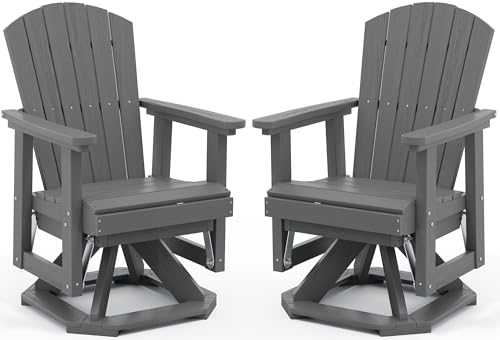
A living room can start to feel flat even when nothing is technically wrong with it. The sofa still works, the TV still turns on, but the space lacks personality and doesn’t quite serve the way you actually live. One of the fastest ways to fix that is a targeted three-piece upgrade: an accent chair for character and extra seating, a chaise lounge for relaxed comfort, and a lift top coffee table that pulls double duty as a workspace. Together, these pieces change how a room looks and how it functions, without requiring a full furniture overhaul.
This guide walks through how to plan the upgrade, choose each piece with intention, and arrange everything so the room feels cohesive rather than cluttered. Whether you’re refreshing a starter apartment or reworking a family living room, the same core principles apply.
Step 1: Assess Your Current Layout Before You Buy Anything
Before shopping, measure your room and map out the existing furniture. Note where the sofa sits, where walkways naturally form, and where the room feels empty or awkward. A common mistake is buying pieces first and figuring out placement later – this almost always leads to cramped walkways or a room that feels unbalanced.
- Measure the full room, then subtract space for doorways, vents, and windows that furniture can’t block.
- Identify a natural anchor point – usually the sofa or the TV wall – and plan the new pieces around it.
- Leave at least 30-36 inches for main walkways and 14-18 inches between seating and the coffee table.
- Decide whether the accent chair and chaise will face each other, flank the sofa, or create a separate reading nook.
Sketch a rough floor plan, even a simple one on paper, before you start browsing. It will save you from returning furniture that technically fits but never feels right in the space.
Step 2: Choose the Right Accent Chair
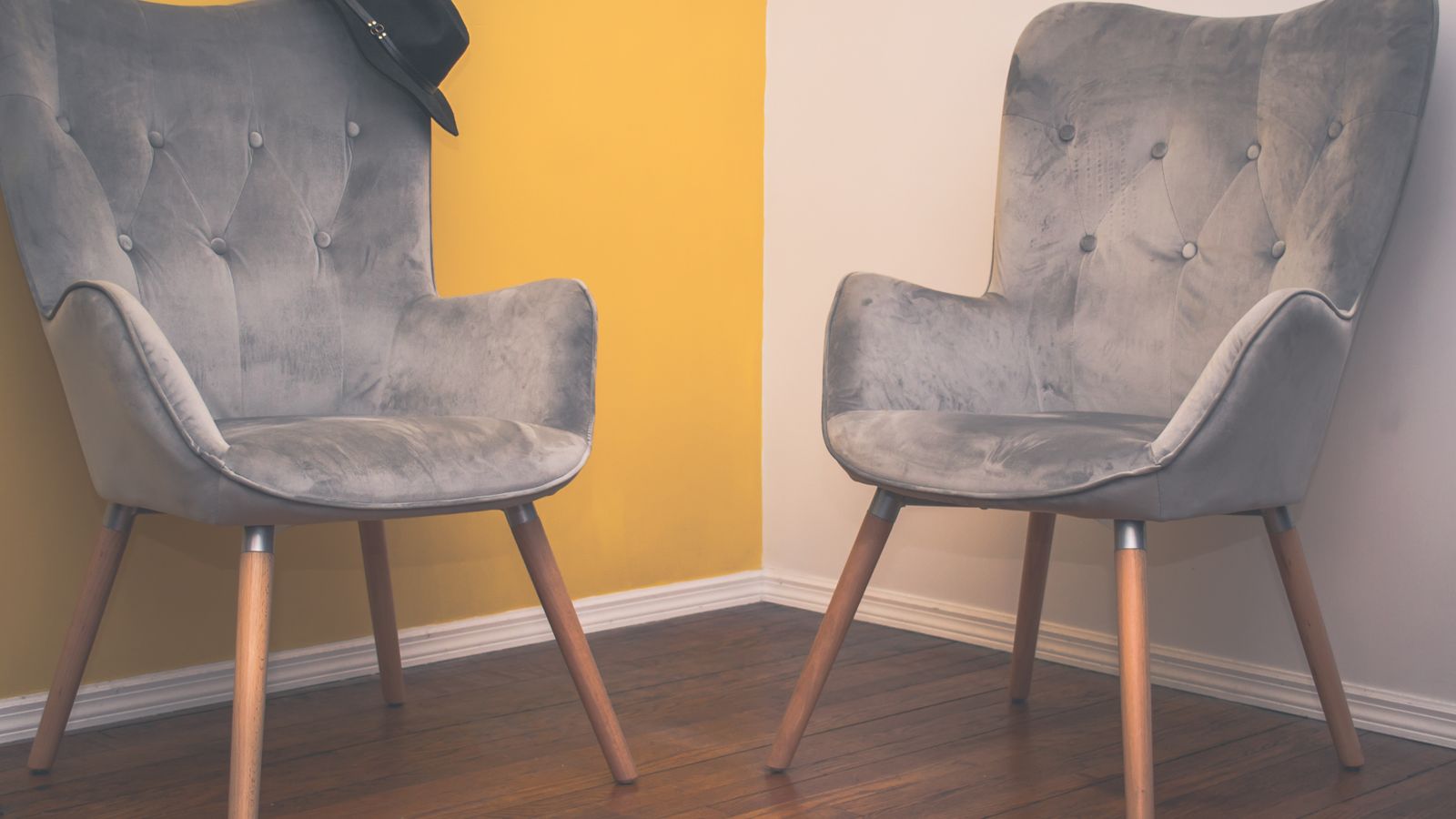
An accent chair is the easiest way to introduce color, texture, or a bold silhouette without committing to a full reupholster of your main seating. It also adds a flexible extra seat for guests without crowding the room the way a second sofa would.
What to Look For
- Scale: A chair that’s proportionate to your sofa and room size – oversized chairs can dominate a small living room.
- Fabric and durability: Performance fabrics or leather hold up better in high-traffic rooms with kids or pets.
- Silhouette: Wingback, barrel, swivel, or slipper styles each read differently – pick one that contrasts pleasantly with your sofa’s shape.
- Comfort: Sit in it (or check reviews closely) before buying – some accent chairs prioritize looks over actual seat depth and back support.
If you want a curated starting point, this roundup of accent chairs covers a range of styles, price points, and fabric options worth comparing before you commit.
Step 3: Add a Chaise Lounge for Relaxed Seating
A chaise lounge introduces a different kind of comfort than a sofa or accent chair – it invites you to stretch out, read, or nap in a way upright seating doesn’t. It also works well as a secondary seating zone if your living room is large enough to support more than one seating cluster.
Where a Chaise Fits Best
- Near a window with good natural light, positioned as its own reading corner.
- Angled off the end of a sectional to extend the lounging area.
- In a bay window nook or an underused corner that currently has no real purpose.
Chaise lounges range from fully upholstered indoor pieces to more casual daybed-style designs. Match the upholstery to your accent chair or sofa fabric family so the room reads as intentional rather than mismatched. Browse a range of options in this guide to chaise lounges to compare sizing and upholstery choices side by side.

Step 4: Upgrade to a Lift Top Coffee Table
A lift top coffee table solves a problem most standard coffee tables don’t: it raises to laptop or dining height, giving you a functional surface for working, eating, or gaming from the sofa without pulling up a separate desk or tray table. Many models also include hidden storage underneath the lifting panel, which helps hide remotes, chargers, and clutter.
Features Worth Prioritizing
- Smooth lift mechanism: Look for a table with a sturdy hinge system that doesn’t wobble when raised.
- Storage compartment: Useful for keeping the surface clear when the table is lowered back down.
- Size relative to your sofa: The tabletop should be roughly two-thirds the length of your sofa for visual balance.
- Material: Solid wood and engineered wood with a durable laminate both hold up well; avoid thin veneers in busy households.
For side-by-side comparisons of mechanisms, storage capacity, and finishes, this list of best lift top coffee tables is a solid place to start narrowing down options.
Step 5: Plan the Arrangement Before Delivery
Once you’ve chosen all three pieces, plan their exact placement before delivery day so you’re not rearranging heavy furniture repeatedly. A few placement principles keep the room functional:
- Position the sofa and accent chair to form a conversational triangle, angled toward each other rather than lined up against opposite walls.
- Center the lift top coffee table within reach of both the sofa and the accent chair.
- Place the chaise lounge in a spot that doesn’t block the main walking path through the room.
- Leave breathing room around each piece – furniture pushed flush against walls can make a room feel more, not less, cramped.
- Add a rug large enough that at least the front legs of each seating piece rest on it, which visually ties the grouping together.
Step 6: Coordinate Color and Texture
With three new pieces entering the room, it’s easy to end up with a mismatched look if each is chosen in isolation. Aim for a shared color palette and a mix of textures rather than identical fabrics.
- Pick one dominant neutral (the sofa or existing rug) and let the accent chair introduce a secondary color or pattern.
- Balance textures – pair a smooth leather chaise with a boucle or linen accent chair, or vice versa.
- Keep wood tones consistent between the coffee table and any other wood furniture in the room, such as a TV console or shelving.
- Use throw pillows and a throw blanket to visually connect pieces that don’t perfectly match on their own.
Common Mistakes to Avoid
- Buying oversized furniture for the room: Measure twice – an accent chair or chaise that looks reasonably sized online can overwhelm a small room in person.
- Ignoring walkway space: Even beautiful furniture becomes frustrating if you have to squeeze past it daily.
- Choosing fabrics without considering maintenance: Light fabrics show stains fast in households with kids, pets, or frequent guests.
- Skipping the floor plan step: Placing furniture by instinct on delivery day often leads to awkward gaps or overcrowding.
- Forgetting the lift table’s clearance: Make sure there’s enough room in front of the sofa for the tabletop to lift fully without hitting anything.
Safety and Maintenance Notes
Lift top mechanisms rely on hinges and support arms – avoid leaning heavy weight on the raised panel, and periodically check that hinge hardware stays tight. For upholstered accent chairs and chaise lounges, rotate and fluff cushions regularly to prevent uneven wear, and treat fabric with a protective spray if the piece will see heavy daily use. Vacuum upholstery seams monthly to prevent dust and pet hair buildup, which extends the life of the fabric significantly.
Frequently Asked Questions
Do I need to buy all three pieces at once?
No. You can phase the upgrade in over a few months – start with whichever piece solves your biggest pain point, whether that’s extra seating, a relaxing lounge spot, or a functional work surface.
Will a chaise lounge and accent chair clash stylistically?
Not if you tie them together with a shared color family or complementary texture. They don’t need to match exactly, but they should feel like they belong to the same overall palette.
How much clearance does a lift top coffee table need?
Plan for at least 12-16 inches of open space in front of the sofa so the tabletop can lift fully upright without hitting furniture or a rug edge that’s bunched up.
Is a lift top coffee table sturdy enough for daily laptop use?
Most quality lift top tables are built with reinforced hinges rated for regular use, but check weight capacity and hinge material if you plan to use it as a daily workstation.
Final Thoughts
Upgrading a living room doesn’t require replacing everything at once. An accent chair, a chaise lounge, and a lift top coffee table each solve a distinct problem – style, comfort, and function – and together they can transform how a room looks and works without a full renovation. Take the time to measure, plan the layout, and coordinate colors before buying, and the result will feel like a cohesive redesign rather than three separate purchases.