A crib mattress pad works overtime protecting your baby’s sleep surface from spit-up, diaper leaks, sweat, and everyday spills. But that constant exposure to moisture also means it needs regular, careful cleaning to stay hygienic and safe. Clean it the wrong way, and you risk damaging waterproof layers, leaving detergent residue against sensitive skin, or letting mildew take hold inside the padding. This guide walks you through exactly how to clean, dry, and maintain your crib mattress pad so it lasts through every stage of your baby’s early years.
Why Proper Cleaning Matters
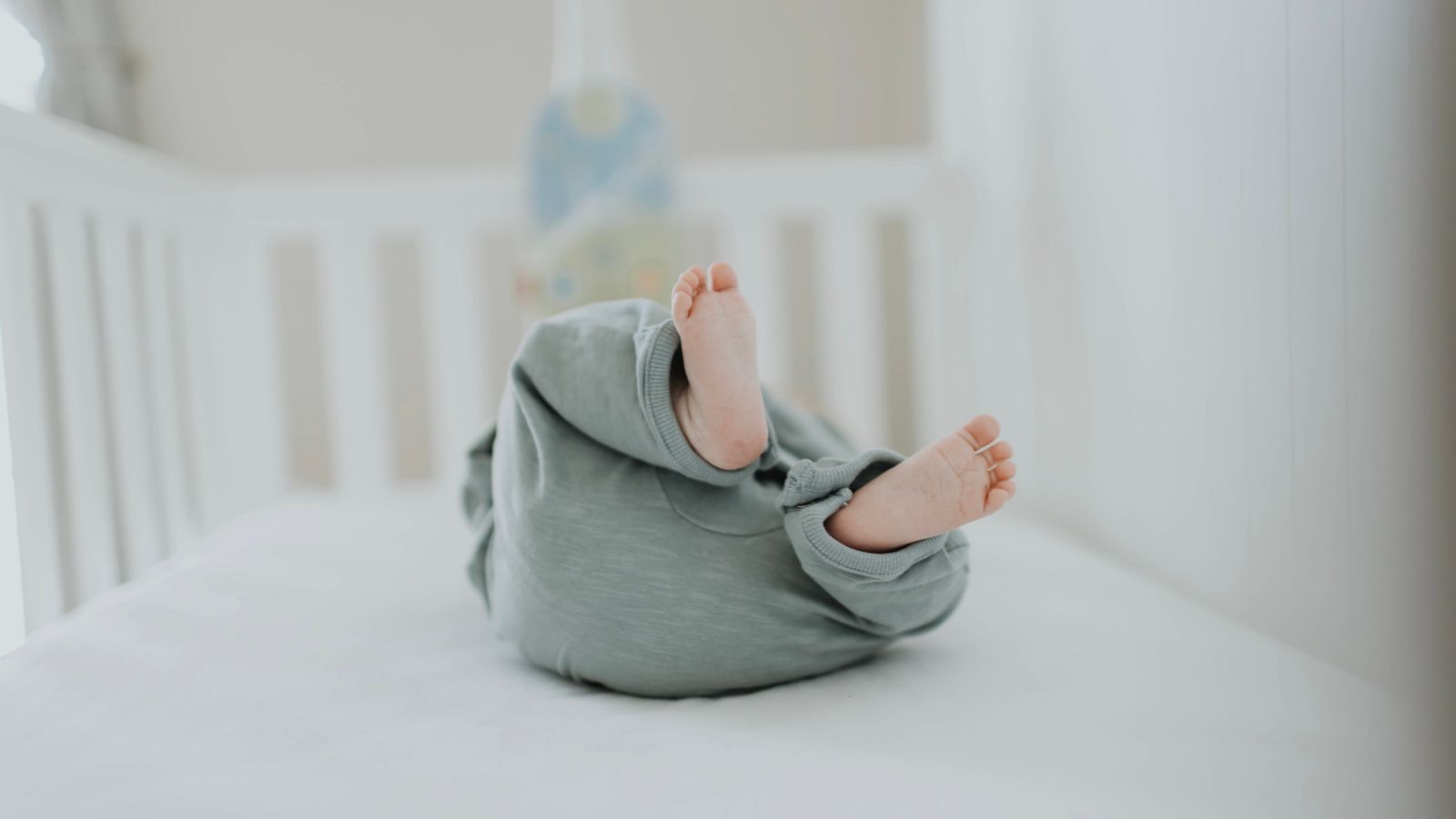
Babies spend up to 14 hours a day sleeping, and much of that time is spent in direct contact with the mattress pad. Moisture from spit-up, sweat, and diaper leaks can seep through fabric layers and, if left unaddressed, create an environment for bacteria and mold to grow. A well-maintained pad also protects the mattress underneath it, extending the life of a more expensive investment. If you’re still shopping for the right protective layer, browsing a roundup of Crib Mattress Pads can help you find one with removable, machine-washable covers, which makes the entire care routine much easier.
What You’ll Need Before You Start
Gather these supplies so you’re not scrambling mid-cleanup:
- A mild, fragrance-free baby-safe laundry detergent
- A soft-bristle brush or clean cloth
- White vinegar or baking soda (for odor and light stain treatment)
- A spray bottle for spot-cleaning solutions
- Clean towels for blotting
- Access to a washing machine, or a bathtub for hand-washing if the pad is not machine-safe
- A well-ventilated, sunny drying spot or a dryer on a low, no-heat or air-fluff setting
Before doing anything, check the care label sewn into the pad. Manufacturers vary widely: some pads are fully machine washable, others require spot-cleaning only, and some have a waterproof layer that can be damaged by high heat. When in doubt, always defer to the label over general advice.
Step-by-Step: Everyday Spot Cleaning
Most day-to-day messes don’t require a full wash. Handling them promptly keeps stains from setting and prevents odor buildup.
- Blot, don’t rub. As soon as you notice a spill, press a clean towel firmly onto the area to absorb as much liquid as possible. Rubbing pushes moisture deeper into the padding.
- Mix a mild cleaning solution. Combine a small amount of baby-safe detergent with warm water in a spray bottle, or use a solution of equal parts water and white vinegar for organic stains like spit-up or formula.
- Apply and dab. Lightly mist the stained area and use a soft cloth or brush to work the solution into the fabric in gentle, circular motions. Avoid saturating the pad, especially over a waterproof backing.
- Rinse with a damp cloth. Wipe the area with a cloth dampened in plain water to lift away any detergent residue, since leftover soap can irritate a baby’s skin.
- Air dry completely. Prop the pad upright or lay it flat in a well-ventilated area, ideally near sunlight, which naturally helps neutralize odors. Never place the pad back on the crib while damp.
Step-by-Step: Deep or Machine Washing
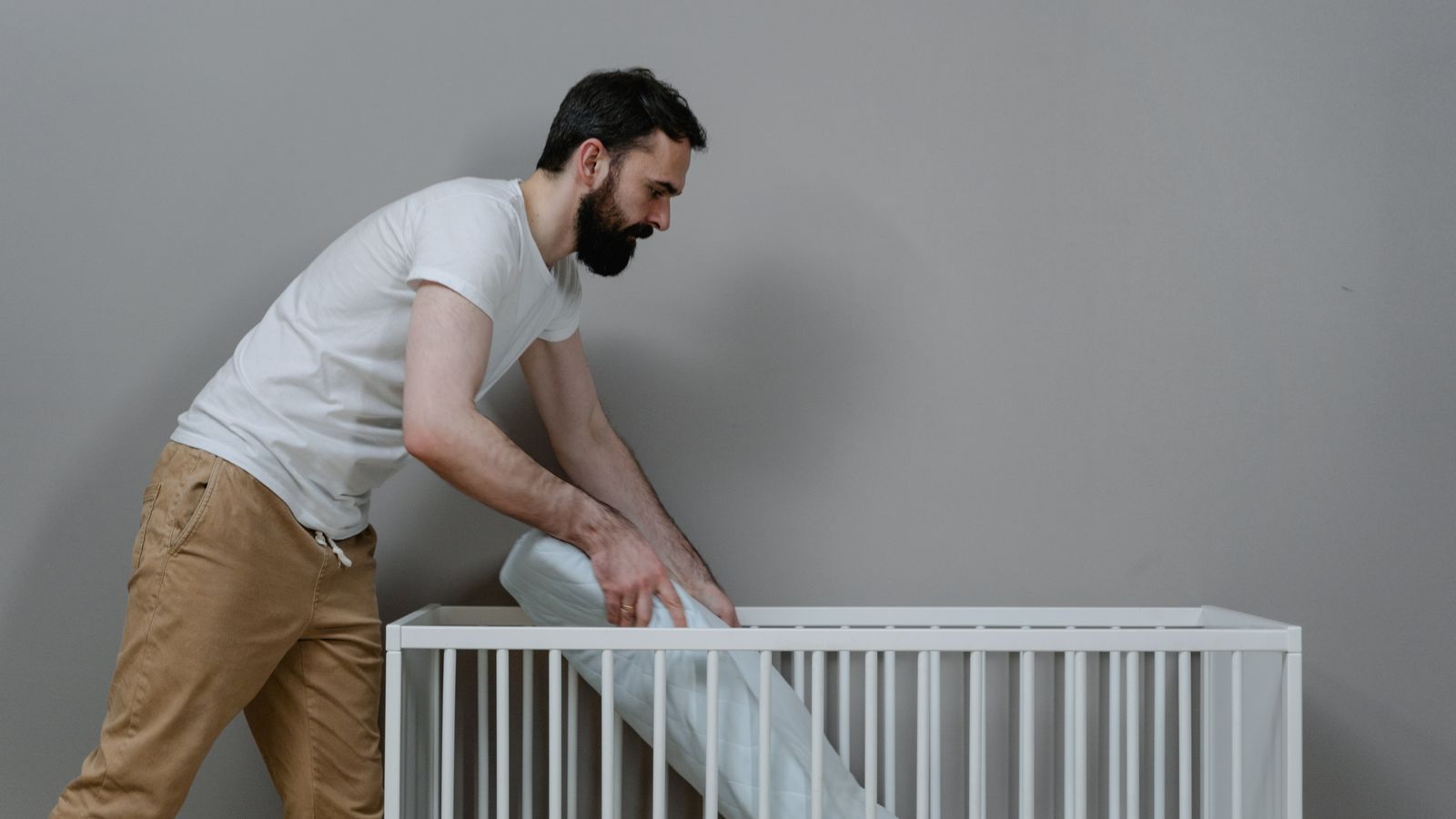
Every few weeks, or after a particularly messy incident, your pad benefits from a full wash. Follow these steps if the care label confirms it’s machine washable:
- Shake off loose debris and pretreat any visible stains using the spot-cleaning method above.
- Load the washer on a gentle or delicate cycle with cold or lukewarm water. Hot water can break down waterproof coatings and shrink fabric layers.
- Use a small amount of fragrance-free, dye-free detergent. Skip fabric softener, which can coat fibers and reduce absorbency or breathability.
- Balance the load by washing the pad alone or with a couple of towels to prevent it from bunching against the drum, which can cause uneven cleaning.
- Skip the dryer’s high heat. If the label allows tumble drying, use a low or no-heat, air-fluff setting. Otherwise, lay the pad flat on a drying rack or hang it over a clothesline in a ventilated space.
- Check for full dryness before returning it to the crib. Press your palm firmly into the center and edges; any lingering dampness means it needs more drying time.
Hand-Washing a Non-Machine-Washable Pad
If your pad’s label says spot-clean or hand-wash only, fill a bathtub or large basin with lukewarm water and a small amount of mild detergent. Submerge the pad and gently agitate it with your hands, focusing on soiled areas. Drain the tub, refill with clean water, and rinse thoroughly until no suds remain. Press out excess water by rolling the pad in a dry towel rather than wringing it, which can distort the shape or crack a waterproof layer. Finish with a flat air-dry in a ventilated space.
Removing Tough Stains and Odors
For stubborn stains like formula, urine, or older spit-up marks, a baking soda paste works well: mix baking soda with a little water into a paste, apply it directly to the stain, let it sit for 15-20 minutes, then wipe away with a damp cloth. For lingering odors, sprinkle dry baking soda over the entire surface, let it sit for a few hours or overnight, then vacuum it up with an upholstery attachment. Avoid bleach or harsh chemical cleaners entirely, as residues can irritate a baby’s skin and lungs even after rinsing.
How Often to Clean the Pad
A practical routine keeps the pad fresh without excessive wear:
- Cover: Wash the removable cover weekly, or immediately after any leak or spill.
- Full pad: Deep clean or machine wash every 2-4 weeks, depending on how often accidents occur.
- Spot treatment: Address any spill or stain as soon as it happens, rather than waiting for the next scheduled wash.
Newborns tend to need more frequent cleaning due to more frequent spit-up and diaper leaks, while older babies in a crib may need less frequent full washes once feeding and diapering routines stabilize.
Common Mistakes to Avoid
- Using hot water or high heat. This is the fastest way to damage waterproof backing and shrink fabric, shortening the pad’s lifespan.
- Skipping the care label. Not all pads are made the same; some have foam cores that shouldn’t be fully submerged.
- Over-saturating during spot cleaning. Too much liquid can soak into padding and take days to dry fully, risking mildew.
- Storing while damp. Always confirm the pad is bone-dry before placing it back in the crib or storing it away.
- Using scented detergents or fabric softeners. These can leave residues and fragrances that irritate a baby’s sensitive skin.
Maintenance Tips for a Longer Lifespan
Rotate two mattress pad covers if possible, so one is always ready while the other is being washed. Use a waterproof crib sheet layered over the pad for extra protection against everyday leaks, reducing how often the pad itself needs a full wash. Inspect the pad periodically for tears, thinning padding, or a compromised waterproof layer, and replace it if protection is no longer reliable. If you’re setting up a nursery from scratch or comparing where a mattress pad fits into the bigger picture, pairing it with well-chosen furniture like toddler tables or a versatile option from best bassinets can round out a comfortable, easy-to-maintain sleep space as your child grows.

Frequently Asked Questions
Can I put a crib mattress pad in the dryer?
Only if the care label specifically allows it, and even then, use a low or no-heat setting. High heat can warp waterproof backing and shrink fabric layers, so air drying is generally the safer choice.
How do I get rid of a musty smell if the pad already got damp for too long?
Sprinkle baking soda over the entire surface, let it sit for several hours in a ventilated area, then vacuum it off. If the smell persists, a full wash followed by thorough sun-drying usually resolves it. Persistent mildew odor after these steps may mean it’s time to replace the pad.
Is it safe to use vinegar on a crib mattress pad?
Diluted white vinegar (mixed roughly equal parts with water) is a gentle, baby-safe option for treating organic stains and odors. Always test a small hidden area first and rinse well afterward.
How do I know when it’s time to replace the pad instead of cleaning it?
If the waterproof layer has visibly cracked or peeled, if odors return no matter how often you wash it, or if the padding has flattened and lost its cushioning, it’s time for a replacement rather than another cleaning cycle.
Final Thoughts
A clean crib mattress pad plays a bigger role in your baby’s health and comfort than it might seem, quietly protecting the sleep surface night after night. With a consistent routine of prompt spot-cleaning, regular deeper washes, and careful attention to the care label, you can keep the pad fresh, hygienic, and functional for as long as your baby needs it. Combine good cleaning habits with quality protective covers and sensible nursery setup, and you’ll spend far less time worrying about stains and far more time enjoying a well-rested household.