Furnishing a child’s room on a budget almost always comes down to a tough call: do you buy the kids table and chair set for homework and crafts first, or the kids bed for a proper night’s sleep? Both matter, but few parents can buy everything at once, and rushing the decision often means overspending on the wrong piece first. This guide walks you through a simple, side-by-side comparison process so you can decide with confidence which purchase comes first, and how to shop smart for whichever one you choose.
Step 1: Define What Each Piece Actually Needs to Do
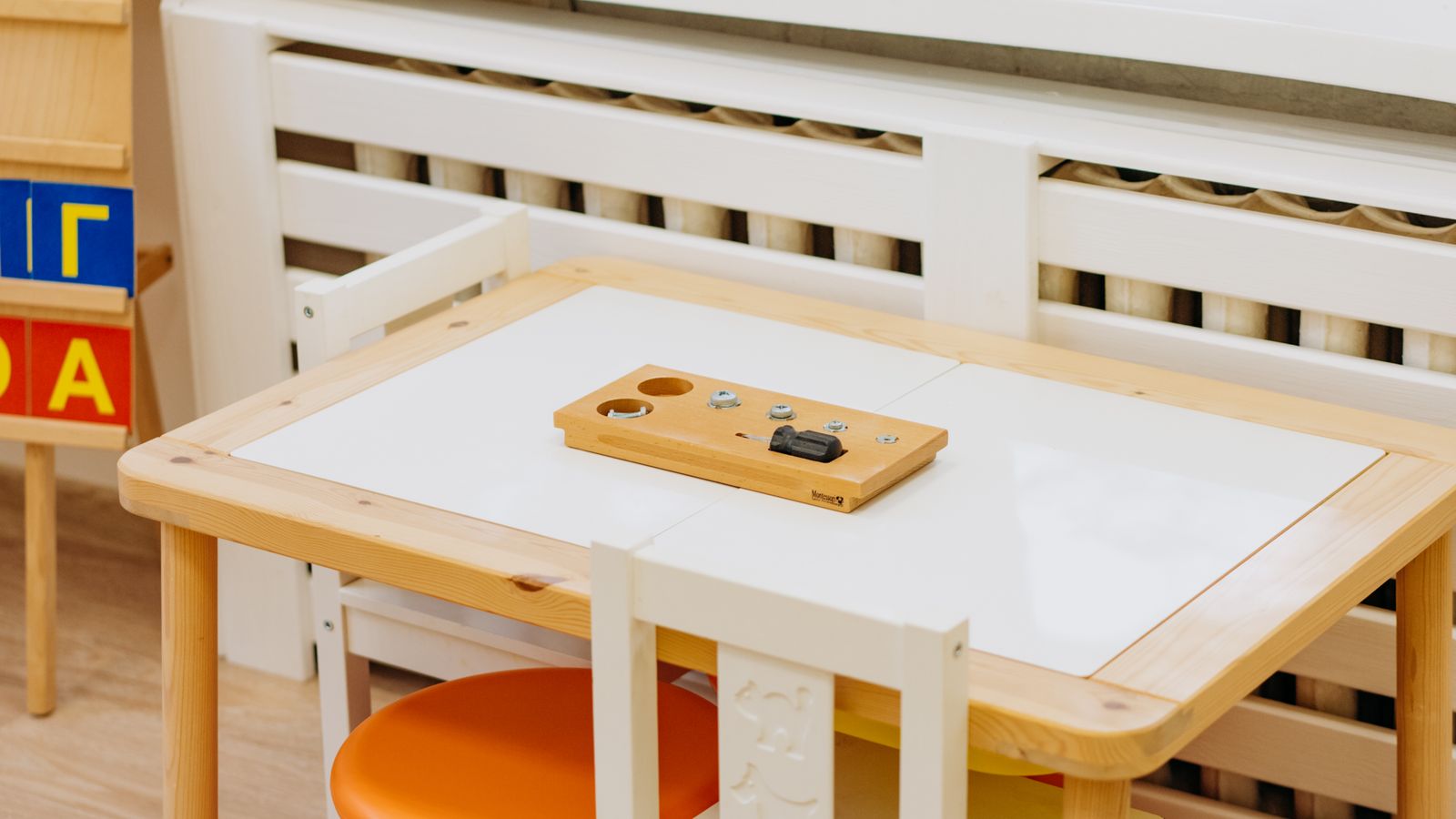
Before comparing prices or styles, get clear on function. A kids bed exists for one primary job: safe, comfortable, restorative sleep, every single night, for years. A kids table and chair set is a workspace – for coloring, homework, snack time, building blocks, or tea parties. One is a daily necessity with no substitute; the other is a convenience that can, for a short while, be improvised with a coffee table or the kitchen counter.
Write down how your child currently sleeps and where they currently do seated activities. If your child is sleeping in a crib that they’ve outgrown, or sharing a bed that no longer fits the family’s routine, that tips the priority toward the bed immediately. If sleep is already sorted but your child has nowhere dedicated to sit and create, the table and chair set becomes the more urgent gap.
Step 2: Compare Room and Space Constraints
Measure the room before you compare anything else. A kids bed has a fixed, non-negotiable footprint – a twin frame needs roughly 39 by 75 inches of floor space plus clearance to make it and walk around it. A table and chair set is far more flexible: many compact sets fit into a corner, a closet nook, or even fold away after use.
If your child’s room is small, this constraint alone can decide the order of purchase. A bed has to go somewhere no matter what, so measure its spot first. Once you know how much floor space remains, you’ll have a realistic sense of whether a table and chair set can fit now or needs to wait for a bigger room or a fold-flat design.
Step 3: Compare Growth Timelines
Kids table and chair sets are typically sized for a fairly narrow age window – roughly ages 2 to 8 – before the proportions feel too small and a child needs a standard desk instead. Expect to replace or upgrade this piece within a handful of years.
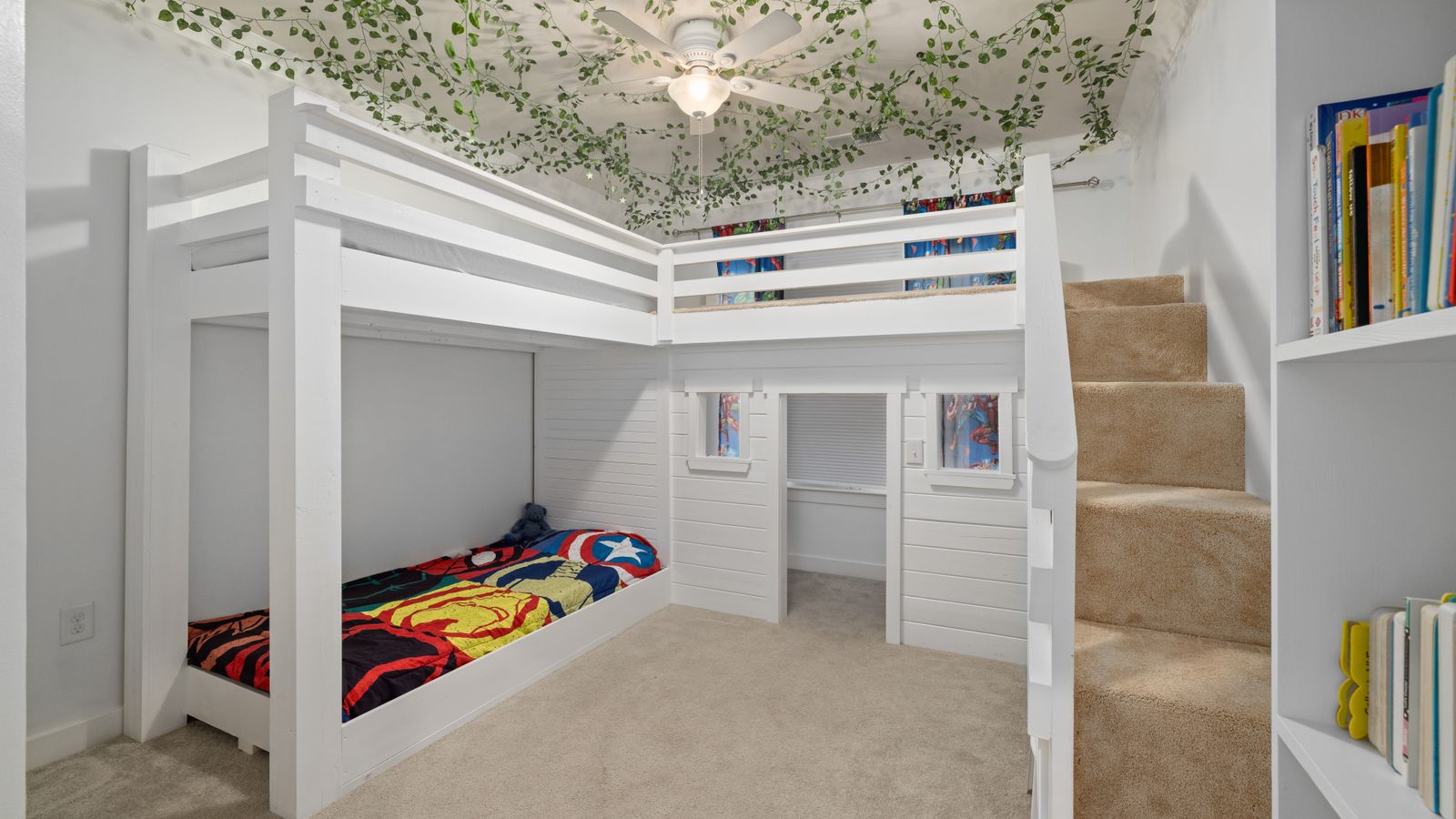
Beds have a longer runway. A well-chosen twin or twin-XL kids bed can serve a child from toddlerhood well into the teenage years, especially if you pick a frame without cartoon branding or an overly juvenile design. If you’re trying to get the most years of use out of one purchase, the bed generally offers better long-term value, while the table and chair set will likely need replacing sooner regardless of which one you buy first.
If you want to compare specific bed styles built to grow with your child, browsing a curated list of kids beds is a useful next step once you’ve settled on priorities.
Step 4: Compare Safety Considerations
Safety standards differ meaningfully between the two categories, and it’s worth understanding both before comparing specific products.
- Kids beds: Look for rounded corners, stable frames that don’t wobble, guardrails on any elevated or loft-style bed, and a mattress that fits the frame snugly with no gaps a small limb could slip into.
- Kids table and chair sets: Check for rounded edges, a low center of gravity so chairs don’t tip easily, non-toxic finishes, and stable joinery that won’t loosen with daily use.
Neither category is inherently “safer” than the other, but a bed carries more risk if it’s wrong for the child’s age (for example, a toddler in a full-height frame without rails), so weigh this carefully if your child is very young.
Step 5: Compare Budget and Cost Per Use
Sticker price alone is misleading. Instead, think in terms of cost per use. A bed gets used every single night – 365 nights a year – which makes even a higher upfront price reasonable when divided across years of nightly use. A table and chair set gets heavier use during waking hours but sees more inconsistent use as a child grows and shifts toward standard desks or the floor.
As a rule of thumb, allocate the larger share of your furniture budget to the bed first, since it’s the piece your child truly cannot do without, and treat the table and chair set as the next purchase once sleep is handled. If your budget genuinely only stretches to one item, prioritize the bed.
Step 6: Compare Materials and Durability
Both furniture types take a beating from active kids, so durability matters for either purchase.
- Check the frame material – solid wood and metal frames generally outlast MDF or particleboard, especially for beds that carry weight nightly.
- Inspect the finish – water-resistant, wipeable finishes hold up far better against spilled juice and marker stains on a table and chair set.
- Test the joinery – for both categories, look for screwed or bolted joints rather than glue-only construction, which loosens faster.
- Ask about weight capacity – this matters more for chairs and beds than most buyers expect, especially as kids grow taller and heavier each year.
A sturdier build usually costs more upfront but saves you from replacing a wobbly chair or a creaking bed frame within a year or two.
Step 7: Compare Style and Room Cohesion
Once function, safety, and budget are settled, style becomes the tiebreaker. If you already own one piece and are adding the other, try to match wood tones or color palettes so the room feels intentional rather than mismatched. Neutral finishes (natural wood, white, soft gray) tend to age well and pair with almost any bed or table style you add later, which is worth considering if you’re buying in stages rather than all at once.
Step 8: Make Your Decision With a Simple Checklist
Run through this quick checklist to land on your answer:
- Does my child currently lack a proper sleeping setup? → Prioritize the bed.
- Is sleep already handled, but there’s no dedicated activity space? → Prioritize the table and chair set.
- Is floor space extremely limited? → Measure the bed spot first; it’s non-negotiable.
- Is budget tight? → Buy the bed first; a table can be substituted temporarily.
- Do I want one purchase to last several years? → The bed typically offers a longer usable lifespan.
If you land on the table and chair set as your next purchase, compare well-reviewed options through a list of Kids Table and Chair Sets, or check best toddler tables if your child is still very young and needs a smaller-scale option built specifically for toddler proportions.
Common Mistakes to Avoid
- Buying based on looks alone. A picture-perfect set that doesn’t fit your room or your child’s age range gets outgrown or returned quickly.
- Skipping the measuring step. Guessing at floor space leads to a bed or table that simply doesn’t fit once assembled.
- Ignoring growth timelines. Buying the smallest, cheapest table set without considering how fast your child grows out of it wastes money in the long run.
- Underestimating safety checks on beds. A frame without guardrails or a snug mattress fit is a real hazard for younger children.
- Trying to buy both at once on a tight budget. Splitting a limited budget across two purchases often means both pieces are lower quality than buying one well-chosen item first.
Frequently Asked Questions
Should I buy a kids bed or a table and chair set first?
In most cases, prioritize the bed. Sleep is a nightly necessity with no easy substitute, while a table and chair set can often be temporarily replaced with a coffee table, floor cushion, or borrowed furniture until you’re ready to buy.
How do I know if a kids table and chair set is the right size?
Have your child sit in the chair with feet flat on the floor and elbows resting comfortably at table height. If their knees are cramped under the table or their feet dangle far above the floor, size up or down accordingly.
What’s the safest type of bed for a young child transitioning from a crib?
Look for a low-to-the-ground frame, rounded corners, and guardrails if the mattress sits higher than a few inches off the floor. A toddler bed or a low twin frame is generally the safest first step out of a crib.
Can I buy a cheaper table and chair set now and upgrade later?
Yes. Because kids outgrow table and chair sets faster than beds, it’s reasonable to buy a modest, budget-friendly set now and invest more heavily when your child moves to a proper desk in a few years.
Do I need to match the bed and table and chair set in style?
It’s not required, but sticking to neutral, complementary finishes makes it easier to mix pieces bought at different times without the room feeling disjointed.
Final Thoughts
Comparing a kids table and chair set against a kids bed isn’t about picking a “better” piece of furniture – it’s about understanding which need is more urgent for your child right now. Walk through room measurements, growth timelines, safety needs, and budget, and the right order of purchase usually becomes obvious. Whichever you choose first, take the time to compare real options rather than settling for the first thing you see, so the piece you bring home actually earns its keep for years to come.