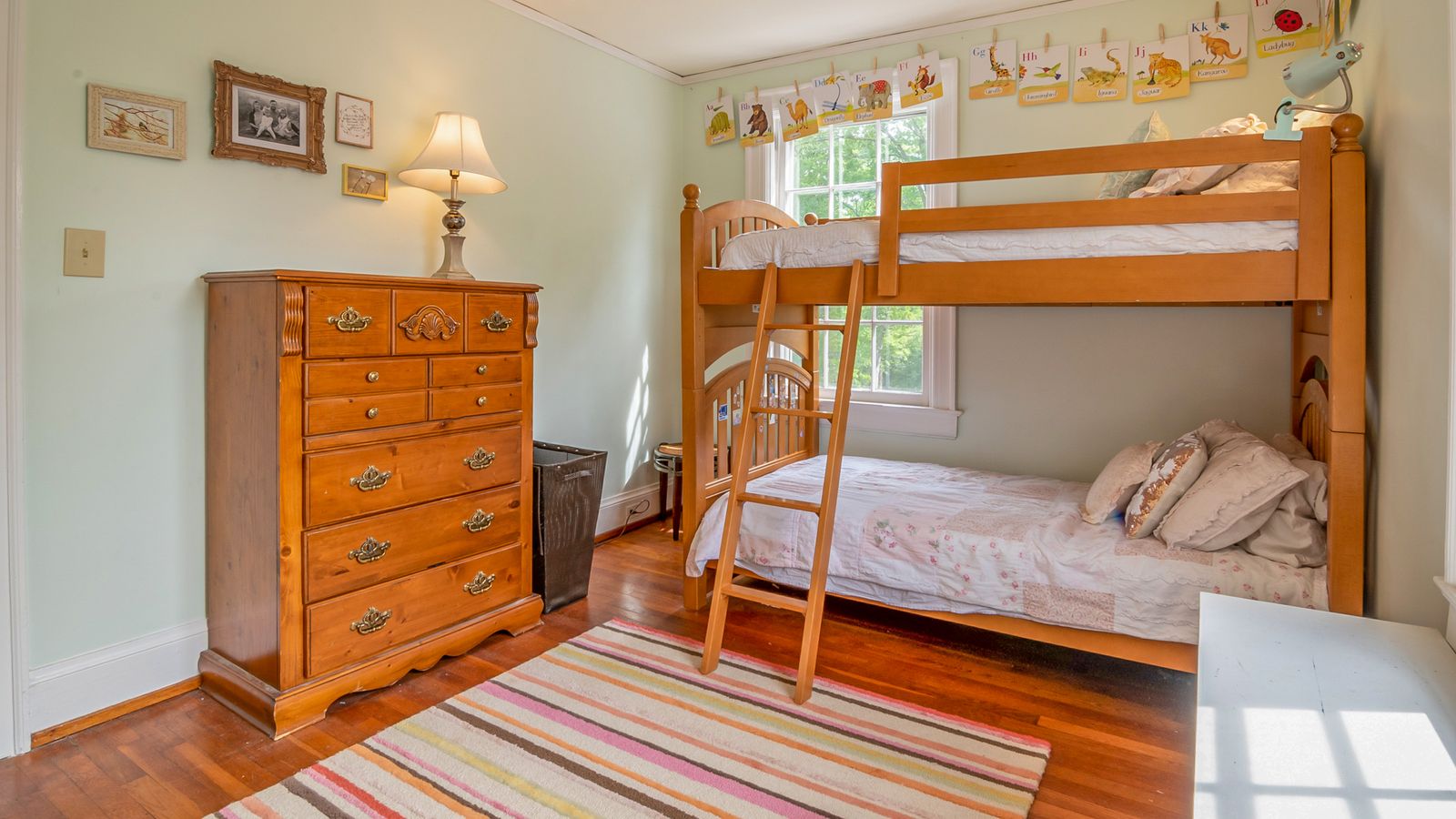
If you’re working with a tight bedroom, loft, or bunk setup, a bunkie board can be one of the smartest space-saving upgrades you make. Unlike a bulky box spring, a bunkie board is a thin, low-profile panel that slides under your mattress to provide firm, even support without eating up vertical clearance. That makes it especially useful for bunk beds, daybeds, trundles, and any room where every inch of height matters. This guide walks you through exactly how to pick the right bunkie board for a small space, covering thickness, materials, sizing, and the common mistakes to avoid.

What Is a Bunkie Board and Why It Matters for Small Spaces
A bunkie board is a flat, rigid platform, usually made of wood or a wood composite, wrapped in a thin layer of fabric or foam. It sits between your bed frame’s rails or slats and your mattress, distributing weight evenly and preventing the mattress from sagging into gaps. Compared to a traditional box spring, which can add 8 to 9 inches of height, a bunkie board typically adds only 1 to 3 inches. That difference is huge when you’re trying to keep a bunk bed under a low ceiling, fit a daybed under a window, or maximize headroom on the top bunk.
For small spaces, the goal is to get firm mattress support while sacrificing as little vertical and visual space as possible. A well-chosen bunkie board does exactly that, and it also tends to be lighter and easier to maneuver than a box spring, which matters if you’re navigating narrow stairwells or tight doorways during setup.
Step 1: Measure Your Bed Frame and Available Clearance
- Measure the interior dimensions of your bed frame, from rail to rail, in both length and width. Most bunkie boards are sold in standard sizes (twin, twin XL, full, queen), but a snug fit inside the frame prevents shifting.
- Measure the vertical clearance above the bed, especially for bunk beds or lofts. Check the gap between the top of the lower mattress and the underside of the upper bunk frame, and make sure there is at least a few inches of breathing room after the new board and mattress are in place.
- Note the height of your existing box spring or support system, if you’re replacing one, so you can compare it directly against bunkie board thickness options.
- If the bed will sit against a wall or under a slanted ceiling, measure that clearance too, since bunk beds and daybeds are often tucked into awkward corners.
Step 2: Choose the Right Thickness
Bunkie boards generally come in three thickness ranges, and picking the right one is the single biggest factor in how much space you save.
- 1 to 1.5 inches: The slimmest option, ideal for bunk beds and lofts where every inch of headroom counts. This thickness works best when the bed frame already has solid slats or a platform base providing most of the support.
- 2 to 2.5 inches: A middle-ground choice that adds a bit more rigidity and durability while still staying far slimmer than a box spring. This is a good default for daybeds, trundles, and guest rooms.
- 3 inches or more: Closer to a low-profile box spring in feel, offering the most structural support but using up more of your precious vertical clearance. Reserve this for frames with wide-set slats that need extra reinforcement.
As a rule of thumb, thinner boards work best when your frame already has closely spaced slats (2 to 3 inches apart) doing most of the load-bearing work. If your frame has wide gaps between slats, a slightly thicker, sturdier board helps prevent sagging over time.
Step 3: Consider Material and Construction
Solid Wood Slats
Bunkie boards built from solid wood slats connected by a fabric or canvas backing tend to be lighter and easier to fold or roll for storage, which is a bonus in small apartments or rooms that double as guest spaces. They also allow slightly better airflow to the mattress underneath, reducing moisture buildup.
Plywood or Particleboard Panels
A single solid panel of plywood or particleboard, usually covered in a thin foam or fabric layer, offers a completely flat, seamless support surface. These tend to be a bit heavier and less flexible for storage, but they provide very consistent support across the entire mattress, which some sleepers prefer for firmness and durability.
Reinforced or Metal-Framed Boards
Some bunkie boards use a light metal frame with a wood or composite center for added strength without much extra thickness. These are worth considering if you have a heavier mattress or need extra support for bunk beds that see frequent use, such as in a kids’ room or shared living space.

Step 4: Match the Bunkie Board to Your Mattress Type
Not every mattress needs the same level of support underneath it. Memory foam and hybrid mattresses generally require a completely flat, gap-free surface, so a solid panel bunkie board is usually the safer choice, since gaps can create pressure points or accelerate sagging. Innerspring mattresses are a bit more forgiving and can often perform well on a slatted bunkie board as long as the slats are closely spaced. Always check your mattress warranty, since some manufacturers specify a minimum support requirement (such as slats no more than 3 inches apart, or a solid foundation) that could be voided if you use the wrong type of base.
Step 5: Check Weight Capacity and Durability
Small-space bunkie boards, especially those used on bunk beds or trundles, need to handle real-world weight without flexing or creaking. Look for a listed weight capacity that comfortably exceeds the combined weight of the mattress and heaviest expected sleeper, with some buffer for jumping kids or shifting weight. Reinforced corners, sturdy stitching on fabric-wrapped edges, and a厚 enough panel or slat spacing are all signs of a board built to last through daily use rather than occasional guest visits.
Step 6: Plan for Setup in Tight Quarters
Small spaces often come with small doorways, narrow hallways, and tight staircases, so factor in how the bunkie board will actually get into the room. Many boards ship flat or foldable, which makes them far easier to carry up stairs or maneuver around corners compared to a rigid box spring. If you’re outfitting a bunk bed, double-check that the board can be angled or slid into place on the upper bunk without needing to disassemble the frame.
Common Mistakes to Avoid
- Buying the wrong size: A bunkie board that’s too small will shift and create unsupported edges, while one that’s too large won’t fit inside the frame rails at all. Always measure twice before ordering.
- Choosing thickness based on price alone: The cheapest option isn’t always the thinnest, and the thinnest option isn’t always the cheapest. Compare thickness specs directly against your clearance measurements.
- Ignoring mattress compatibility: Using a slatted board under a memory foam mattress that requires solid support can lead to premature sagging and voided warranties.
- Skipping the weight capacity check: Bunk beds and trundles see more movement and impact than a standard bed, so an underrated board can wear out quickly.
- Forgetting ventilation: A completely sealed board with no airflow can trap moisture against the mattress over time, so look for options with small vents or breathable fabric backing when possible.
Small-Space Bunkie Board Checklist
- Interior frame dimensions measured and matched to a standard size
- Vertical clearance above the bed confirmed, especially for bunks and lofts
- Thickness chosen based on available headroom (1 to 1.5 inches for tightest spaces)
- Material selected to match your mattress type (solid panel for foam, slats for innerspring)
- Weight capacity confirmed against mattress and sleeper weight
- Setup logistics considered for stairs, hallways, and bunk access
Once you’ve settled on the sizing and support side of things, it’s worth browsing dedicated roundups of Bunkie Boards to compare specific models against your measurements, and checking out bed frame brackets if your existing frame needs reinforcement to properly support the new board. If you’re setting up an entirely new sleep space rather than retrofitting an old frame, it can also help to look at the best twin bed frames, since many are designed with bunkie board compatibility already in mind.
Frequently Asked Questions
Can I use a bunkie board on any bed frame?
Most bunkie boards work on standard slatted or platform frames, but always confirm the interior frame dimensions and slat spacing before buying, since a poor fit can cause shifting or inadequate support.
Is a bunkie board strong enough for adults, not just kids?
Yes, as long as you check the listed weight capacity. Many bunkie boards are rated to support full adult body weight comfortably, especially reinforced or solid-panel designs.
Do bunkie boards need a bed frame, or can they sit on the floor?
Bunkie boards are typically designed to rest on a frame’s rails or slats for proper support and airflow. Placing one directly on the floor can restrict ventilation and isn’t usually recommended by manufacturers.
How do I know if my mattress warranty requires a specific base?
Check your mattress manufacturer’s documentation for foundation requirements, such as maximum slat spacing or solid-surface mandates, before choosing between a slatted or solid-panel bunkie board.
Final Thoughts
Picking the best bunkie board for a small space comes down to balancing thin, space-saving construction with enough support to keep your mattress performing well over time. Start by measuring your frame and clearance carefully, choose a thickness that matches your headroom constraints, and pick a material that suits your specific mattress type. With those fundamentals in place, a bunkie board can free up valuable inches in a bunk room, guest space, or compact bedroom without compromising on comfort or support.