Nightstands with open shelves are a bedroom workhorse – holding lamps, books, chargers, and bins within easy reach every night and morning. Because they see so much daily contact, they tend to show wear faster than pieces tucked away in a closet or used only occasionally. But “showing wear” doesn’t automatically mean it’s time to replace one. Knowing the difference between cosmetic aging and structural failure can save you money and help you get years more life out of a nightstand you already like.
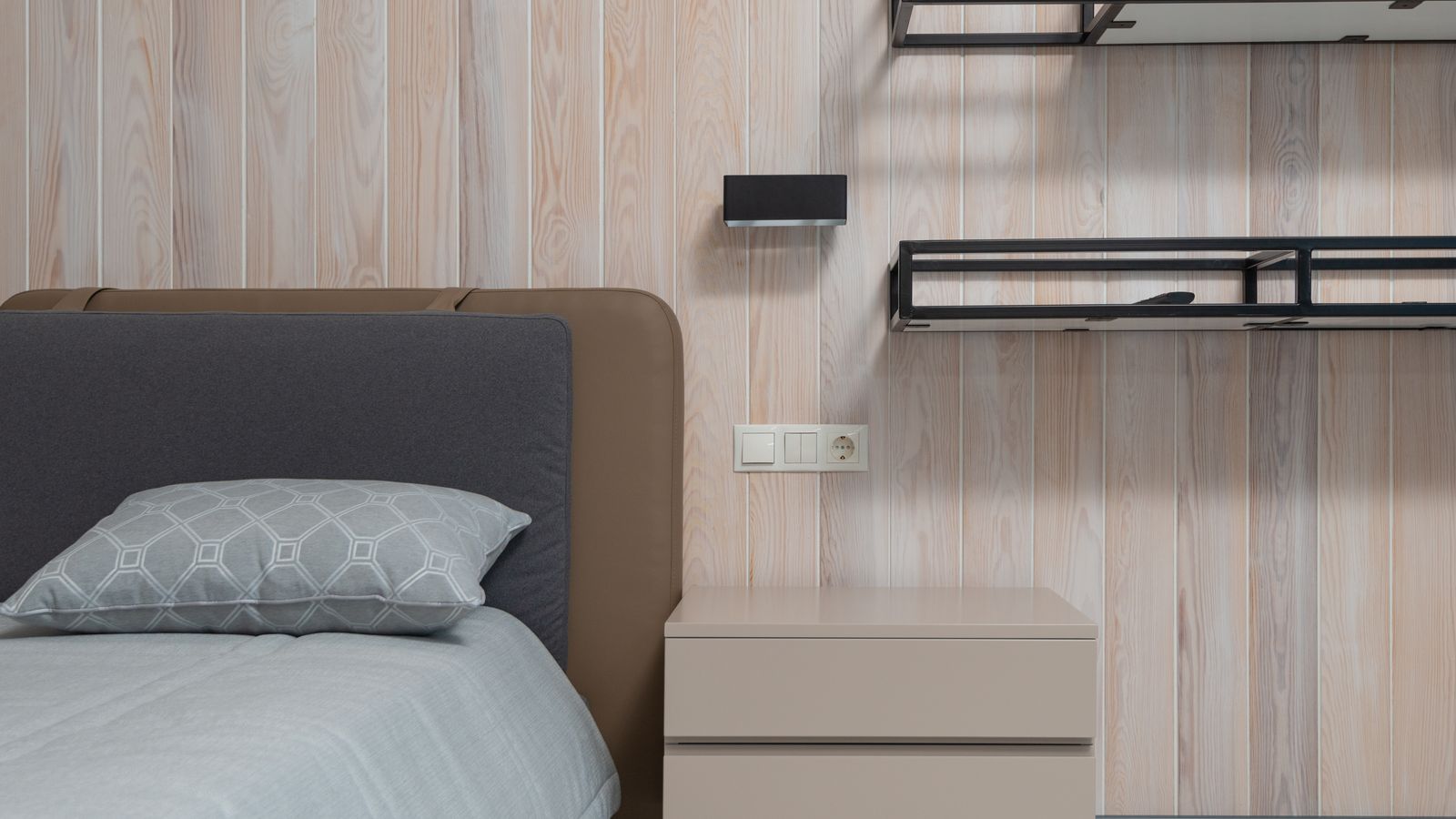
This guide walks through how long open-shelf nightstands typically last, the specific signs that tell you it’s time for a replacement rather than a repair, how to extend the life of the one you own, and what to look for if you do end up shopping for a new one.
How Long Do Open-Shelf Nightstands Typically Last?
Lifespan depends heavily on material and construction. A solid wood nightstand with open shelving, built with proper joinery, can realistically last 15 to 25 years or longer with basic care – some solid wood pieces are passed down for generations. Engineered wood or particleboard nightstands with a veneer finish, which make up a large share of budget and mid-range furniture, typically last 5 to 10 years before joints loosen, shelves sag, or the surface finish starts to fail. Metal-frame nightstands with wood or composite shelves tend to fall in between, often lasting 10 to 15 years, since the metal frame resists warping even if the shelf material eventually needs attention.
Open shelving specifically adds a variable that closed-drawer nightstands don’t have: the shelves themselves are exposed and load-bearing without the reinforcement a drawer box provides. That means shelf sag under sustained weight (stacks of books, a heavy lamp, decorative bins) is one of the more common early failure points, even before the frame itself has any issues.
Signs It’s Time to Replace, Not Repair
Sagging or Bowed Shelves
If a shelf visibly bows in the middle, especially on wider nightstands, the shelf material has begun to lose structural integrity. Light sag can sometimes be corrected by adding a support bracket underneath, but a shelf that continues to sag after reinforcement, or one made of thin particleboard, is usually not worth continuing to repair.
Wobbling That Won’t Tighten
A little wobble that tightens back up after you snug the screws or bolts is normal wear and tear. A wobble that returns within days, or where the screw holes have become stripped and won’t hold hardware anymore, points to a joint failure that’s difficult to fix permanently, especially on engineered wood.
Cracked, Delaminating, or Peeling Surfaces
Veneer that’s peeling at the edges, laminate that’s bubbling, or a top surface with deep gouges down to the substrate are all cosmetic issues that can sometimes be patched, but widespread delamination across multiple shelves usually signals the piece is past a reasonable repair window.
Water Damage or Swelling
A glass of water left too long, a humidifier running nearby, or general humidity in the room can cause particleboard to swell and warp permanently. Once particleboard swells, it does not return to its original shape, and swollen shelves are a strong signal to replace rather than repair.
It No Longer Fits Your Storage Needs
Sometimes a nightstand is structurally fine but simply undersized for how you actually use your nightstand now – more devices to charge, more books, a larger lamp. This isn’t a wear issue, but it’s still a legitimate reason to upgrade, and it’s worth browsing a wider style if you decide the current footprint doesn’t work anymore.
Everyday Care to Extend Its Life
- Dust and wipe regularly. Dust buildup on open shelves attracts moisture and grit that can dull finishes over time; a dry microfiber cloth weekly and an occasional wood-safe cleaner keeps surfaces protected.
- Use coasters and trays. Water rings from glasses and condensation from lamps or diffusers are among the most common causes of finish damage on nightstand tops.
- Distribute weight evenly. Avoid stacking all your heaviest items on one shelf or one side; even loading reduces the chance of a shelf bowing prematurely.
- Tighten hardware twice a year. Screws and bolts loosen naturally with vibration and daily use – a quick check with a screwdriver every six months keeps joints tight before they wear out the holes.
- Control humidity. Keep the nightstand away from direct radiator heat, humidifiers, and windows with condensation to prevent warping or swelling of wood-based materials.
- Use furniture pads under items. Felt pads under lamps, books, and decorative objects prevent scratches and reduce point-pressure that can wear down a finish faster.
Simple Repairs Worth Trying First
Before deciding a nightstand is beyond saving, a few low-cost fixes are worth attempting:
- Tighten or replace hardware. Swap stripped screws for slightly larger ones, or use wood glue and toothpicks to fill an oversized hole before reinserting the original screw.
- Add a support bracket. A small L-bracket or additional leg under a sagging shelf can restore support without replacing the whole piece.
- Refinish the surface. Light sanding and a fresh coat of wood stain, paint, or sealant can revive a tired-looking top or shelf, especially on solid wood.
- Re-glue loose joints. If corners or shelf supports have come apart, wood glue and clamps can often restore a stable joint, particularly on solid wood construction.
- Replace a single shelf. On some modular or ready-to-assemble nightstands, only the damaged shelf panel can be swapped out rather than the entire unit.
When Repair No Longer Makes Sense
Repairs are worth attempting when the damage is isolated – one loose joint, one water ring, one stripped screw. Replacement becomes the more sensible choice when problems are widespread across the piece, when the underlying material (particleboard, thin veneer) can’t hold a repair permanently, or when the cost and time of repeated fixes starts to approach what a new nightstand would cost. As a rough guideline, if you’ve repaired the same nightstand more than two or three times within a year, it’s usually more cost-effective to replace it.
What to Look For When You Replace It
If you’ve concluded it’s time to shop for a new nightstand with open shelves, a few features make the next one last longer:
- Solid wood or plywood construction over particleboard, especially for the shelves themselves, which bear the most repeated load.
- Reinforced shelf edges or thicker shelf material (¾ inch or more) to resist sagging under books and decor.
- Metal hardware inserts at joint points rather than screws driven directly into particleboard, which strip out much faster.
- A finish rated for moisture resistance if the nightstand will sit near a humidifier, diffuser, or drink glasses regularly.
For a broader look at well-built options in this style, this roundup of Nightstands with Open Shelves covers pieces chosen specifically for durable shelving and stable construction.
Pairing a New Nightstand with the Rest of Your Bedroom Storage
If your nightstand is due for an upgrade, it’s often a good moment to look at other bedroom storage pieces that see similar daily wear. A well-organized dresser with a mirror can complement an open-shelf nightstand nicely, especially in smaller bedrooms where every surface needs to multitask. For anyone sharing a room or wanting a more tailored storage layout, a gentleman’s chest offers a different storage approach worth comparing against a traditional nightstand-and-dresser combination.
Frequently Asked Questions
How often should I clean my nightstand’s open shelves?
A quick wipe-down once a week is usually enough for dust, with a deeper clean using a wood-safe or surface-appropriate cleaner about once a month.
Can I put too much weight on open shelves?
Yes. Most open shelves on nightstands are rated for moderate loads like books and small decor, not heavy stacks of hardcover books or large decorative objects on a single shelf – spreading weight across shelves helps prevent sagging.
Is it normal for wood nightstands to develop small cracks over time?
Minor surface checking (hairline cracks) can happen with solid wood as it responds to seasonal humidity changes, and it’s usually cosmetic rather than structural, as long as the crack doesn’t run through a joint or load-bearing shelf.
Should I repair or replace a nightstand that’s just outdated in style?
That’s a personal call rather than a durability issue – if the piece is structurally sound but you want a style refresh, refinishing or repainting is often more sustainable than replacing a perfectly functional nightstand.
Final Thoughts
Most open-shelf nightstands don’t fail all at once – they show gradual signs like shelf sag, loosening joints, or finish wear that build up over years of nightly use. Catching those signs early and doing simple maintenance, like tightening hardware and controlling weight distribution, can stretch a nightstand’s useful life well past what you’d expect from its price point. When the damage becomes structural or repeated repairs stop making financial sense, it’s a reasonable time to shop for a sturdier replacement built to handle daily bedside use for years to come.