

A good bed linen rotation isn’t about owning dozens of sheet sets – it’s about having a small, well-chosen lineup that covers every season and washing cycle without cluttering your closet. If you’re starting from scratch, three pieces do most of the heavy lifting: a blanket ladder to keep extra layers visible and accessible, a set of Supima cotton sheets for everyday comfort, and a wool blanket for warmth that breathes. This guide walks you through building that starter kit step by step, from measuring your space to styling the final layers on the bed.
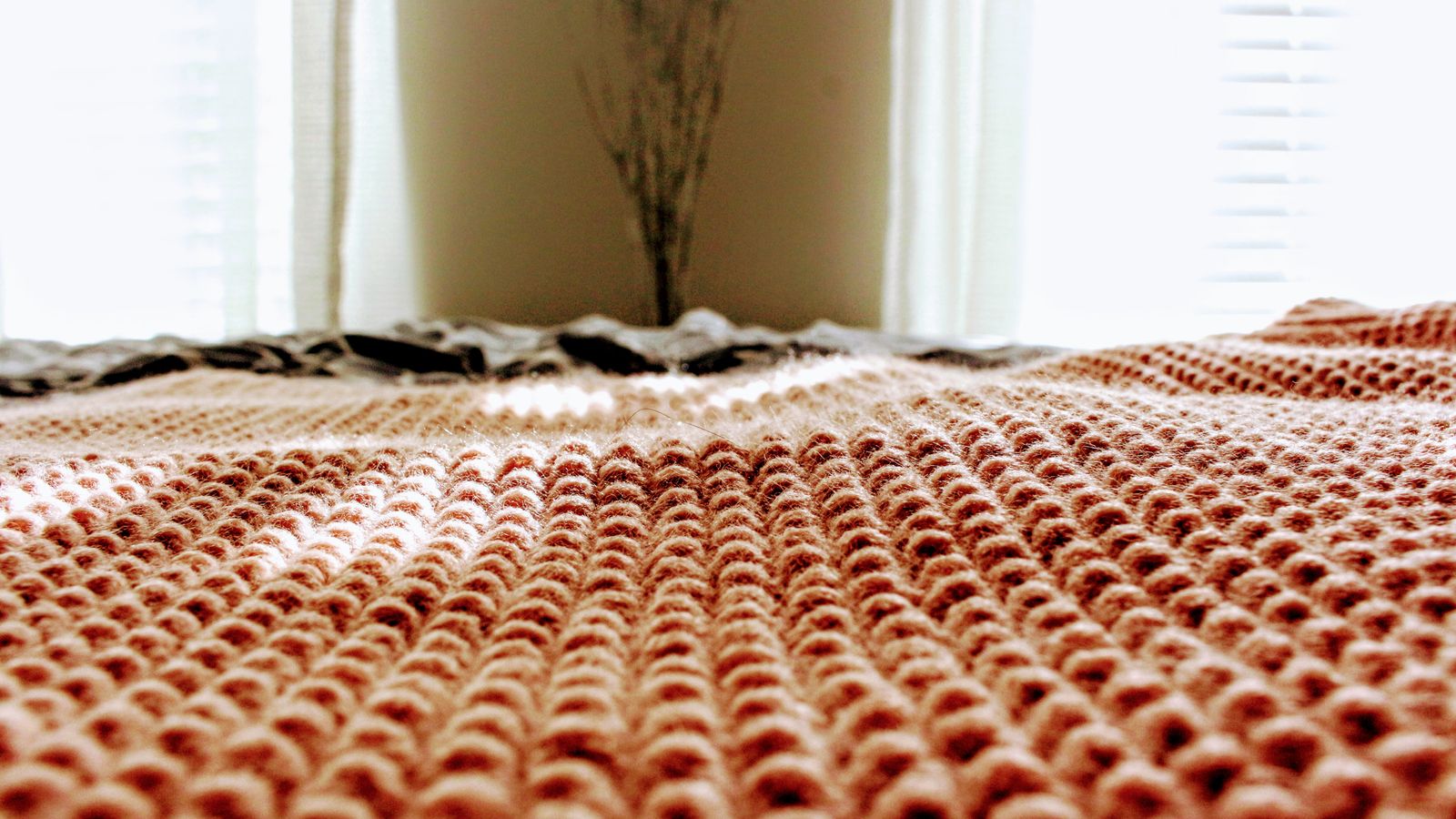
What You’ll Need Before You Start
Before you buy anything, take stock of what a starter rotation kit actually requires. You don’t need a huge budget or a walk-in closet – just a few key pieces and a plan for where they’ll live.
- A blanket ladder (wall-leaning or freestanding, sized to your bedroom wall space)
- One set of Supima cotton sheets in your mattress size (flat sheet, fitted sheet, pillowcases)
- One wool blanket sized to drape over the mattress with overhang on both sides
- A tape measure for wall space and mattress depth
- A soft-bristle brush or lint roller for wool blanket upkeep
- Optional: a second lightweight sheet set for warm-weather rotation
Having these on hand before you start assembling the kit keeps the process quick and prevents mismatched purchases later.
Step 1: Measure Your Bedroom Wall and Mattress
- Measure the height of the wall space where you plan to lean the blanket ladder – most ladders range from about 65 to 72 inches tall, so confirm your ceiling clearance.
- Check the floor footprint needed; a five-rung ladder typically needs 20 to 24 inches of width to sit stable against the wall.
- Measure your mattress depth (including any topper) so your sheet pocket depth matches – deep mattresses need deep-pocket sheets, and a mismatch is the most common sheet-buying mistake.
- Measure the mattress length and width to confirm your wool blanket will drape with enough overhang on both sides, typically 10 to 15 inches per side for a lived-in, layered look.
Step 2: Choose and Set Up the Blanket Ladder
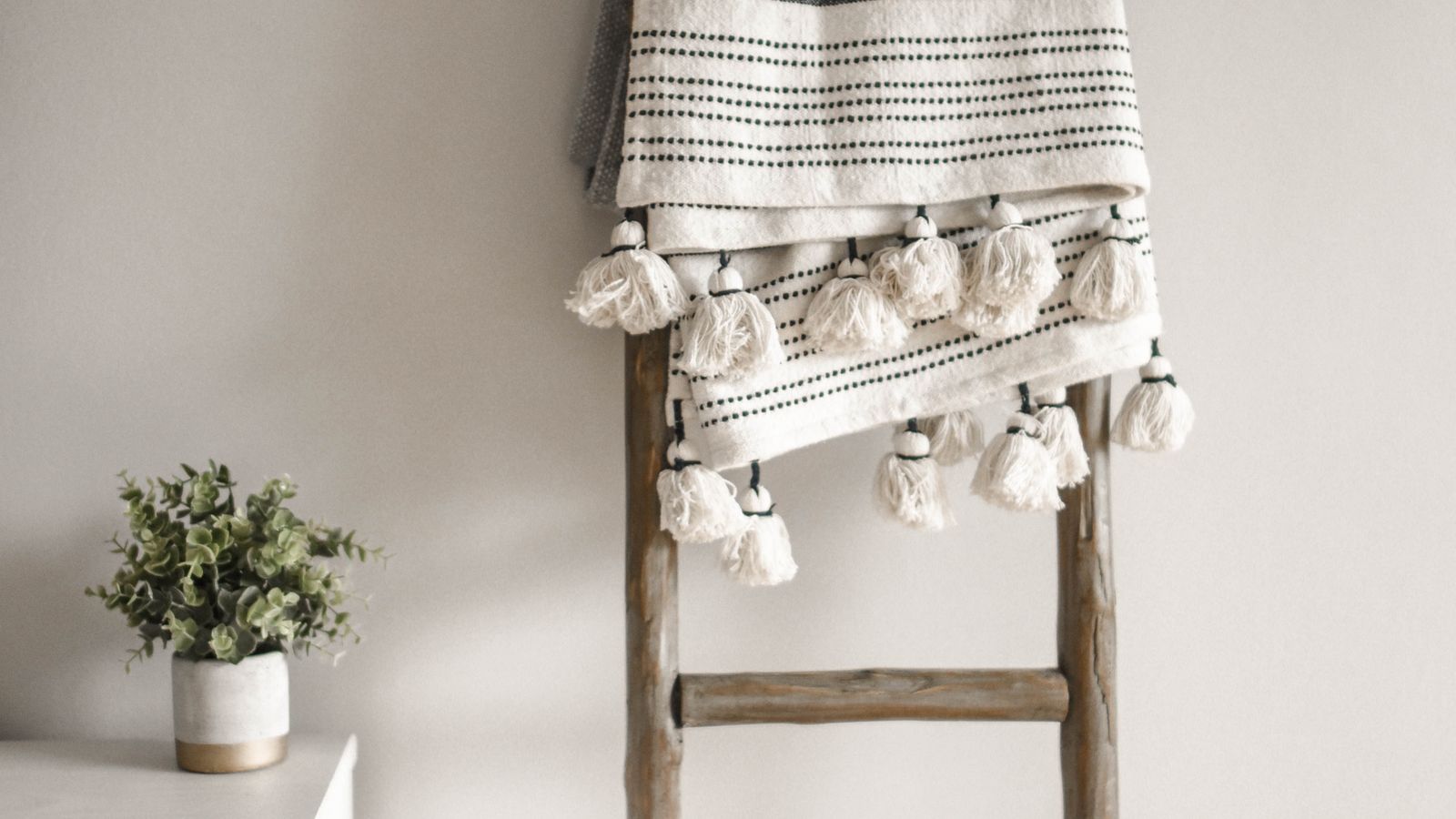
The blanket ladder is the organizational backbone of your rotation kit. Instead of stacking extra linens in a closet where they get forgotten, a ladder keeps two or three folded blankets in view and within reach.
- Pick a ladder style that matches your room – wood ladders suit warm, traditional bedrooms, while metal frames fit modern spaces.
- Lean the ladder against a stud or solid wall section; most ladders are freestanding but benefit from being braced against something solid so they don’t tip.
- Test the balance by gently pushing the top rung forward – it should stay put, not slide.
- Load the bottom rung with your heaviest piece (the wool blanket) and reserve the upper rungs for lighter throws or a folded extra sheet set.
For a closer look at styles and sizing before you buy, browse this roundup of Blanket Ladders to compare finishes and rung capacity.
Step 3: Fit and Install the Supima Cotton Sheets
Supima cotton is a premium American-grown cotton known for longer fibers, which translate into a smoother hand-feel and better durability through repeated washing – a meaningful advantage in a rotation kit you’ll be laundering often.
- Unbox the sheets and give them a first wash before use; this removes sizing finish and softens the fabric.
- Fit the elasticized corners of the fitted sheet over the mattress corners first, working diagonally to keep tension even.
- Smooth the flat sheet over the top, tucking the foot end with hospital corners if you prefer a tighter finish.
- Slip pillowcases on last, checking that the opening faces away from the room entrance for a tidy look.
If you want to compare thread counts and weave options before committing to a set, see this guide to supima cotton sheets for picks across different budgets.
Step 4: Layer the Wool Blanket
Wool is naturally temperature-regulating – it insulates in cold months and wicks moisture better than many synthetic fills, which is why it earns a permanent spot in a rotation kit rather than being seasonal-only in most climates.
- Fold the wool blanket in thirds lengthwise before draping it across the foot of the bed, or lay it flat under the top sheet for full-bed warmth in colder months.
- Check overhang on both sides is even, adjusting until the drape looks intentional rather than lopsided.
- Rotate the blanket to the ladder during warmer weeks and swap in a lighter cotton throw instead.
For sizing and weave comparisons, this list of the best wool blankets breaks down weight options from lightweight to heavyweight.

Step 5: Set a Rotation Schedule
A rotation kit only works if you actually rotate. Aim to launder and swap your Supima cotton sheets weekly to every ten days, and rotate the wool blanket seasonally rather than washing it as often – wool holds up best with spot cleaning and occasional airing rather than frequent machine washing.
- Wash sheets in cool to warm water on a gentle cycle to protect the long-staple cotton fibers.
- Air out the wool blanket on the ladder between uses instead of always folding it straight into a drawer.
- Keep a simple sticky-note or phone reminder for wash day so the rotation doesn’t slip during busy weeks.
Safety Notes and Placement Tips
- Anchor freestanding ladders away from foot-traffic paths so they aren’t knocked over, especially in homes with kids or pets.
- Avoid overloading the top rung – most ladders are rated for lighter decorative pieces there, with heavier blankets best kept lower.
- Keep wool blankets away from direct heating vents when stored, since prolonged heat exposure can dry out and weaken the fibers over time.
- Store off-season sheets in breathable cotton storage bags rather than sealed plastic, which can trap moisture and promote mustiness.
Common Mistakes to Avoid
- Buying the wrong pocket depth. Always measure mattress-plus-topper depth before ordering Supima cotton sheets – a shallow-pocket set will pop off the corners within days.
- Overloading the blanket ladder. Stacking too many blankets on one rung strains the frame and looks cluttered rather than curated; two to three folded pieces per ladder is usually the sweet spot.
- Machine-washing wool too often. Frequent hot washes shrink and felt wool fibers – reserve full washing for a couple of times per season and spot-clean in between.
- Skipping the pre-wash on new cotton sheets. Manufacturing finishes can make new sheets feel stiffer than expected; one wash before first use solves this.
Budget Considerations
A starter rotation kit doesn’t need to be expensive to start out right. Prioritize the item you’ll touch every night – the sheet set – and treat the ladder and wool blanket as one-time purchases that last for years with proper care. Many shoppers find it more cost-effective to buy one excellent Supima cotton set and one quality wool blanket than several mediocre versions of each that wear out and need replacing within a year or two.
FAQ
How many sheet sets do I need for a basic rotation?
Two sets is the practical minimum – one on the bed and one in the wash or on standby – though three sets gives more breathing room if laundry day sometimes slips.
Can a blanket ladder hold a folded wool blanket long-term?
Yes, most blanket ladders are designed for exactly this – just distribute weight across rungs rather than stacking everything on one, and check the ladder’s stated weight capacity if you plan to store a heavier blanket long-term.
Is Supima cotton warmer or cooler than standard cotton sheets?
Supima cotton isn’t inherently warmer or cooler by fiber type alone – weave matters more. A percale weave in Supima cotton sleeps cooler, while a sateen weave feels slightly warmer and silkier against the skin.
Do I need a separate lightweight blanket for summer?
It’s optional but helpful. Many rotation kits pair the wool blanket for cold months with a lighter cotton throw for summer, both stored on the same ladder for easy seasonal swaps.
Final Thoughts
Building a bed linen rotation starter kit comes down to three deliberate choices: a blanket ladder that keeps extra layers organized and visible, Supima cotton sheets that hold up to frequent washing without losing softness, and a wool blanket that adapts across seasons. Set them up methodically – measure first, fit carefully, and establish a simple rotation schedule – and this small kit will carry your bedroom through every season without the clutter of an overstuffed linen closet.


