

A good waffle weave blanket earns its keep on the couch, at the foot of the bed, or folded over a chair for those chilly evenings. But like all textiles, it doesn’t last forever. The honeycomb-style texture that makes waffle weave so breathable and lightweight is also what makes it prone to certain kinds of wear over time. If you’ve had yours for a while and are wondering whether it’s still doing its job – or just taking up space – this guide breaks down realistic lifespans, the tell-tale signs of a blanket past its prime, and how to stretch the life of a new one.
What Is a Waffle Weave Blanket, Exactly?
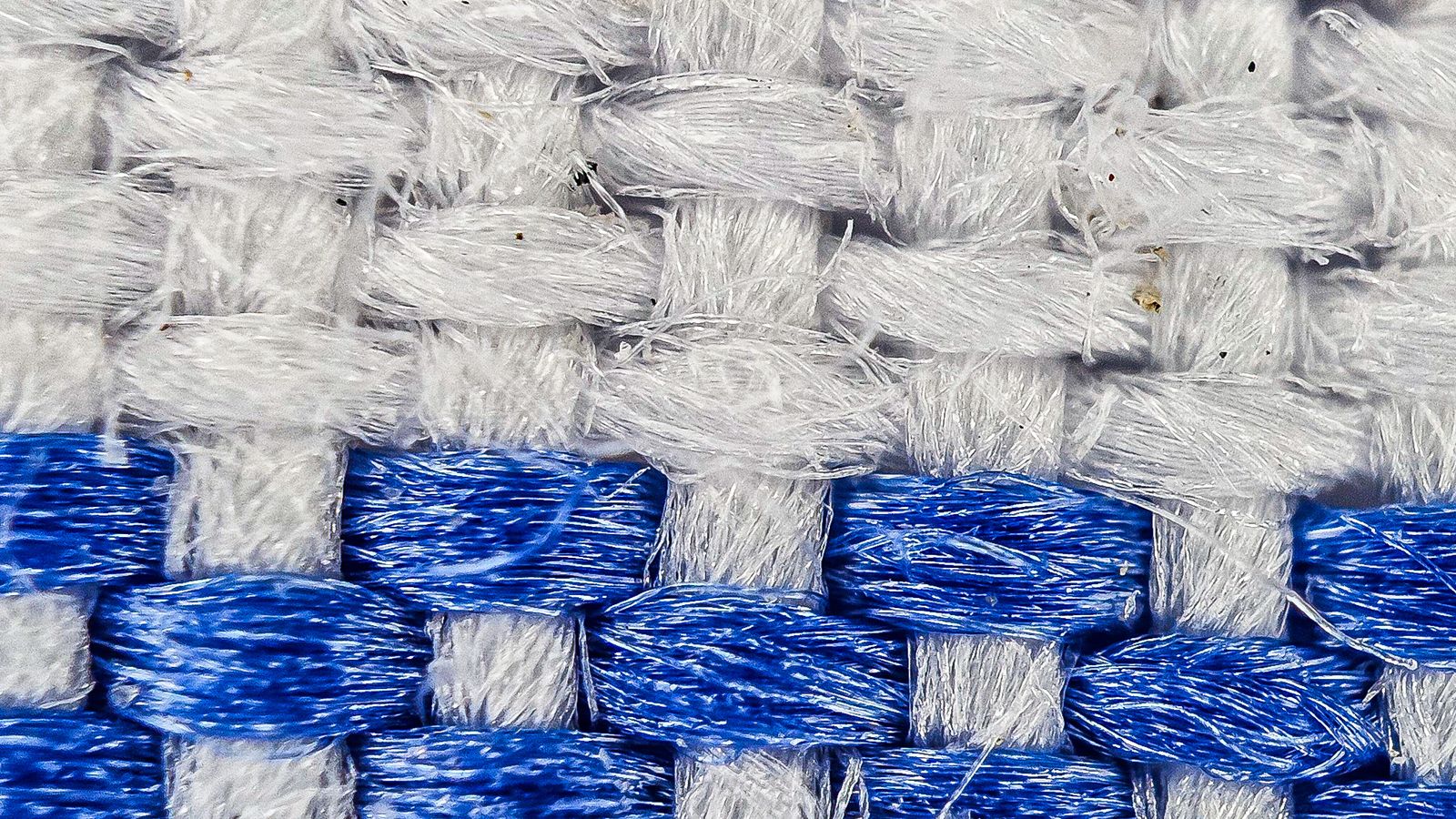
Waffle weave (sometimes called honeycomb weave) refers to the raised, grid-like pattern woven directly into the fabric rather than printed or embroidered onto it. This structural weave creates small pockets of air, which is why waffle blankets feel lighter than a fleece or sherpa throw of the same size but still trap warmth effectively. They’re usually made from cotton, cotton-blend, or occasionally a linen-cotton mix, and are popular as lightweight bedspreads, summer throws, or layering blankets in cooler months.
Because the weave itself provides the texture and structure, the blanket’s lifespan is closely tied to how well that weave holds up to washing, friction, and everyday handling.
Average Lifespan of a Waffle Weave Blanket
Most quality waffle weave blankets last somewhere between 3 and 6 years with regular use and proper care. That’s a fairly wide range, and where your blanket falls within it depends on a handful of factors:
- Fabric quality: Long-staple cotton or a tightly woven blend resists pilling and thinning far longer than cheaper, loosely woven cotton.
- Frequency of use: A blanket used nightly on a bed wears faster than one reserved for occasional couch naps or decorative layering.
- Washing habits: Frequent hot washes and high-heat drying break down cotton fibers much faster than gentle, cold-water care.
- Storage conditions: Blankets stored folded in a damp closet or exposed to direct sunlight for long periods degrade faster than those kept in a dry, dark space.
- Pets and kids: Claws, teeth, and general roughhousing shorten a blanket’s usable life considerably.
A budget waffle throw used daily might start showing real wear in as little as 18 months, while a well-made, gently used one can comfortably last closer to 7 or 8 years before it needs retiring.
Signs Your Waffle Weave Blanket Needs Replacing
Rather than watching a calendar, it’s more useful to watch the blanket itself. Here are the clearest indicators that it’s time to shop for a replacement.
1. The Weave Is Flattening or Losing Its Texture
The raised honeycomb pattern is the entire point of a waffle blanket – it’s what gives it that breathable, textured feel. Once the pockets flatten out and the surface starts feeling smooth and thin instead of dimensional, the blanket has lost most of its functional and aesthetic value.
2. Thinning, Sheer Patches, or Visible Holes
Hold the blanket up to a light source. If you can see distinct thin spots or actual light shining through certain patches, the fibers have worn down to the point of structural failure. Small snags can sometimes be repaired, but widespread thinning usually can’t be reversed.
3. Persistent Pilling That Won’t Shave Away
Some pilling is normal and can be managed with a fabric shaver. But if pilling returns almost immediately after shaving, or if the fabric feels rough and matted no matter how you wash it, the fibers themselves are breaking down rather than just tangling on the surface.
4. Fraying Edges or a Failing Border
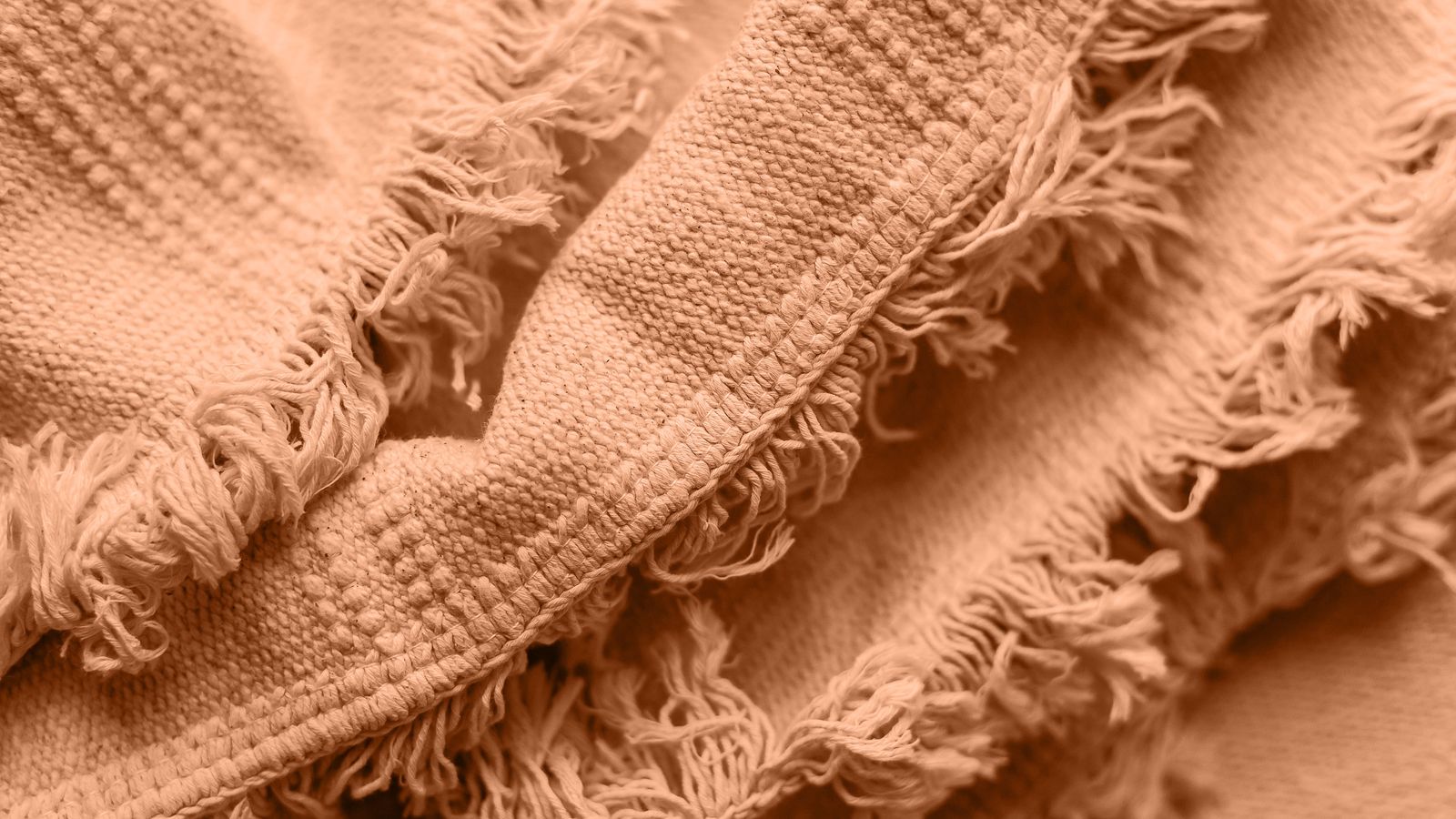
Waffle blankets often have a finished or bound edge. Once that edge starts unraveling significantly, the fraying tends to creep inward, and re-hemming a badly frayed blanket rarely restores it to its original look or strength.
5. It No Longer Feels Warm or Breathable
Because the weave’s air pockets are what regulate temperature, a blanket that has been washed and dried into a flat, dense mat won’t perform the way it used to. If it feels stiff, heavy, or oddly warm and clammy instead of light and breathable, that’s a functional failure, not just a cosmetic one.
6. Persistent Odors or Staining
Cotton waffle weave can hold onto odors or set-in stains over years of use, especially if it’s been through spills, pet accidents, or heavy sweat exposure. If washing no longer fully freshens it, that’s a reasonable point to consider retiring it.
How to Extend the Life of a Waffle Weave Blanket
If your current blanket is still in decent shape, a few care adjustments can meaningfully delay the need for replacement:
- Wash in cold or lukewarm water. Hot water accelerates fiber breakdown and can cause shrinkage that distorts the weave.
- Skip the high-heat dryer setting. Air-dry when possible, or use a low-heat tumble setting and remove promptly to prevent the honeycomb texture from flattening.
- Avoid fabric softener. It coats cotton fibers and can actually reduce the blanket’s breathability and softness over time – a gentle detergent is usually enough.
- Rotate blankets. If you own more than one, alternating use spreads out wear instead of concentrating it on a single piece.
- Store folded, not crushed. Keep it in a breathable cotton storage bag rather than a sealed plastic bin, which can trap moisture and encourage mildew.
- Address snags immediately. A small pulled thread left alone tends to unravel further; trim loose threads carefully rather than pulling on them.
When Repair Makes More Sense Than Replacement
Not every issue means starting from scratch. Minor snags, a single small hole, or a loose edge seam can often be hand-stitched or reinforced without much trouble. If the overall fabric still feels structurally sound and the wear is isolated to one small area, a simple repair can buy you another year or two of use. The math changes once wear is spread across the whole blanket – at that point, mending one spot just means the next thin patch is right around the corner.
Choosing a Replacement Waffle Weave Blanket
When you do decide it’s time to shop, a few details make a real difference in how long the new one will last:
- Weight and weave density: A tighter, denser weave generally resists flattening better than a loose, airy one, even if it feels slightly heavier off the shelf.
- Fiber content: 100% cotton or a cotton-linen blend tends to age more gracefully than cheaper cotton-polyester blends, which can pill faster.
- Stitched or finished edges: Look for reinforced hems rather than raw or simply overlocked edges, which fray sooner.
- Size for your use case: A throw-sized blanket for the couch wears differently than a full bedspread-sized one used nightly – buy for how you’ll actually use it.
For a closer look at well-reviewed options across sizes and price points, this roundup of Waffle Weave Blankets is a good place to compare current picks before you buy.

Waffle Weave vs. Other Lightweight Blankets
If you’re on the fence about replacing your waffle blanket with the same style, it’s worth knowing how it compares to other lightweight options. Waffle weave tends to be more breathable than fleece and holds its shape a bit better over time thanks to the structural weave, though it isn’t quite as plush. If warm-weather comfort is your main priority, it’s worth also browsing throw blankets for summer, which cover a range of lightweight fabrics beyond just waffle weave. And if the blanket in question doubles as a lightweight bedspread, pairing it with well-fitting bedding matters too – see this guide to the best deep pocket sheets for sheets that stay snug under a thinner top layer.
Common Mistakes That Shorten Lifespan
- Washing too hot, too often: Waffle weave doesn’t need washing after every single use – spot cleaning between full washes reduces cumulative fiber stress.
- Overloading the washing machine: Cramming a bulky blanket in with a full load increases friction and pilling.
- Ignoring the care label: Blends with polyester or specialty finishes may have different heat tolerances than pure cotton.
- Leaving it in direct sunlight: UV exposure fades color and weakens cotton fibers faster than most people expect.
- Using bleach on stains: Even diluted bleach can weaken cotton fibers around the treated area over repeated use.
Frequently Asked Questions
Can a waffle weave blanket be repaired instead of replaced?
Yes, for small, isolated issues like a single snag or a loose hem seam. Widespread thinning or pilling across the whole surface generally isn’t worth repairing.
Does washing frequency really affect how long it lasts?
Yes. Each wash cycle, especially in hot water or high heat, puts mechanical stress on cotton fibers. Washing less often, and more gently, meaningfully extends usable life.
Is a heavier waffle blanket more durable than a lightweight one?
Not always by weight alone – weave density and fiber quality matter more than sheer weight. A tightly woven lightweight blanket can outlast a loosely woven heavier one.
Why does my blanket feel less warm than when I bought it?
This usually means the raised waffle texture has flattened from repeated washing and drying, reducing the air pockets that trap warmth. It’s one of the clearest signs the blanket is nearing the end of its useful life.
How often should I replace a waffle weave blanket used daily?
With daily use, expect to reassess every 2 to 4 years, checking specifically for thinning, flattened texture, and edge fraying rather than replacing on a strict schedule.
Final Thoughts
A waffle weave blanket doesn’t fail all at once – it fades gradually through flattened texture, thinning patches, and a slow loss of warmth. Paying attention to those signs, rather than just how old the blanket is, gives you a much more accurate read on when it’s truly time to replace it. With a bit of gentle care, most quality waffle blankets can comfortably serve for several years, and when it is finally time to shop for a new one, focusing on weave density and fiber quality will help the next one last even longer.