Keeping a well-organized bed linen rotation is one of the simplest ways to extend the life of your sheets while making laundry day less overwhelming. If your household has invested in silky Tencel sheets or fitted sheets built specifically for adjustable beds, a smart rotation matters even more, since these materials and cuts behave differently from ordinary cotton sets. This guide walks you through building a rotation system that keeps your linens fresh, your closet organized, and your adjustable bed properly fitted at all times.

Why a Bed Linen Rotation Matters
A rotation system means you own enough sheet sets to alternate regularly, rather than washing and reusing the same set week after week. This reduces wear on any single set, gives fibers time to recover between washes, and ensures you always have a clean, dry option ready even if laundry day gets pushed back. For specialty fabrics like Tencel Sheets, spacing out washes also helps preserve the fabric’s natural drape and moisture-wicking finish, since frequent high-heat drying can gradually stiffen the fibers over time.
The Basic Math of a Rotation
Most households do well with two to three complete sheet sets per bed. Two sets allow a simple swap-and-wash cycle, while three sets give you a backup for unexpected spills, guests, or a laundry day that slips by a few days. If you sleep hot or share a bed with kids or pets, leaning toward three sets per bed reduces the pressure to do emergency laundry loads.
Step 1: Audit What You Already Own
- Pull every sheet set out of your linen closet and lay them out by bed size.
- Separate sets by fabric type: Tencel, cotton percale, sateen, jersey knit, and so on.
- Set aside any sheets designed specifically for adjustable beds, since these usually have deeper pockets and extra stretch panels to accommodate head and foot articulation.
- Note the condition of each set. Sheets with thinning fabric, pilling, or elastic that no longer grips the mattress corners are candidates for retirement or repurposing as drop cloths.
Step 2: Match Sheet Types to the Right Bed
Not every sheet set works equally well on every mattress. Standard fitted sheets can slip loose on an adjustable base because the mattress flexes at the head and foot, pulling fabric away from the corners. This is why sheets for adjustable beds are worth prioritizing for that specific mattress, since they are cut with extra give and deeper pockets that stay snug through repeated articulation. Reserve your softest, most breathable Tencel sets for beds that stay flat, where their smooth drape and cooling properties can be fully appreciated without the stress of constant bending.
Step 3: Build Your Rotation Schedule
Once your sets are sorted, assign each one a place in a simple weekly or biweekly cycle. A rotation does not need to be rigid, but having a general rhythm keeps things predictable.
- Set A on the bed. This is the set currently in use.
- Set B laundered and ready. Wash Set A on your normal schedule, roughly once a week, and keep Set B clean and folded in the closet as the immediate swap.
- Set C as backup. If you own a third set, keep it further back in the closet as a spare for spills, sickness, or guests, and cycle it into regular use every few weeks so it does not sit unused indefinitely.
For adjustable beds specifically, it helps to dedicate a labeled shelf or bin just for that mattress’s sheets, since the deep-pocket or stretch-panel design means those sets are not interchangeable with your other bedding.

Step 4: Store Sheets the Right Way
- Fold each fitted sheet, flat sheet, and pillowcase set together, or tuck the whole set inside one of its own pillowcases, so you always grab a matched trio instead of hunting for pieces.
- Store Tencel sheets away from direct sunlight and heat sources, since the fibers can lose their luster and softness with prolonged UV exposure.
- Keep adjustable-bed sheets separate from standard sets, ideally in their own labeled bin, to avoid confusion when you are half-awake and reaching for the wrong fitted sheet.
- Use breathable cotton storage bags or open shelving rather than sealed plastic bins for natural fibers like Tencel, which need some airflow to stay fresh between uses.
Step 5: Wash and Dry with the Fabric in Mind
Tencel sheets generally prefer a gentle cycle with cold or lukewarm water and a low-heat or line-dry finish, since excess heat can cause the fibers to lose their signature silky hand. Sheets for adjustable beds are often blended with a bit of spandex or elastane in the pocket panels to allow for flex, and high heat can weaken that stretch over time, so checking the care label before every wash is worth the extra thirty seconds. Washing similar fabrics together, rather than mixing heavy cotton towels with delicate Tencel sheets, also reduces pilling and abrasion.
Common Mistakes to Avoid
- Overloading the washer. Sheets need room to move freely in the drum to rinse out detergent completely; stuffing too many sets in at once leaves residue behind.
- Skipping the label. Adjustable-bed sheets and Tencel blends often have specific heat and cycle recommendations that differ from standard cotton.
- Using only one set. Without a rotation, a single sheet set wears out far faster and forces same-day laundry emergencies.
- Ignoring pocket depth. Using a standard flat-cut fitted sheet on an adjustable base almost always leads to a sheet popping loose at night.
- Storing sheets damp. Folding and shelving sheets before they are completely dry invites musty odors and mildew, especially in enclosed bins.
Extending Your Rotation with Complementary Bedding
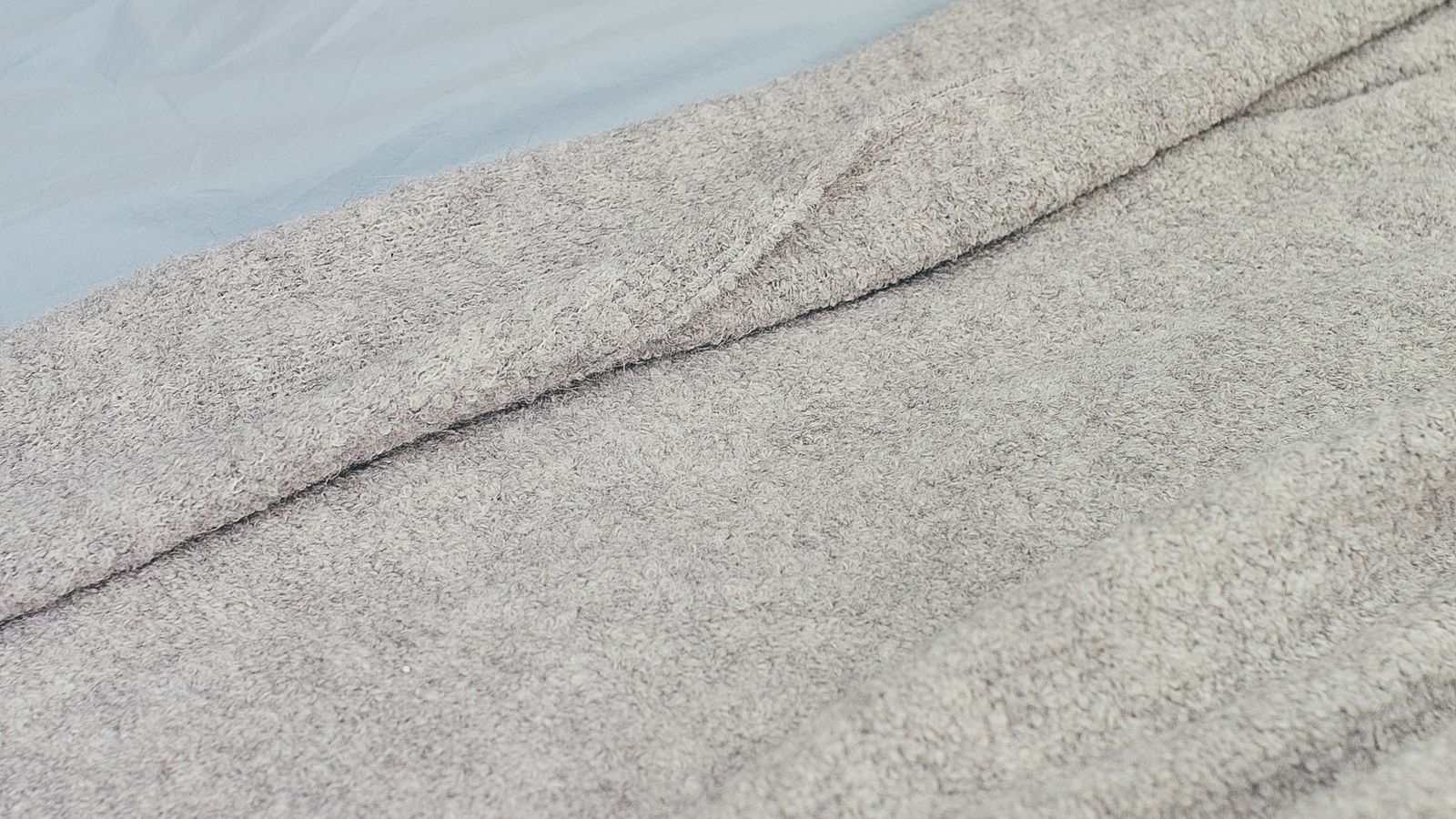
A rotation is not just about sheets. Layering in a lightweight throw or the best waffle weave blankets gives you seasonal flexibility without needing to swap the whole bed setup, and the textured weave pairs well with the smooth finish of Tencel sheets underneath. Keeping one or two blankets in your rotation alongside your sheet sets also means you are never scrambling for extra warmth on a cooler night.
Maintenance Checklist
- Wash the in-use set weekly, or more often for kids’ beds or during hot weather.
- Rotate the backup set into use at least once a month even if it was not needed for a spill or emergency.
- Inspect elastic and pockets on adjustable-bed sheets every few months for looseness.
- Refold and re-stack the linen closet seasonally so older sets rotate to the front.
- Replace any set once fabric thins, pills excessively, or elastic no longer holds snugly.
Frequently Asked Questions
How many sheet sets do I really need per bed?
Two sets is the minimum for a workable rotation, but three sets gives more breathing room, especially for adjustable beds where deep-pocket sheets can be harder to source quickly if one set is unexpectedly out of commission.
Can I mix Tencel sheets with sheets designed for adjustable beds?
You can, but it is best to reserve the adjustable-bed specific sets for that mattress alone, since their deeper pockets and stretch panels are built for articulation. Save your Tencel sets for flat beds where their drape and cooling feel are not compromised by constant bending.
How often should Tencel sheets be washed?
Weekly washing on a gentle, cool cycle is generally recommended, paired with low-heat or line drying to protect the fiber’s softness and sheen over time.
What is the easiest way to keep folded sets from getting mixed up?
Tuck the fitted sheet, flat sheet, and pillowcases into one pillowcase from the same set before shelving. This creates a single, grab-and-go bundle so pieces never get separated in the closet.
Final Thoughts
An organized bed linen rotation does more than tidy up your closet; it protects your investment in quality bedding and keeps your bed ready no matter what the week throws at you. By auditing what you own, matching each sheet type to the right mattress, and following a simple wash-and-swap cycle, you can keep both delicate Tencel sheets and specialty adjustable-bed sheets performing at their best for years to come.