

Off-road trail obstacles demand reliable extraction gear that operates cleanly when vehicle traction disappears completely. Modern vehicle recovery prioritizes operator distance to prevent severe injuries from sudden line tension failures. Equipping your vehicle with remote control recovery hardware allows you to navigate technical terrain while standing safely out of harm’s way.
In September 2026, selecting the proper extraction tool involves balancing gross vehicle weight, motor efficiency, and signal reliability. We evaluated 7 models from reputable manufacturers like VEVOR, X-BULL, OPENROAD and more to determine which setups handle severe trail conditions. For more automotive preparation advice, explore our practical guides collection before heading out.
Choosing the right gear prevents expensive vehicle damage and ensures consistent extraction capability across various terrain types. Many buyers struggle with matching vehicle weight ratings or evaluating weather sealing on wireless transmitters. This comprehensive guide breaks down the core mechanical standards so you can make an informed investment.
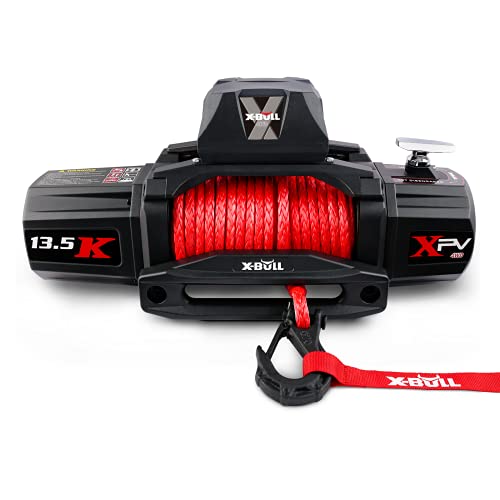


Pulling Capacity and Gross Vehicle Weight Calculations
A recovery unit must possess sufficient mechanical pulling force to overcome both vehicle weight and ground resistance. The universal baseline calculation requires multiplying your gross vehicle weight rating by a factor of 1.5. This additional margin accounts for the heavy drag created by thick mud, deep sand, or steep incline angles.
When reviewing product specifications, pay attention to the rated line pull on the first layer of the drum. As the line spools onto subsequent layers, the effective pulling capacity drops by roughly 10 percent per layer. A unit rated for 12000 pounds will only deliver maximum power when the line is nearly fully extended.
Always inspect your vehicle door placard to find the true gross vehicle weight including aftermarket armor, tools, and passengers. If your fully loaded rig weighs 6000 pounds, target a recovery capacity of at least 9000 to 10000 pounds. Choosing a unit with insufficient capacity causes premature motor failure and dangerous mechanical stalling under load.
Wireless Remote Range and Signal Latency
The primary benefit of a wireless handheld transmitter is keeping the operator outside the direct danger zone of a tensioned line. Effective systems offer a stable operating range between 50 and 100 feet without intermittent signal drops. Premium controllers maintain connectivity through thick foliage, vehicle body panels, and harsh weather conditions.
Signal latency represents the momentary delay between releasing the button and the motor stopping its rotation. High-quality wireless modules exhibit instantaneous shutoff response to prevent dangerous over-spooling or excessive line tension. Cheaper transmitters often suffer from input lag, which can damage the fairlead or snap rigging hardware.
Look for transmitters that operate on dedicated 2.4 GHz radio frequencies to avoid trail interference from other units. Always verify whether the transmitter includes an automatic power switch to prevent battery depletion in your storage pouch. Having responsive controls ensures precise vehicle positioning during delicate rock crawling extractions.
Synthetic Line vs Steel Cable Durability
Synthetic lines have revolutionized recovery operations due to their lightweight design and superior safety characteristics. Unlike traditional steel cables, a synthetic rope stores minimal kinetic energy when placed under high tension. If a synthetic line fails, it drops to the ground rather than whipping through the air with destructive force.
Modern synthetic lines utilize 12 strand high molecular weight polyethylene fibers that resist internal friction and moisture absorption. However, synthetic material remains vulnerable to ultraviolet radiation degradation and abrasive grit abrasion over prolonged trail exposure. Steel cables tolerate rough rock dragging better but introduce significant weight penalties and dangerous handling burrs.
For most recreational trail vehicles, synthetic lines measuring 3/8 inch in diameter provide the ideal strength balance. Ensure your rope includes a protective heat sleeve on the inner drum layers to prevent brake heat transfer. Clean your synthetic line regularly with fresh water to wash away embedded abrasive silt particles.
Motor Horsepower and Power Delivery
Electric recovery motors are generally categorized as series wound motors or permanent magnet configurations. Series wound motors deliver superior torque output and sustain prolonged recovery cycles without experiencing rapid heat buildup. Permanent magnet motors are lighter and draw less resting current, making them excellent choices for compact ATVs and lightweight utility applications.
Compare motor power ratings measured in horsepower or kilowatts alongside electrical current draw under maximum rated loads. A motor rated above 5.5 horsepower provides rapid line recovery speeds while maintaining steady pulling torque. High amperage draws require a robust vehicle battery and alternator setup to prevent total electrical system brownouts.
Check the duty cycle limitations recommended by the manufacturer to avoid thermal overload during heavy recoveries. Series wound designs handle heavy trucks efficiently, whereas smaller utility platforms benefit from efficient permanent magnet designs. Plan short rest periods during lengthy pulls to allow the motor housing to dissipate excess heat.
Planetary Gear Reduction Ratios
The gear reduction system multiplies motor torque into massive linear pulling force through several internal gear stages. Three stage planetary gear trains represent the industry benchmark for durability, compact packaging, and smooth rotational engagement. They distribute mechanical stress evenly across multiple contact points to reduce gear tooth shearing risks.
Gear ratios typically range from 138 to 1 for smaller utility units up to 265 to 1 for heavy extraction rigs. A higher numerical ratio delivers greater low end torque and vehicle holding power at the cost of line retrieval speed. Lower ratios provide faster spooling when clearing slack line but require more motor electrical input.
Evaluate your primary vehicle usage to determine the ideal balance between speed and pulling power. A 265 to 1 planetary gear system ensures maximum control when maneuvering heavy rigs over difficult rock shelves. Smooth free spool clutch levers are essential for manually stripping line quickly toward an anchor point.
| Capacity Class | Recommended Gear Ratio | Motor Horsepower | Primary Vehicle Application |
|---|---|---|---|
| 3,000 lbs | 138:1 to 150:1 | 1.0 – 1.5 HP | ATVs, UTVs, and Lightweight Utility Trailers |
| 6,000 lbs | 200:1 to 220:1 | 1.3 – 2.5 HP | Side-by-Sides, Small Boats, and Light 4x4s |
| 10,000 – 13,500 lbs | 260:1 to 270:1 | 5.5 – 6.6 HP | Full-Size Trucks, Jeeps, and Overland Rigs |
Weatherproofing and Ingress Protection Ratings
Trail recovery equipment operates in severe conditions including river crossings, rainstorms, and thick mud holes. Electrical components require robust physical sealing to prevent internal corrosion and dangerous short circuits. Ingress protection ratings provide a verified measurement of how well a unit resists moisture and fine dust particles.
An IP67 rating ensures protection against dust ingress and temporary submersion in water up to one meter deep. Units with upgraded IP68 ratings feature continuous submersion protection backed by heavy rubber O-ring gaskets. Lower ratings like IP55 resist light water spraying but should not be submerged during deep trail wading.
Ensure that both the mechanical gearbox and the wireless receiver module carry certified waterproof ratings. Salt water exposure and trail road grime accelerate corrosion on unsealed electrical contacts and clutch assemblies. Proper weatherproofing guarantees reliable operation when you need extraction in miserable trail conditions.
Solenoid Relay Amperage and Heat Resistance
The contactor solenoid acts as the central electrical gateway routing high current battery power into the drive motor. Substandard solenoids can weld their internal contacts shut under sustained high amperage loads, causing dangerous runaway spooling. Heavy duty 500 amp sealed solenoids provide thermal stability and prevent electrical contact failure.
Examine the thermal insulation properties and housing construction of the control pack assembly. High quality control boxes utilize thick composite housings that resist vibration damage and isolate internal circuits from engine heat. Properly sized heavy gauge power cables reduce electrical resistance and prevent terminal melting under peak extraction loads.
Upgrading to a solid state contactor eliminates moving parts and extends total system reliability across thousands of cycles. For organizing your vehicle recovery gear and garage tools, review our storage gear comparison. Reliable electrical routing remains the unsung foundation of any safe recovery system.
Fairlead Construction and Friction Dissipation
The fairlead guides the recovery line onto the drum while managing severe angle friction during off-center pulls. Synthetic ropes mandate the use of smooth hawse fairleads machined from billet or aerospace grade aluminum. Roller fairleads with rotating steel cylinders are primarily reserved for traditional steel wire cables to prevent binding.
Inspect the radius and surface finish of an aluminum hawse fairlead to ensure zero sharp machining edges exist. Microscopic burrs or rough anodized surfaces quickly abrade synthetic fibers under heavy angled pulling loads. High quality fairleads dissipate friction heat rapidly to protect the outer line fibers from melting.
Never run a new synthetic rope through a roller fairlead that was previously used with steel cable. Gouges left behind by steel wire will cut synthetic strands like razor blades during high load extractions. Inspect the fairlead surface after every major recovery trip to maintain a perfectly smooth entry channel.
Dual Control Systems and Receiver Pairing
Wireless transmitters offer unmatched operator convenience, but reliable systems must always provide a hardwired backup option. Dead transmitter batteries or localized radio frequency interference can leave you stranded without a mechanical backup. Dual control systems allow you to plug a wired remote directly into the control box immediately.
Examine the pairing protocol required to sync wireless remotes with the internal receiver unit. Straightforward pairing procedures require pressing the spool buttons simultaneously near the control box for several seconds. Complex or non-standard pairing protocols create frustrating delays when attempting trailside controller swaps.
Store spare transmitter batteries and the corded controller inside a dry recovery storage bag inside your vehicle cab. Having multiple wireless remotes allows a spotter to manage line operations while you steer the vehicle from inside. Redundant control mechanisms guarantee you retain full command of every recovery scenario.
Why You Should Trust Us
Our off-road analysis methodology relies on objective mechanical evaluations and strict specification auditing across top equipment brands. We examine gear ratios, motor current demands, waterproof certification ratings, and contactor amperage handling without manufacturer bias. By comparing verified engineering data against real trail recovery requirements, we provide practical purchase guidance.
We continuously monitor manufacturing changes, hardware updates, and user recovery reports across modern off-road vehicle platforms. Our evaluations prioritize long term durability, electrical safety protocols, and fail-safe control designs over temporary marketing claims. We deliver reliable information so you can choose extraction equipment with absolute confidence.
Final Thoughts
Selecting the right recovery setup ensures you can overcome trail obstacles without compromising personal safety or vehicle integrity. For mid-size trucks, modified Jeeps, and overland builds, our top recommendation is the OPENROAD 12000 lbs Winch with Synthetic Rope and 2. It delivers exceptional pulling strength, includes two wireless transmitters, and features corrosion resistant hardware built for harsh trail conditions.
When you need maximum extraction power for full-size pickups or heavy commercial recovery, the VEVOR 13,500 lb Electric offers incredible motor output. Its high horsepower motor and durable planetary gear train make short work of deep mud recoveries. For lightweight platforms and powersports trail rigs, the TYT 3000 lb ATV Winch with Wireless Remote provides compact, reliable pulling power.
No matter which model fits your vehicle, always practice safe rigging procedures and inspect your synthetic line regularly. Carrying proper recovery dampers, tree savers, and heavy duty shackles ensures your extraction system works smoothly. For more outdoor equipment and maintenance advice, explore our comprehensive how to category.
Frequently Asked Questions
What makes Best Winches with Wireless Remotes safer than corded models in 2026?
Wireless remotes allow the operator to stand far outside the physical snap zone of a tensioned recovery line. This distance protects you from flying debris or hardware failure while providing better vantage points for spotting trail obstacles. Corded remotes restrict your movement and keep you dangerously close to the front bumper during heavy pulls.
How do I calculate the proper pulling capacity for my truck?
Multiply your gross vehicle weight rating by at least 1.5 to determine the minimum recovery capacity needed. For example, a vehicle weighing 6000 pounds requires an extraction unit rated for at least 9000 pounds. This extra capacity accounts for the tremendous resistance created by deep mud, sand, and steep angles.
Can wireless remote signals suffer from trail interference?
Modern 2.4 GHz wireless remotes utilize digital pairing codes that prevent cross-talk from nearby recovery rigs. However, extreme physical obstructions, metal vehicle body panels, or weak transmitter batteries can occasionally degrade signal strength. Carrying a backup corded controller ensures you can complete a recovery if radio interference occurs.
What should I do if my wireless remote stops responding during a pull?
Immediately connect your corded backup remote to the control box to safely complete the extraction. Inspect the handheld transmitter batteries and verify that the remote has not timed out or powered off automatically. Check that the control box receiver harness remains securely plugged into the main contactor solenoid.
Why is synthetic line preferred over steel cable for wireless operations?
Synthetic rope stores significantly less kinetic energy under load, eliminating the dangerous whiplash hazard of snapping steel. It is also considerably lighter, floats on water, and will not develop painful metal burrs that slice your hands. When combined with a wireless controller, synthetic line offers the safest possible recovery environment.
How do I pair a replacement wireless transmitter to my unit?
Most modern control boxes require holding down the in and out buttons simultaneously within close proximity to the receiver. Maintain button pressure for approximately ten seconds until the indicator light flashes to confirm signal synchronization. Always refer to your specific manufacturer manual for exact pairing sequences.
Are recovery units with wireless remotes completely waterproof?
Units carrying IP67 or IP68 ratings feature sealed motor housings, sealed gearboxes, and waterproof control boxes. These ratings allow for temporary submersion during deep water crossings without damaging sensitive electronics. However, you should always inspect and dry electrical connections after severe off-road trips to prevent long term corrosion.
Do I need a dual battery setup to run high capacity recovery equipment?
A single high quality deep cycle battery with adequate cold cranking amps can handle intermittent recreational extractions. However, prolonged recovery pulls draw hundreds of amperes and can rapidly drain a standard starting battery. Installing a dual battery system provides dedicated reserve power for heavy overland and commercial pulling.
How often should I clean and inspect my synthetic recovery line?
Inspect your line after every trail recovery for signs of fraying, heat glazing, or strand abrasion. Wash the rope thoroughly with fresh water whenever it gets saturated with abrasive mud or fine sand particles. For additional home and gear maintenance guides, visit our home and living resource.
What is the purpose of placing a blanket or damper over the line?
A heavy recovery blanket or damper absorbs kinetic energy in the rare event of a line or hardware break. The weighted fabric forces the snapping line downward toward the ground rather than allowing it to whip dangerously. Always drape a damper over the middle third of your recovery line before applying pulling tension.



Write Your Review
No reviews yet. Be the first to share your experience!